

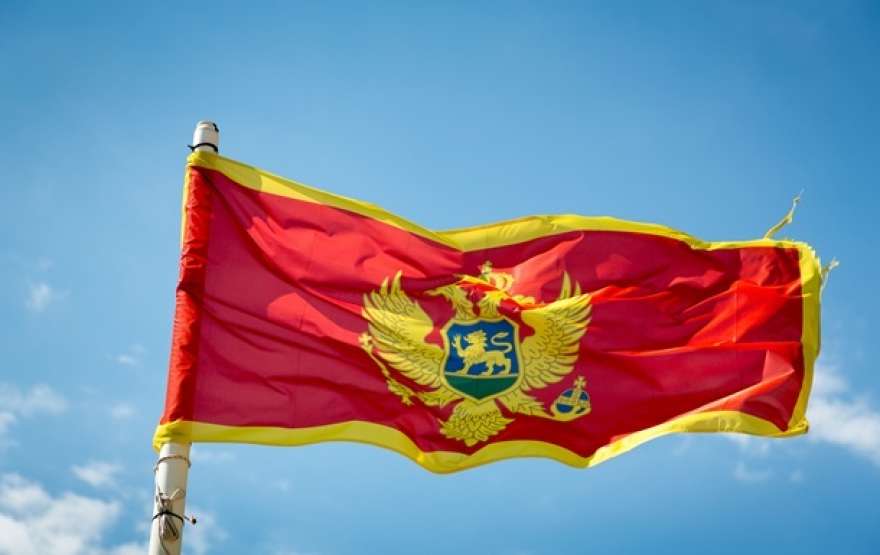

According to an analysis by the Serbian business portal Parametar, from 1 November 2026, Montenegro will introduce a visa requirement for citizens of Russia, Belarus and Turkey, which could have a significant impact on the country’s tourism, labour market, rental sector and property market. Parametar.rs
On 24 September, the Montenegrin government confirmed that it had initiated the procedure to terminate the existing visa-free travel agreements with these three countries. The decision was taken as part of efforts to bring the country’s visa policy into line with European Union rules. Back on 23 July, the government approved changes to the visa regime, which are due to come into force on 1 November.
Until 31 October, citizens of Russia and Belarus may enter Montenegro without a visa and stay there for up to 30 days. A similar visa-free regime applies to Turkish citizens. Once the new rules come into force, holders of ordinary passports will require a Montenegrin visa. With regard to Turkey, Podgorica plans to conclude a separate agreement, maintaining visa-free entry for holders of diplomatic, service and special passports.
However, there are significant exceptions. Citizens of these countries who hold a valid Schengen, US, UK or Irish visa, or a relevant residence permit, will still be able to enter Montenegro without a separate Montenegrin visa for up to 30 days.
The new regime also does not mean that a tourist visa is required for foreign nationals who already hold a valid temporary or permanent residence permit in Montenegro or a permit for temporary residence and work. According to data from the Montenegrin Ministry of the Interior, as reported by Parametar, as at the end of 2025, 20,793 Russian citizens and 13,506 Turkish citizens held a temporary or permanent residence permit. Together, these two communities account for approximately 5.5 per cent of the country’s population, which stands at around 624,000 people.
The Belarusian community is considerably smaller. According to the latest census, at the end of October 2023, 738 Belarusian citizens had permanent residence in Montenegro; there is no more recent data on Belarusians as yet.
Tourism could become one of the most vulnerable sectors. In 2025, Russian tourists accounted for 16.4 per cent of all overnight stays by foreign visitors in Montenegro, whilst tourists from Turkey accounted for a further 4.3 per cent. In the private accommodation segment, the Russian market’s share reached 22.1 per cent, whilst the Turkish market’s share stood at 4.9 per cent. Thus, these two countries accounted for more than a quarter of all overnight stays by foreign visitors in apartments, villas and other private accommodation.
According to Parametar’s assessment, the most significant impact is likely to be felt not amongst Russians and Turks who already reside legally in Montenegro, but amongst new tourists, property buyers, tenants and those considering the country as a place to relocate to. This is particularly important for Budva, Bar, Tivat, Kotor and Herceg Novi, where foreign demand is of significant importance to the rental, property, catering and services markets.
The changes may also affect the labour market. In 2025, 10,346 temporary residence and work permits were issued to Turkish nationals, and 7,429 to Russian nationals. Turkey has become the largest source of foreign labour in Montenegro. The introduction of an additional visa procedure for new workers could potentially delay their recruitment in the construction, hospitality and other sectors.
The visa reform is linked to Montenegro’s EU accession process. The country’s government notes that full alignment of visa policy is one of the conditions for closing Chapter 24 of the accession negotiations, ‘Justice, Freedom and Security’. Fulfilment of this condition has also paved the way for the country to receive around €4 million under the EU’s Growth Plan for the Western Balkans.
As part of a broader reform of Montenegro’s visa regime, visa requirements have also been extended to citizens of China and Saudi Arabia with effect from 1 November, as Podgorica’s previous policy towards these countries also did not comply with EU regulations. However, the government’s decision of 24 September to terminate international agreements directly concerns Russia, Belarus and Turkey.