


Belgium intends to join the international anti-ballistic missile coalition established by Ukraine and its European partners to develop a joint ballistic missile defence system as part of the FREYJA programme. The country is also considering the possibility of involving its defence industries in the project.
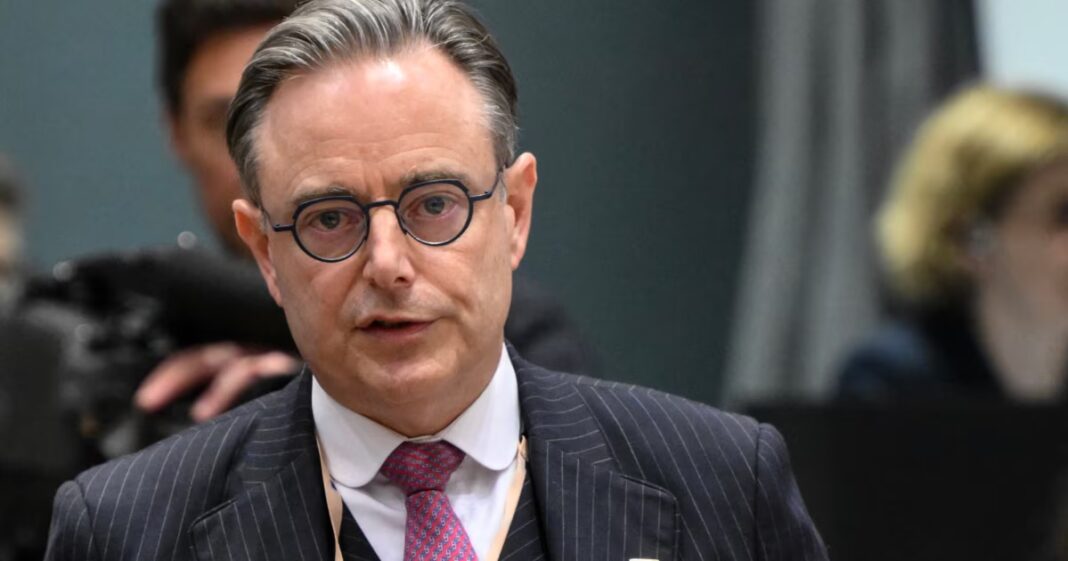
Belgian Prime Minister Bart De Wever made this statement on 21 October in the country’s parliament whilst answering MPs’ questions following the EU summit, according to Radio Free Europe’s correspondent in Brussels.
“Why aren’t we part of the anti-ballistic coalition? We would very much like to join it. I mentioned this to Zelenskyy, and he was open to the idea,” said the Belgian Prime Minister.
The anti-ballistic coalition was established on 13 July 2026 in Paris. It comprises Ukraine and nine European countries: France, Germany, the United Kingdom, Italy, Spain, the Netherlands, Denmark, Norway and Sweden. In September, Poland also announced its accession to the coalition.
The coalition’s aim is to develop a unified European ballistic missile defence system to complement existing air and missile defence capabilities.
One of the coalition’s main areas of focus is the FREYJA programme, which involves the joint development of ballistic missile interceptors. Ukraine is proposing to incorporate its interceptor missile technology into the future system, whilst European partners could contribute to the development of radars, sensors and other components. Defence companies, including the Ukrainian firm Fire Point, are being involved in the project.
Back on 14 October, Belgian Defence Minister Theo Franken informed parliament that the country was discussing with Ukraine its participation in the FREYJA programme, involving Belgian defence firms.
According to him, at the end of August, Ukraine requested a list of Belgian companies that could participate in the development and implementation of the system. In September, a Belgian delegation visited Kyiv, and the Ukrainian company Fire Point was due to establish contacts with potential industrial partners in Belgium.
However, the specific role of Belgian companies in the programme and the methods of its funding have not yet been determined.
In a speech on 21 October, De Wever also stated that, during a bilateral meeting with Zelenskyy, he had discussed further military aid to Ukraine, in particular the supply of F-16 fighter jets.
According to the Prime Minister, Belgium will endeavour to transfer ten fighter jets to Ukraine by the end of 2026 and continue deliveries in 2027 and subsequent years.
He noted that the F-16s could be particularly effective in intercepting new Russian jet-powered drones.