

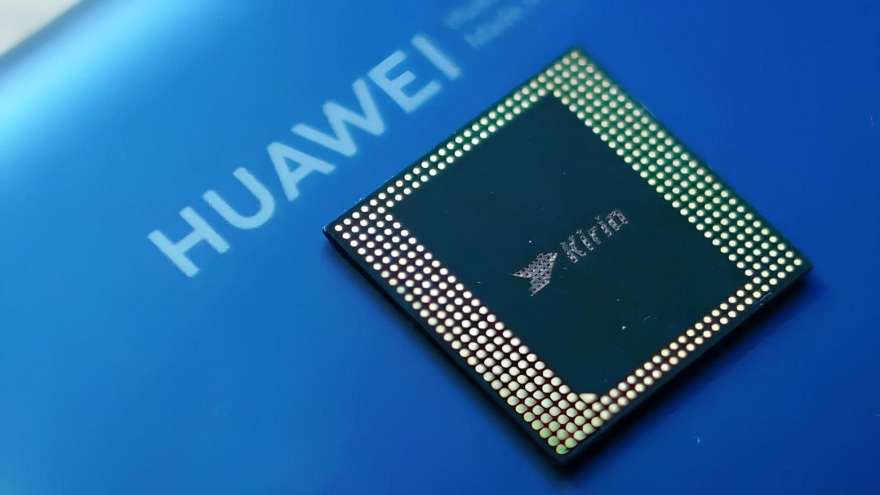

China’s Huawei Technologies said it has found a solution that will allow it to produce chips comparable to the advanced products of Intel Corp. by 2031. And other leading global companies.
Huawei expects the new approach will allow it to produce more advanced chips without using unique equipment that its competitors use and to which it has been blocked from access by U.S. authorities. It claims that by 2031 it will be able to produce high-performance chips with a transistor density equivalent to the 1.4 nanometre process.
Intel, Taiwan Semiconductor Manufacturing Company and Samsung Electronics plan to start mass production of such chips in the coming years using specialised equipment from Netherlands-based ASML.
If Huawei can really establish mass production of the most advanced chips, it will remove one of the key obstacles for China in its technological rivalry with the United States, The Wall Street Journal writes. In addition, Huawei’s chip production could potentially be cheaper than its rivals.
“Whether Huawei will gain a clear advantage by doing so remains to be seen, but it is at least an alternative development path – a breakthrough the company has managed to achieve in the face of supply chain challenges,” says Omida analyst Lian Jie Su in Singapore.
Huawei has been blacklisted by US authorities since 2019, and the company has been blocked from accessing advanced semiconductor technology since 2025.