

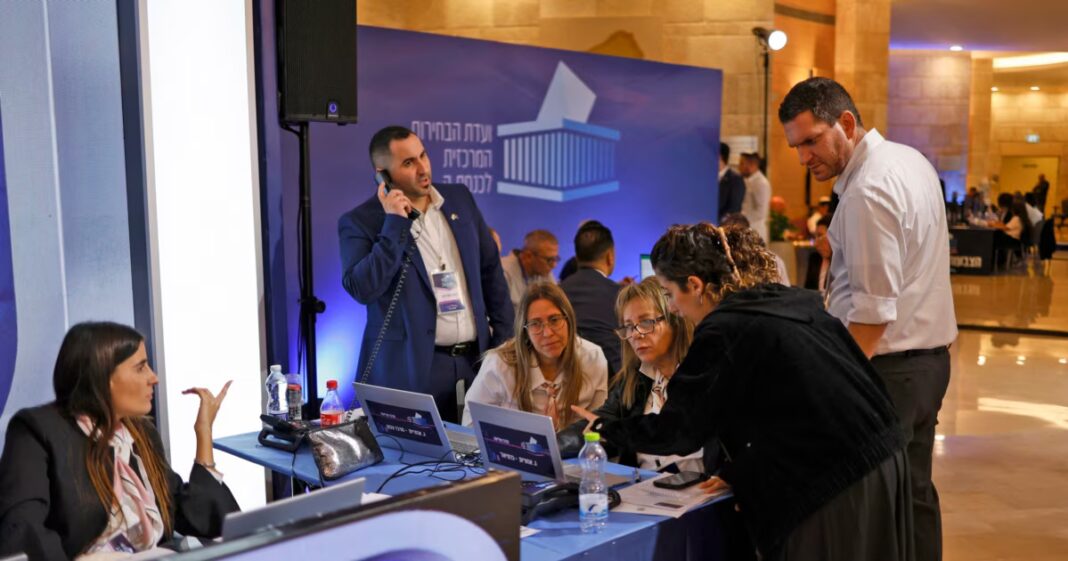

The Chair of Israel’s Central Elections Committee, Supreme Court Justice Noam Solberg, has asked the head of the General Security Service (Shin Bet), David Zini, to investigate possible foreign interference in the parliamentary elections on 27 October. According to international and Israeli media reports, the matter concerns suspicions that activities designed to influence the outcome of the vote were funded from abroad.
In his letter, Solberg noted that he was unable to assess the credibility of the information received, but considered it necessary to verify it in order to safeguard the electoral process. He demanded that the circumstances of the alleged interference be investigated and the findings presented within a week. No specific countries, organisations or parties were mentioned in the letter.
According to Israeli media reports, representatives of the ruling Likud party suspect that Qatar and Turkey may have funded organisations involved in mobilising Arab voters. Channel 12 political commentator Amit Segal reported suspicions that large sums had been transferred from Arab sources. Earlier, Channel 14 reported on several million shekels that were allegedly channelled towards bribing voters. There is as yet no public evidence to support these claims.
The suspicions arose against the backdrop of a sharp rise in turnout among Arab voters. According to preliminary figures, turnout on 27 October stood at 80.3 per cent, compared with 53.9 per cent in 2022. The Arab parties, the ‘United Arab List’ and ‘Ra’am’, together secured 19 seats in the Knesset, according to preliminary results. However, the increase in turnout in itself does not indicate any irregularities or foreign interference.
The Shabak and Israel’s Central Elections Committee had been cooperating on measures to prevent foreign influence even before the election. In July, the agencies discussed the threats of cyber-attacks and interference in the electoral process. The counting of votes is ongoing, and none of the main political blocs has yet secured a majority in parliament.
According to the latest figures from the Central Election Commission, Likud and its allies are set to win 53 seats in the Knesset. Opposition Zionist parties are set to win 48 seats, with a further 19 going to Arab parties. A total of 61 seats in the 120-seat parliament are required to form a government.