

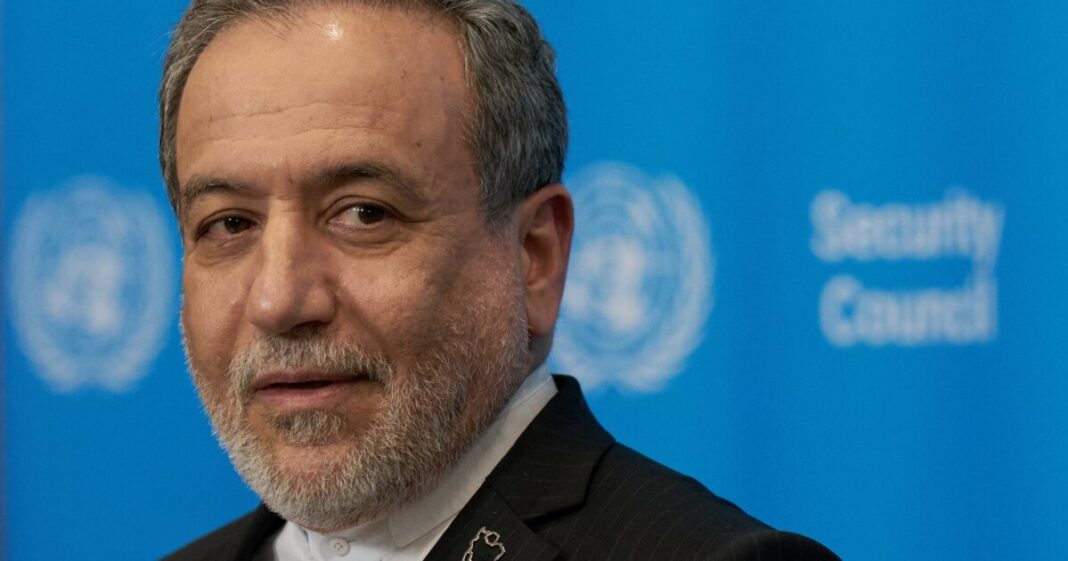

Iran has stated that it is discussing with mediators the possibility of implementing a plan to end the conflict in the Middle East and reopen the Strait of Hormuz. At the same time, Tehran has warned of ‘devastating’ economic consequences should Israel launch an attack on the country following the elections held in Israel this week.
On 28 October, Iran’s Foreign Minister Abbas Arakchi said that Tehran was “giving diplomacy a chance” by discussing a plan that envisages ending the war and reopening the key maritime route within seven days.
“We are in close and constant contact with the mediators and are considering ideas that would enable our seven-day plan to be implemented in even less than a week,” Arakchi said.
According to him, the Strait of Hormuz could be reopened within seven days provided the “necessary conditions” are met, including the establishment of a ceasefire across the entire Middle East. Iran is also demanding that its overseas assets be unfrozen, that sanctions on its oil sector be lifted, and that the US naval blockade be ended.
US President Donald Trump had previously rejected this plan, which was first proposed by Iran last month.
On 28 October, a senior Iranian official denied reports that Qatar had presented Tehran with a new peace proposal. This contradicts a statement by another official familiar with the progress of the negotiations.
The Iranian official told Reuters that Qatar had instead put forward ideas that were unacceptable to Tehran. He added that Iran would not make any concessions on the nuclear issue.
These statements came against a backdrop of mounting threats from the US and Israel to resume attacks on Iran following the lull that has prevailed since the war began in February.
Meanwhile, following the election results, Benjamin Netanyahu is likely to remain Israel’s prime minister. He will serve as head of government during coalition talks and, possibly, until new elections next year. An interim government usually faces certain restrictions; however, as experts point out, it retains the right to launch a new attack on Iran.
Arakchi warned against such strikes. “The devastating impact of any Israeli-provoked military adventure in the Persian Gulf region on international markets remains a serious concern for both gas suppliers and consumers,” he wrote on X.