


Tensions are once again mounting in global politics over the conflict between Russia and Ukraine. This time, the focus has shifted to energy issues, which the US and Ukraine have proposed resolving. However, as has become clear from recent statements, Russia is not prepared to make any compromises.
The spotlight has fallen on the Kremlin’s press secretary, Dmitry Peskov. In response to a question about the West’s proposals for an energy truce – which, according to analysts, could represent a significant step towards de-escalation – he stated that they were merely a ‘rhetorical move’. In doing so, he effectively rejected the initiative to halt attacks on energy infrastructure proposed by US President Donald Trump.
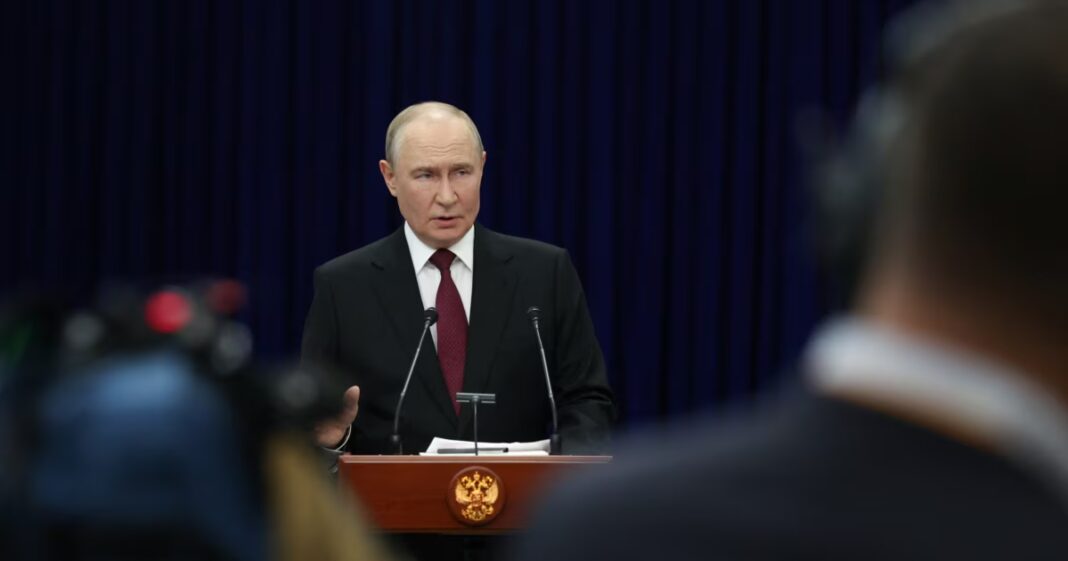
Against this backdrop, Vladimir Putin, the Russian leader, emphasised that his strategy remains unchanged. He expressed confidence that the Russian army would achieve all its objectives on the battlefield, which, in essence, mean Ukraine’s capitulation.
The US Institute for the Study of War (ISW) emphasises that such statements indicate that the Kremlin is not prepared to accept diplomatic proposals unless they meet its own ambitious demands. Russia steadfastly maintains that any negotiations are possible only on its own terms.
Meanwhile, on the other side of the Atlantic, US Secretary of State Marco Rubio expressed the view that Russia and Ukraine have an interest in a temporary halt to mutual strikes on energy infrastructure. However, despite this, following a meeting with Sergey Lavrov in New York at the UN General Assembly, it became clear that Russia has no plans to halt its actions as part of the so-called ‘special military operation’.
Interestingly, Ukrainian President Volodymyr Zelenskyy has also spoken of his willingness to discuss the terms of an energy truce. During talks with Donald Trump, he stated that he was open to this issue. However, as long as Russia has no intention of backing down from its hardline stance, peace initiatives remain merely on paper, biding their time.