

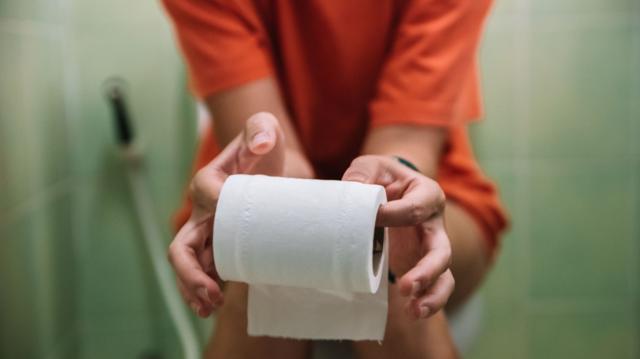

For some teenagers, going to the toilet becomes an unbearable ordeal. The reason is ketamine, which they take and which can cause serious damage to the bladder.
Some children describe this pain as follows: ‘It’s like peeing through a jellyfish.’
Doctors report cases of young patients who are constantly rushing to the toilet, experiencing sudden and painful urges, failing to reach the toilet in time, and sometimes noticing blood in their urine.
If ketamine is used over a long period, the damage can be so severe that it leads to urinary incontinence and even kidney failure.
Doctors at a specialist clinic in Liverpool, UK, which treats children and teenagers suffering from the effects of ketamine use, told the BBC about this.
The clinic opened in May last year, and more than 100 patients have already been referred there.
It is particularly worrying that some of them are children who started using the drug at the age of 12 or even earlier.
It feels as if broken glass is cutting inside you
Castor oil is an anaesthetic that reduces or numbs the body’s sensitivity. People who use it describe the sensation as a feeling of relaxation and detachment from what is happening around them.
But the pain-relieving effect can lead to a dangerous vicious circle.
Professor Rachel Isba, who heads a specialist clinic, told the BBC that some of her young patients experience such severe pain in their bladders that they describe it as follows:
‘You really feel it when you’re passing water. It hurts.’
Sometimes the children simply can’t make it to the toilet in time. And some start using ketamine to numb the pain.
‘Ketamine is a very effective painkiller. So they end up in a vicious circle, or what’s known as a ‘vicious cycle’, which makes the condition of their bladder even worse,’ explains Isba.
What’s more, it only takes a very small amount to feel the effect.
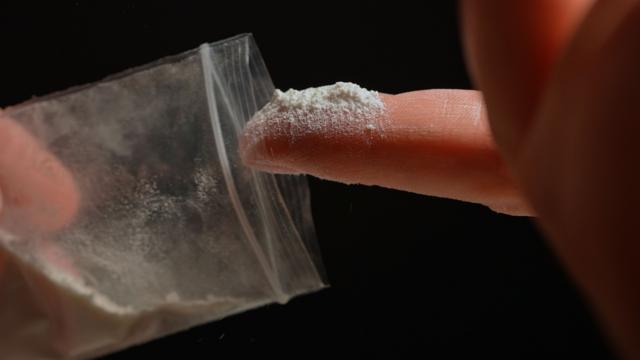
Ketamine helps them to numb or calm their thoughts. It really is very difficult. And, unfortunately, many of these children, for various reasons, are unable to attend lessons,” says Isba.
Some patients had conditions such as RDUG even before they started taking ketamine. Others had been taken into care by social services on multiple occasions. The problem may affect not only the bladder, but also the ureters and kidneys
. In cases of serious damage, surgery on the bladder or even its removal may be required.
However, it is difficult for doctors to determine to what extent this is specifically linked to the vitamin: many also use other drugs and alcohol at the same time.
The problem is growing rapidly
In 2023, doctors at a hospital in Liverpool treated just one young patient with a similar condition. By 2024, there were already nine such patients, and in 2025, medical staff reported a sharp rise in cases.
This was one of the reasons for opening a specialist clinic.
Currently, the clinic receives approximately one referral a week from GPs and A&E departments.
Of the first 60 patients, 43 were girls.
Many of these children had used more than just ketamine. They also told doctors about other drugs, alcohol and vapes.
According to the British Association of Urological Surgeons, bladder problems occur in around three in 10 people who regularly use ketamine.
Why it is harder for children to get help
Due to the risks associated with ketamine, there have been calls to reclassify it as a Class A drug – the same category as cocaine and heroin.
At the same time, doctors say that classifying the drug in this way does not solve the problem. It can be difficult for children to access specialist care.
Professor Isba notes that some teenagers, had they already turned 18, could be referred for inpatient treatment. However, there are not enough suitable facilities in Britain for patients under the age of 16.
“It seems unfair. Especially when it comes to those who are genuinely ready to stop using drugs,” she says.