

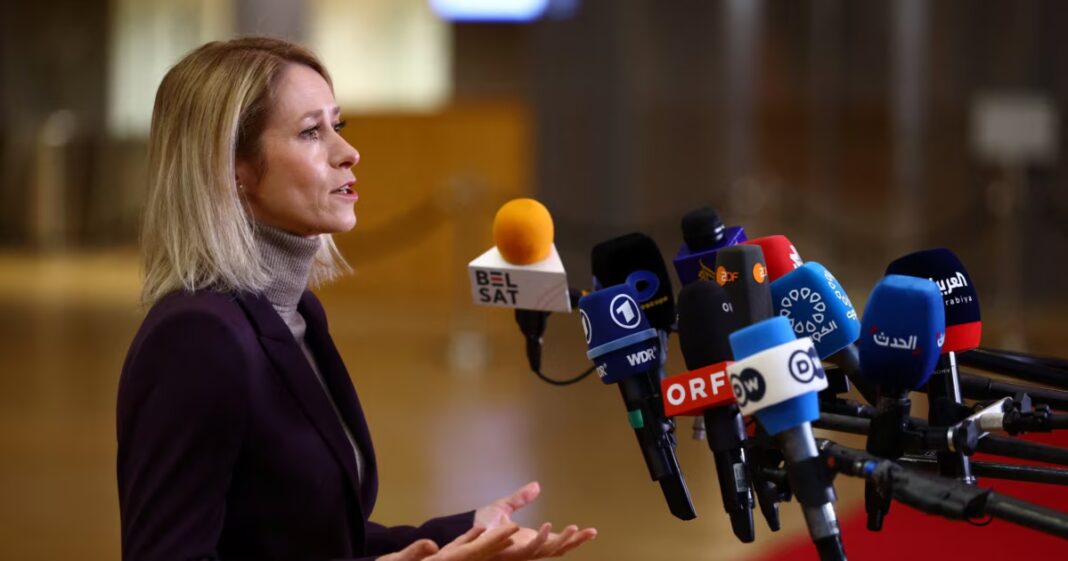

The European Union must press Russia for concessions in the negotiations, including the withdrawal of its troops from all countries where they are stationed, said the EU’s foreign policy chief, Kaja Kallas. According to her, negotiations must begin with a ceasefire, rather than with discussions about what can be offered to Moscow.
Kallas spoke ahead of a meeting of the EU Foreign Affairs Council in Brussels on 16 November. She called on European countries to put forward their own maximalist demands and pointed out that the EU has levers of pressure at its disposal — sanctions and frozen assets.
“When it comes to negotiations, we must always ask the negotiating team: ‘Did you demand anything in return? Have you set out your demands in response to their maximalist requests?’ We should not limit ourselves to simply asking, ‘What can we offer them?’” said Kallas. According to her, concessions should not be made without reciprocal steps, either on Ukraine or on issues of European security.
Responding to a question about Russian troops in the occupied territories of Georgia and Moldova, the EU’s foreign policy chief confirmed that their withdrawal is also among the European Union’s demands. “Among our maximum demands is the withdrawal of troops from all countries where Russia currently has troops stationed. We have the UN Charter, and we must abide by it,” she stated.
 SEE ALSO:
EU leaders have chosen a negotiator for peace in Ukraine and explained why there will be more than one
Kallas described Russia’s demands as absurd and compared them to the ultimatums Moscow issued prior to its full-scale invasion of Ukraine. According to her, Russia first presents a long list of demands, then adds new ones, and attempts to portray a willingness to compromise by dropping some of the conditions.
“In 2021, Russia put forward a list of demands that was a clear pretext for war. Now the Russians are making the same demands and adding new ones to them. This is also a clear pretext for continuing the war,” she said. Kallas noted that none of the countries in question had ever attacked Russia.
Kallas considers a ceasefire to be the primary objective of the negotiations. According to her, the killing of Ukrainians and attacks on civilian infrastructure must first cease, and only then can discussions on a peace agreement begin.
“If this is a pretext for continuing the war and causing as much destruction as possible, we must ensure that the negotiating team, whoever is on it, insists on a ceasefire,” she emphasised. Going forward, Kallas added, the negotiations must be aimed at preserving peace and preventing a new attack by Russia.
 SEE ALSO:
Europe’s involvement in the negotiations: Trump’s special envoys announced it, whilst Peskov claimed that this was not the case
Kallas also said she had heard US statements about involving Europeans in the next round of talks. In her view, it is now important to discuss the substance of future talks and to insist once again on a ceasefire.
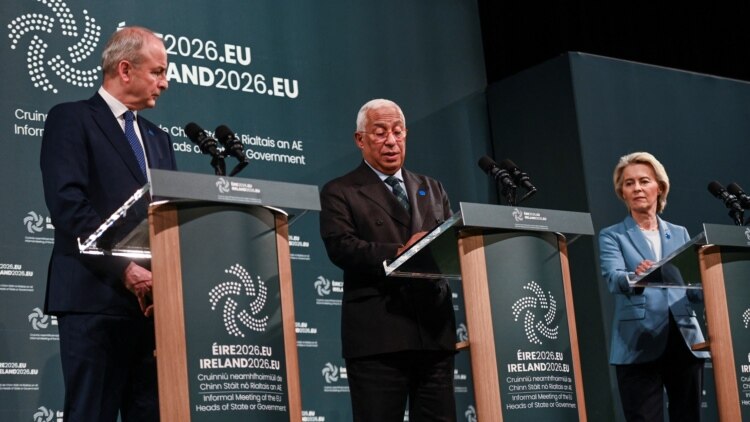
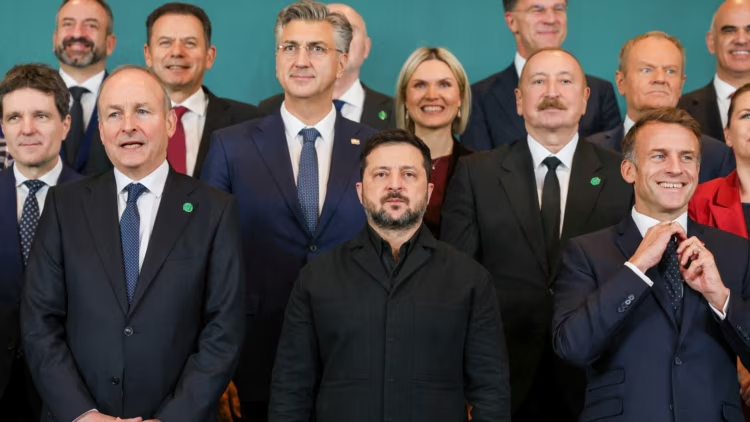
On 13 November, the leaders of the 27 EU countries, at an informal summit in Dublin, decided who would represent the European Union at the peace talks on Ukraine. The negotiating team will comprise representatives from the European Commission and the European Council, as well as five countries from the ‘Coalition of the Willing’: France, Germany, the UK, Italy and Poland. This format is known as the E5.
The President of the European Council, António Costa, stated that only Ukraine has the right to make decisions regarding its territory and sovereignty. The EU, he said, will play a central role in discussions on Ukraine’s European future, its reconstruction and prosperity. Security guarantees must be discussed within the framework of the ‘Coalition of the Willing’ in close coordination with NATO.
 SEE ALSO:
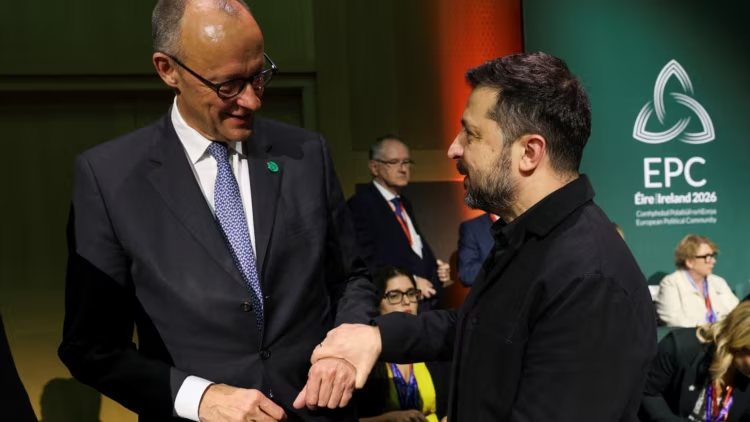
‘He is absolutely right’: European leaders on Mertz’s demand for funding for Ukraine
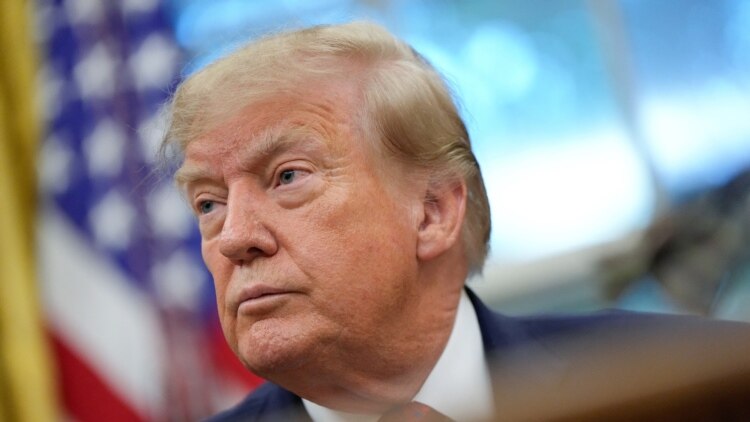 SEE ALSO:
‘A conversation amongst adults’. Trump, Putin and Xi prepare for a meeting: what will they discuss?
The original version of this article first appeared on Glob-News.com.