

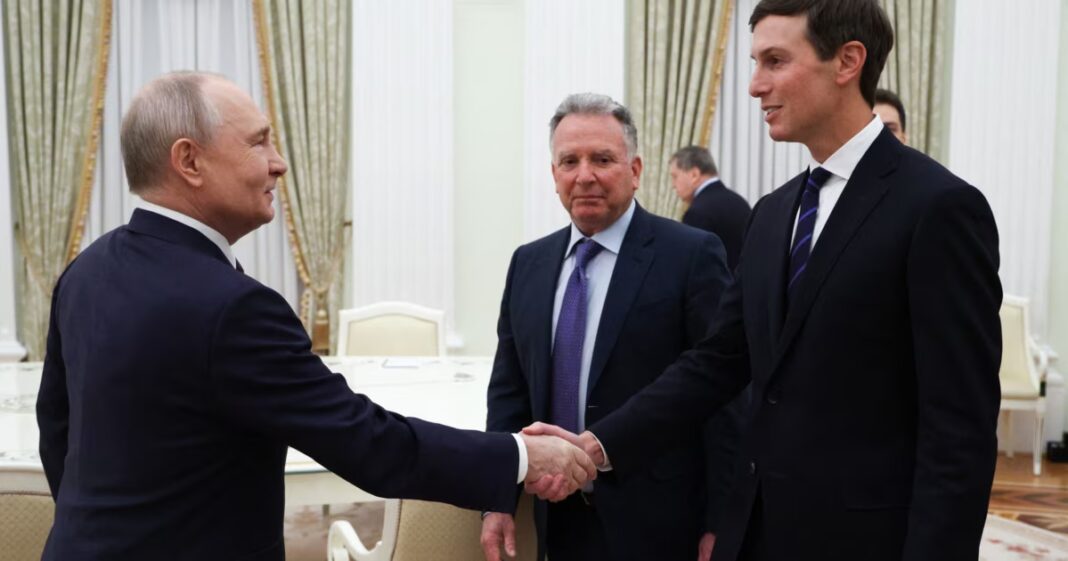

Following their meetings in Abu Dhabi, Russian President Vladimir Putin and Russian negotiators confirmed that Moscow has no intention of backing down from its initial demands on Ukraine. According to the US Institute for the Study of War (ISW), the Kremlin continues to insist on territorial concessions and changes to the European security architecture.
Talks between Ukraine, the US and Russia took place in Abu Dhabi on 10–11 November. The following day, Putin met in Moscow with US President Donald Trump’s envoys, Steve Whitcoff and Jared Kushner.
“Putin, as before, is unwilling to compromise on any of these demands,” the ISW report states. Analysts note that public statements by the Russian president and members of the negotiating team reflect Moscow’s official position and show that the Kremlin has no intention of backing down from the demands it made at the start of the war.
 SEE ALSO:
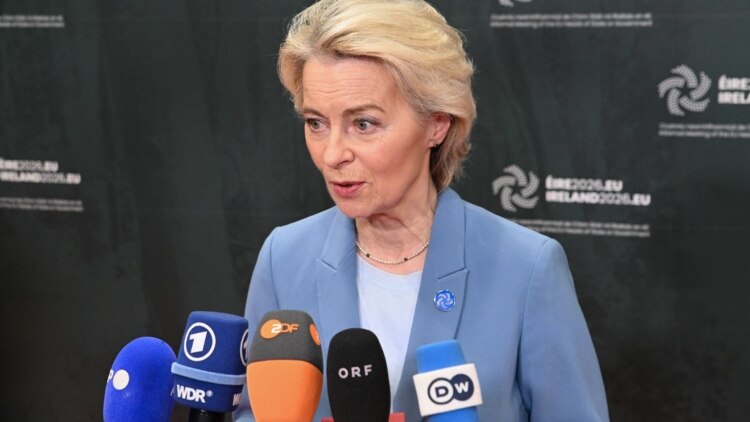
The EU is deciding who will speak with Russia on its behalf. A decision is expected within the next week or two
According to the ISW, Putin is rejecting proposals to establish a demilitarised zone in post-war Ukraine. Instead, he wants to retain the ability to station Russian troops along a potential new border, and is also demanding that parts of the Luhansk, Donetsk, Zaporizhzhia and Kherson regions not under Russian control be handed over to Russia.
The institute also notes that Putin is not prepared to cede territory in northern Ukraine which, according to the Kremlin, is occupied by Russian troops but lies outside the four regions that Russia has illegally declared annexed.
Moscow, as the ISW emphasises, is also opposed to effective Western security guarantees for Ukraine. On 12 November, Putin stated that the deployment of foreign troops on Ukrainian territory was “absolutely unacceptable” to Russia, described such forces as “legitimate targets” and warned that their presence would lead to an immediate resumption of the war.
 SEE ALSO:
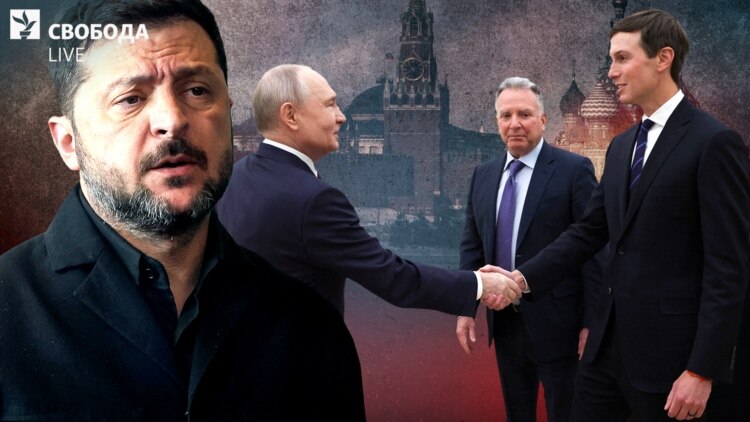
‘Shuttle diplomacy’ and pressure via Starlink. What did Kushner and Whitcroft bring back from the Kremlin?
At meetings in Abu Dhabi, Russian negotiators once again put forward the demands made of NATO back in 2021. These include halting the alliance’s eastward expansion and granting Russia the right to veto the deployment of military forces in countries that joined NATO after 1997.
The ISW links these demands to the Kremlin’s broader objectives. According to analysts, Putin launched a full-scale invasion of Ukraine in 2022 to subjugate and annex the country, as well as to weaken NATO as a functioning alliance, rather than because of any alleged threat from NATO. The Institute points out that the ultimatum issued by Putin to the Alliance in December 2021 remains the basis of Moscow’s demands on Europe. The ISW believes that the continuation of this line of action demonstrates the Kremlin’s lack of interest in a genuine compromise to end the war.
 SEE ALSO:
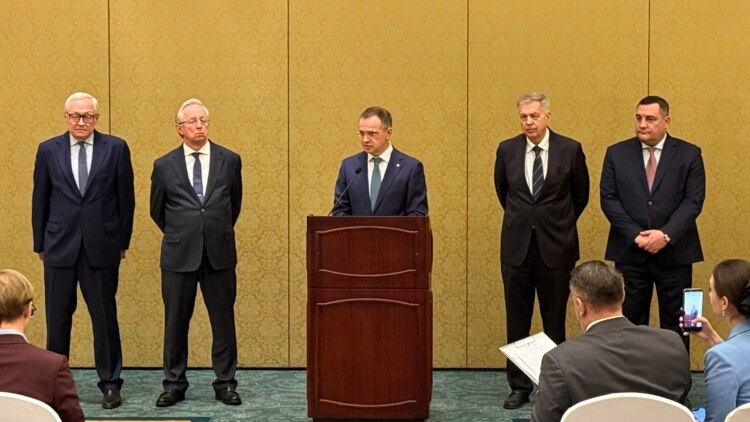
ISW on the Abu Dhabi talks: The Kremlin has ‘clearly and categorically’ set out Russia’s unchanging demands
The two-day talks concluded on 11 November against the backdrop of renewed efforts by the White House to break the deadlock in the largest and bloodiest land war in Europe since the Second World War.
Following the meetings, the head of the Ukrainian delegation, Rustem Umerov, stated that the parties “were able to set out their positions clearly, on which significant differences remain”. However, he added that there is scope to continue the negotiation process. A major prisoner exchange was also agreed upon during the meetings.
The previous exchange took place on 23 October: 261 military personnel and nine civilians returned to Ukraine from Russian captivity.
Earlier, the ISW stated that, following the meeting in Abu Dhabi, the Kremlin had clearly and categorically reaffirmed Moscow’s unchanging demands — including conditions which analysts characterise as a demand for Ukraine’s complete surrender and territorial concessions far beyond the Donbas.
The original version of this article first appeared on Glob-News.com.