

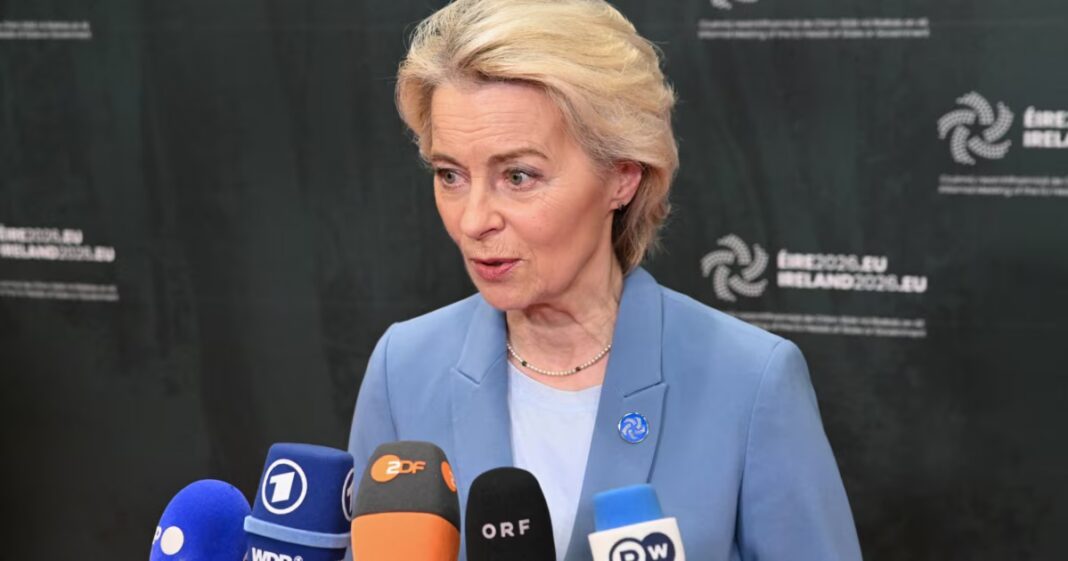

The European Union is deciding who will represent Europe at the forthcoming peace talks on Ukraine. Irish Prime Minister Micheál Martin has stated that a final decision is expected within the next week or two. European Commission President Ursula von der Leyen also welcomed European participation in the talks.
“Europe must be involved in the peace talks to protect our interests and to support Ukraine,” von der Leyen said ahead of an informal summit of EU leaders in Dublin. She also welcomed the prisoner exchange.
The day before, US Special Representative Jared Kushner reported that Vladimir Putin had agreed to Europe’s participation in the next round of talks. If this is confirmed, European representatives will, for the first time, be able to participate directly at the negotiating table, rather than discussing issues separately with Ukraine and the US.
“We cannot finalise this deal without the Europeans at the negotiating table. We told President Putin that we consider this to be very important… I think we have managed to achieve this — President Putin is prepared to give it a go,” Kushner said after a meeting with Ukrainian President Volodymyr Zelenskyy in Dublin. The US special envoys had travelled to Ireland from Moscow, where they had met with the Russian leader.
However, Russian presidential aide Yuri Ushakov did not explicitly confirm that the Kremlin had agreed to allow Europeans to join the talks. EU leaders had planned to discuss Europe’s possible participation and the candidates for representation on 13 November.
Martin said that various options were being considered. According to him, representation might not be limited to the European Union: the UK and Norway have also played an important role in supporting Ukraine, and the ‘coalition of the willing’ includes more countries than just EU members.
“I think Europe will now be represented at the negotiations. Today’s discussions will likely focus both on the substance and nature of the peace that Europe wishes to achieve — a sustainable peace — and on the question of exactly who will represent Europe,” said the Irish Prime Minister.
However, Martin emphasised that a common position must first be agreed upon. “The substance of any peace agreement is no less important than who will represent Europe… It is extremely important that this discussion takes place with the participation of Europeans and that everyone clearly understands the position. But the fundamental foundations of NATO’s architecture will not change,” he stated.
Martin does not expect the selection of a representative to be finalised at the informal summit in Dublin, but believes that a decision must be taken swiftly. The next round of talks, according to Zelenskyy, may take place in the United Arab Emirates or Switzerland.
 SEE ALSO:
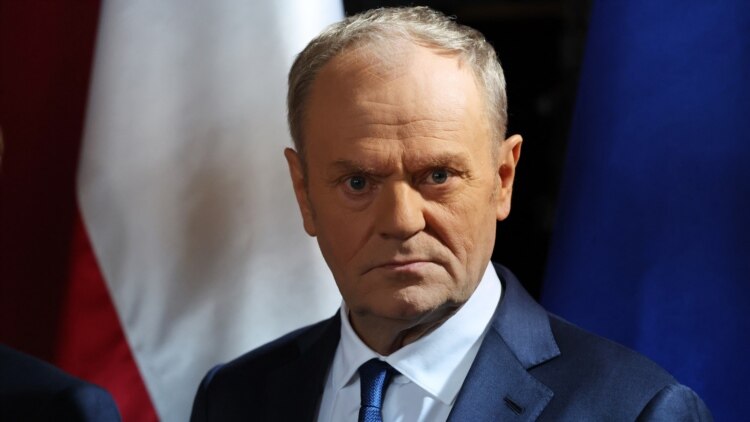
Polish Prime Minister rejects Russian demands for a new security architecture in Europe
Meanwhile, the EU is preparing new sanctions against Russia. von der Leyen confirmed that a proposal for the 22nd package of sanctions will be presented before the next European Council summit, scheduled for late November. By that time, a proposal on funding for Ukraine for the coming year will also be prepared. The country’s additional defence and budgetary expenditure needs are estimated at 70 billion euros.
 SEE ALSO:
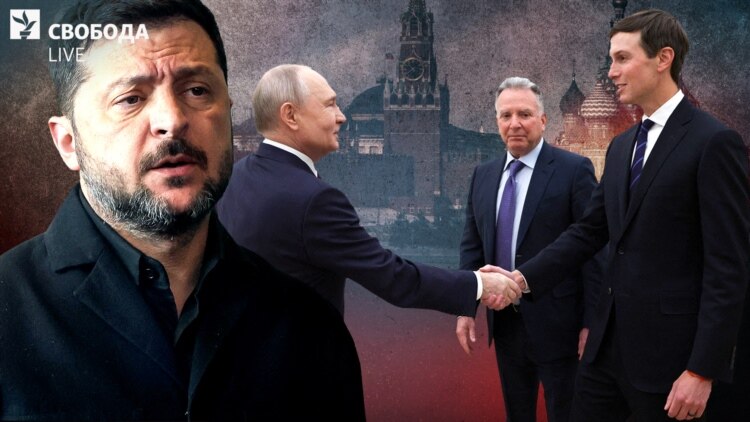
‘Shuttle diplomacy’ and pressure via Starlink. What did Kushner and Whitecoff bring back from the Kremlin?
 SEE ALSO:
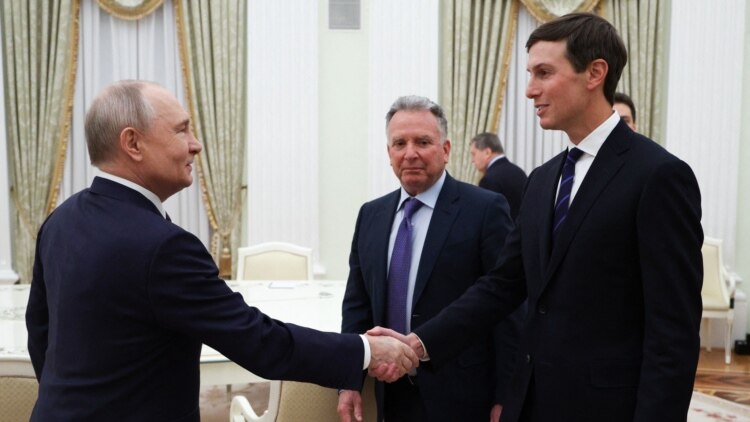
Following talks with Putin, Whitcoff stated that Europe would join the next round of peace talks
The original version of this article first appeared on Glob-News.com.