



Along with the first cold, the endless “khe-keh” starts to sound: in homes, offices, transport. At such times, the hand automatically reaches for cough syrup. But does it really work? Or maybe good old honey and lemon is just as good?
Jackie Smith, Professor of Respiratory Medicine at the University of Manchester, debunks the myths in conversation with the BBC.
Cough medicine: is it worth overpaying?
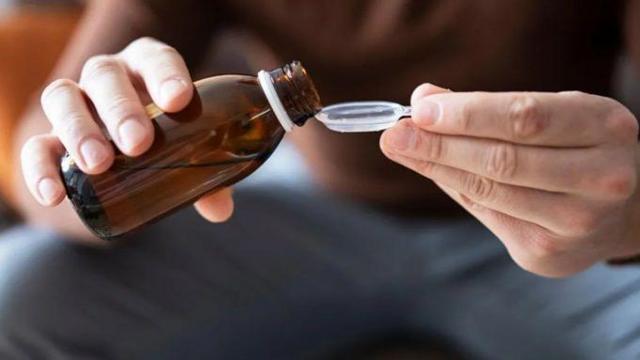
Photo by Getty Images
Most coughs are associated with a cold that goes away on its own. Cough medicines don’t cure the virus, but they can relieve an itchy throat and reduce coughing fits.
Sweet syrups or glycerin-based balms work well for dry coughs – soothing, softening the throat and relieving the feeling of dryness, explains the expert.
Dear weight on the sugar content – most syrups have a lot of it. If it’s important to you, it’s better to choose sugar-free options.
Some products actively advertise their “active ingredients”. For example, dextromethorphan is supposed to reduce coughing attacks, but, according to Professor Smith, its effect is very weak. In addition, it is important to strictly adhere to the dosage – this substance can be addictive.
Levomenthol, which is added to some wet cough syrups, does not cure the cough itself, but creates a pleasant cool sensation in the throat and temporarily reduces irritation.
What if your cough is wet?

Photo by Getty Images
If the cough is accompanied by phlegm and a feeling of pressure in the chest, it may indicate bronchitis or a build-up of mucus in the nose and sinuses.
Although it is very tempting to drink the syrup straight away, Professor Smith bno ,” says Prof Smith. – Do not try to stop it artificially.
Use a handkerchief, and if you accidentally swallow mucus – nothing critical. Only dark brown sputum or blood may be cause for concern.
A wet cough usually goes away on its own after a few weeks and does not require antibiotics. But if symptoms persist for more than three weeks, you should see a doctor.