


The European Union plans to ban entry to Russians who have taken part in the war against Ukraine, including those who were conscripted into the army or subsequently deserted from the Russian military. Radio Free Europe/Radio Liberty has learnt this from a senior EU official who is not authorised to make official comments to the media.
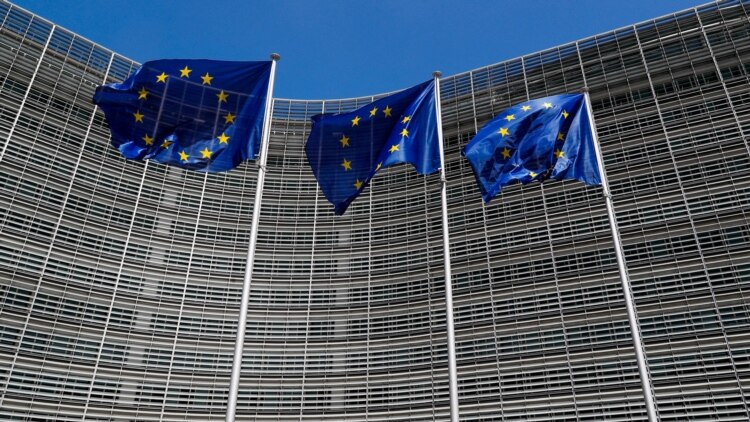
The restriction is part of the 21st package of sanctions against Russia proposed by the European Commission, which still needs to be agreed upon and unanimously approved by all 27 EU member states.
According to the EU official, the proposal covers everyone who fought on the Russian side.
When asked whether the ban would apply to military personnel who were conscripted under duress and subsequently deserted from the Russian army, the diplomat replied that he was “almost certain” that it applied to all those who took part in hostilities on Russia’s side.
At the same time, discussions are still ongoing in Brussels regarding the practical implementation of this ban.
Initially, the possibility of adding former Russian military personnel to the Schengen Information System (SIS), which is used by the border and immigration services of EU countries, was considered. However, diplomats acknowledge that such an approach would be extremely complex.
“We are talking about perhaps a million people. How can this be implemented in practice?” noted one EU representative.
Another diplomat explained that entering every former military personnel into the database individually would require significant resources and time.
This is precisely why another option is gaining increasing support – checks when applying for Schengen visas.
According to one diplomat, applicants could be required to state whether they took part in the war against Ukraine, as well as to present their military ID.
Diplomatic circles note that there is broad support among member states for the very idea of a ban. The main discussions are not centred on the political expediency of the measure, but on the technical mechanisms for its implementation.
“For me, this proposal is well-founded, practical and feasible,” said one EU diplomat.
The Council of the EU and the European Commission expect the 21st package of sanctions to be approved before the summer recess of the EU institutions. At the same time, even after political agreement has been reached, further decisions may be required regarding the specific mechanism for verifying former Russian combatants.