


In Kumamoto Prefecture in south-western Japan, where a 7.1-magnitude earthquake struck on 28 July, one person was killed and more than a hundred were injured. These updated figures have been provided by Reuters.
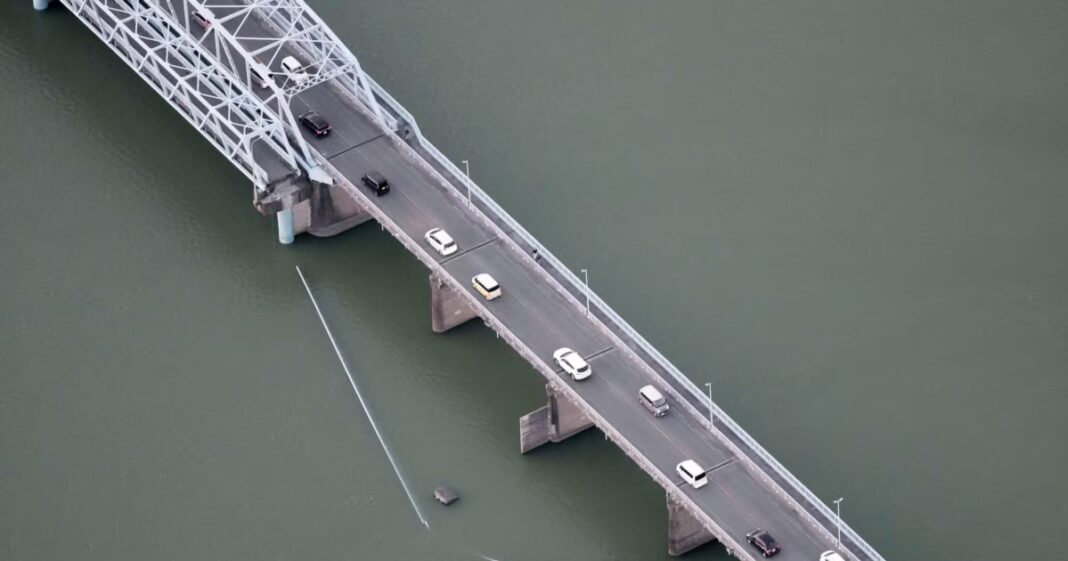
The natural disaster has led to power cuts in thousands of homes, the destruction of roads and bridges, fires and the collapse of buildings. In particular, a shopping centre in the town of Kashima was partially destroyed; there are fears that dozens of people may be trapped there.
Japanese Prime Minister Sanae Takaichi told journalists that the authorities are still assessing the extent of the damage in the region, which was already hit by a devastating earthquake 10 years ago that claimed lives.
Around 300,000 people have been ordered to evacuate. Hundreds of military personnel are taking part in the rescue operations. On the island of Kyushu, where Kumamoto Prefecture is located, aftershocks were later recorded.
Japan experiences numerous earthquakes every year, most of which do not cause significant damage. In 2016, the Kumamoto region was hit by two devastating earthquakes – one with a magnitude of 6.5 and the other with a magnitude of 7.3; more than 270 people were killed and over 2,800 residents were injured.
Japan is one of the world’s most earthquake-prone countries. On 11 March 2011, an earthquake with a magnitude of 9.0 struck the country, one of the strongest ever recorded, triggering a powerful tsunami that swept far inland, destroying towns and their vital infrastructure and causing a serious accident at the Fukushima Daiichi nuclear power station. More than 18,000 people lost their lives and nearly half a million in the region were forced to flee their homes.