


In popular tourist spots, breaking the rules on photography may result in more than just a warning: security staff may ask you to delete your photos, confiscate your device or issue a fine. Fodor’s attributes these restrictions to the protection of art and monuments, respect for religious sites, and efforts to avoid crowds at attractions.
Where photography is restricted for tourists
In Japan, it is forbidden to photograph geishas without their consent, and photography is prohibited in historic districts. Tourists are also prohibited from entering the private streets of the Gion district. In the red-light district of the Netherlands, attempting to photograph women in shop windows can result in a hefty fine and the confiscation of your device.
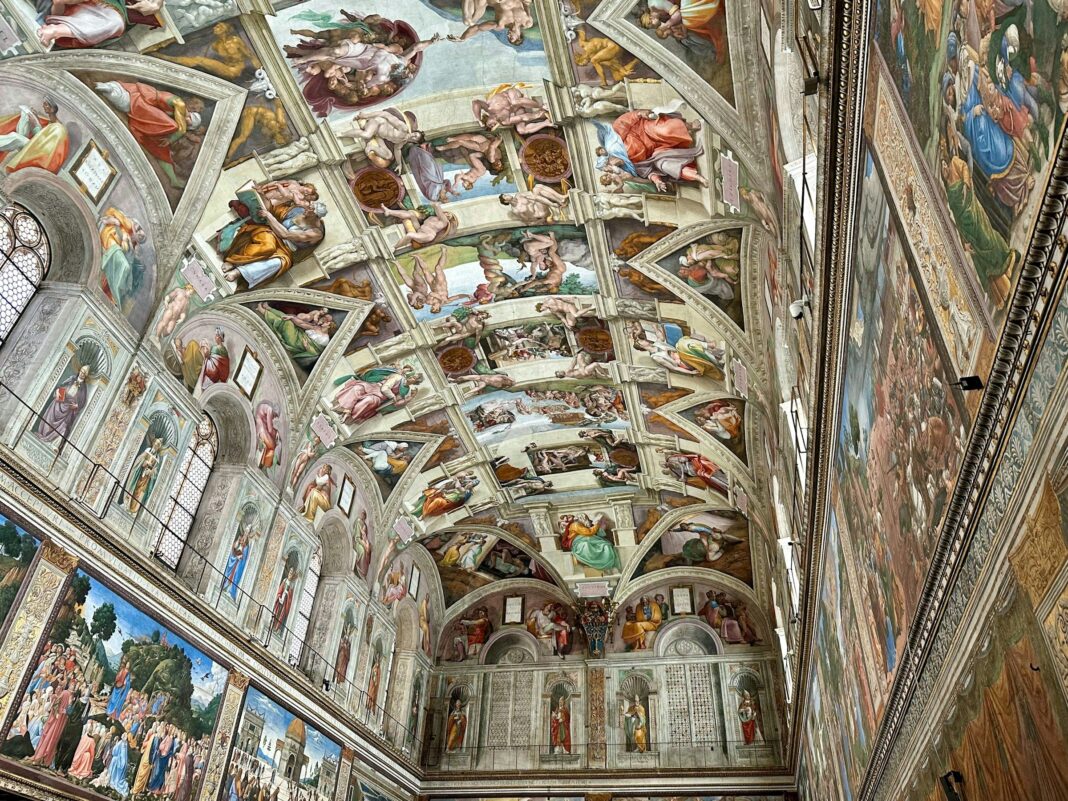
Photography is prohibited in the burial chamber of the Taj Mahal in India and inside the Sistine Chapel in the Vatican. Chapel staff may require you to delete any photographs taken immediately. At the Anne Frank House in Amsterdam, photography is restricted to maintain a peaceful atmosphere — the ban also applies to smart glasses.
Photography is not permitted inside the Sistine Chapel in the Vatican / Photo: Unsplash
Photography is prohibited in the galleries of the Prado Museum in Madrid to prevent visitors from causing congestion. Photography and video recording are also prohibited inside Buckingham Palace and in its gardens during guided tours.
In Uluru-Kata Tjuta National Park in Australia, the Anangu people have marked sacred sites with special signs, where tourists are strongly advised not to take out their cameras.
Previously, Radio MAXIMUM reported on what kinds of things one should not photograph or post on social media.
The original version of this article first appeared on Glob-News.com.