

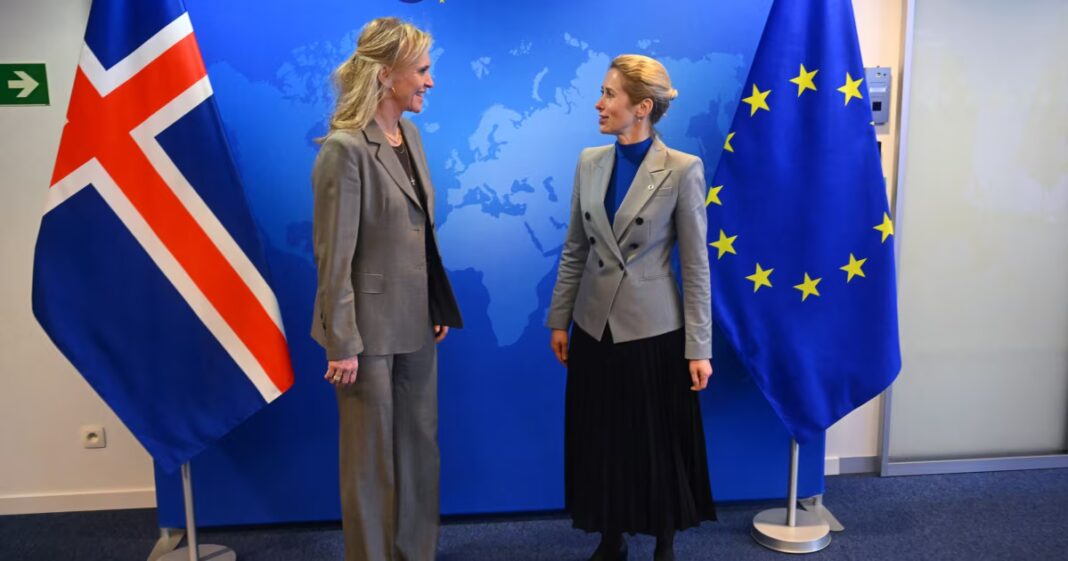

In a referendum held this weekend in Iceland, 52.8 per cent of voters opposed the resumption of negotiations on accession to the European Union, whilst 47.2 per cent supported the idea.
The margin between the two camps was narrow — around 12,600 votes.
Voter turnout was high. In Reykjavík, where supporters of closer ties with the EU were more active, over 60 per cent of voters cast their ballots. In rural areas, turnout exceeded 80 per cent, whilst the proportion of those opposed to resuming negotiations rose above 60 per cent there.
Iceland first began negotiations on EU accession in 2009, following the financial crisis that had dealt a severe blow to its banking sector. However, the process ultimately failed to yield tangible results and was finally halted in 2015. One of the reasons for the failure was the dispute over fishing quotas.
The government, led by the Social Democrat Prime Minister Kristún Frostadóttir, promised to hold a referendum after coming to power at the end of 2024.