


Iran has denied US claims that any frozen Iranian assets released under the framework agreement would be used to purchase American agricultural produce, but has not categorically ruled out such a possibility, as this proposal has provoked a sharp negative reaction from hardliners in the country.
The unfreezing of billions of Iranian funds held abroad forms part of the Memorandum of Understanding (MoU) signed by Tehran and Washington on 17 June, which is intended to bring an end to the months-long standoff between the two sides.
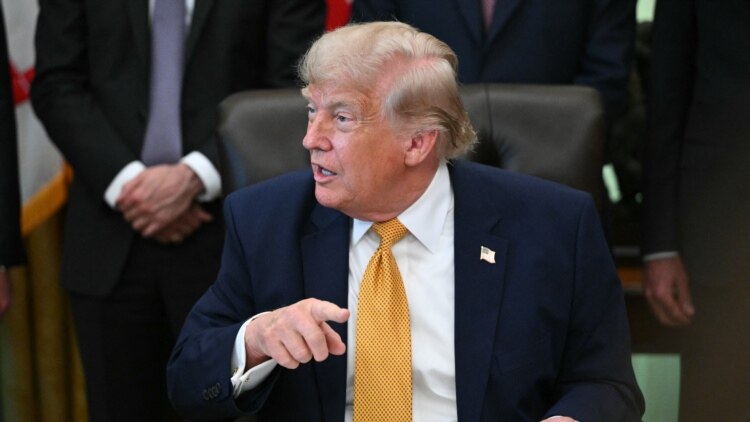
US President Donald Trump stated on 23 June that any Iranian funds released would be used to purchase American maize, soya and wheat. According to him, these funds will be held “in a deposit under the control” of Washington and spent “exclusively” on American food and medical supplies.
However, the head of the Central Bank of Iran, Abdolnaser Hemmati, immediately denied the existence of any such obligation. “According to the signed memorandum, we are not obliged to buy agricultural produce from America,” he said.
What is the food situation in Iran?
According to the Iranian news agencies ILNA and Mehr, bread prices in Tehran and the neighbouring town of Varamin have doubled, whilst the cost of some staple types of flatbread has risen by as much as 100 per cent.
The new prices were introduced via the bakeries’ payment systems late in the evening on 22 June, affecting popular types of bread such as lavash, Barbari and sangak.
This move followed months of reports of unofficial price rises for bread in several provinces.
The sharp price rise occurred despite the fact that the Minister of Agriculture, Gholamreza Nouri Gezelje, had recently stated that a rise in bread prices was not being considered, and that the government was focusing on reforms to the bread subsidy system and support in the form of food vouchers.