


Tehran has stated that it is halting attacks on US allies in the Middle East because Washington has refrained from attacking Iran for the second night running. At the same time, a spokesperson for the Iranian army warned on 26 July that the war could escalate if the US decides to resume its attacks.
“These (American – ed.) attacks continued until two nights ago, but for the past two nights the Americans have ceased their attacks,” the Iranian semi-official Mehr news agency quoted army spokesman Mohammad Akraminia as saying.
He added that, as Iran’s strikes were “essentially a retaliatory strategy”, Tehran had also halted its military operations.
The lull in attacks on 26 July came two days before a key meeting scheduled in Washington between President Donald Trump and Israeli Prime Minister Benjamin Netanyahu. This visit on 28 July will take place exactly five months after US and Israeli forces launched an extensive campaign of air strikes against Iranian targets.
In recent weeks, Washington has announced a partial ceasefire, although US bombing of Iranian targets had continued for almost two weeks straight up until 24 July.
According to The New York Times, the lull in US attacks is partly due to a reduction in American stocks of interceptor missiles designed to shoot down Iranian missiles, which has reportedly caused concern among US military planners.
Instead, the Pentagon maintains that its forces remain well-equipped. Spokesperson Sean Parnell told CNN that “the US military has a wide range of capabilities at its disposal”.
Speaking at the White House on 26 July, Trump stated that he had not yet decided whether to resume a full-scale operation. He also said that Iran faced a choice between a deal and strikes at a “much higher level”.
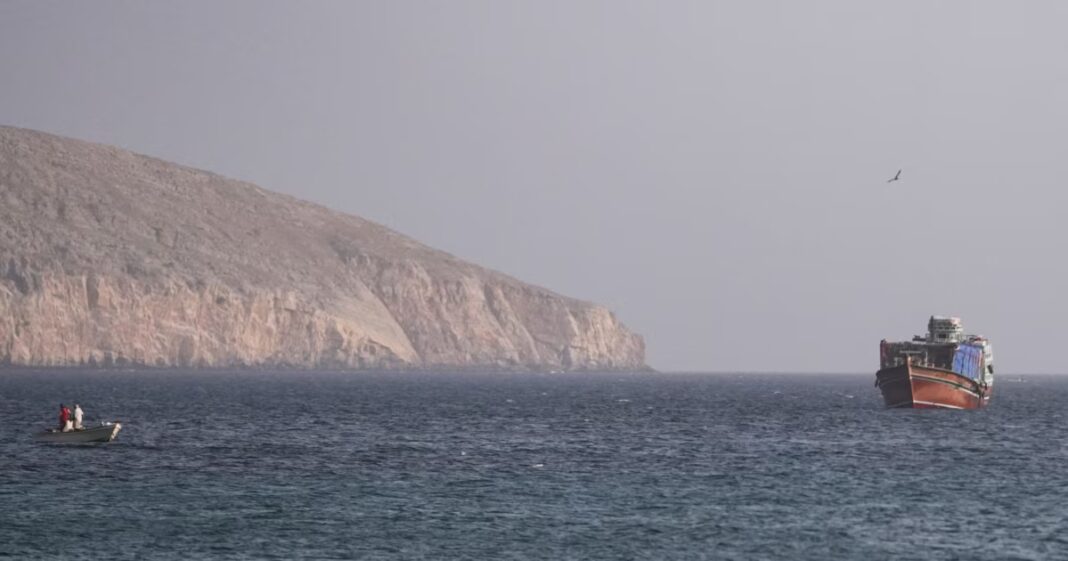
Meanwhile, as reported by Iranian state television on 26 July, the Iranian military had intercepted six vessels attempting to pass through the Strait of Hormuz over the previous 24 hours.
Tehran stated that it had made progress in negotiations with Oman, which borders the narrowest part of the strait, on the ‘general principles and operational mechanisms’ for shipping. Oman and Iran have stated that they will discuss the introduction of service charges, a move opposed by Washington.
Following the launch of the US-Israeli operation in February 2026, Iran responded by striking US allies in the Middle East and effectively blocking the Strait of Hormuz – a narrow waterway through which a significant volume of oil and gas usually passes on its way to global markets.