

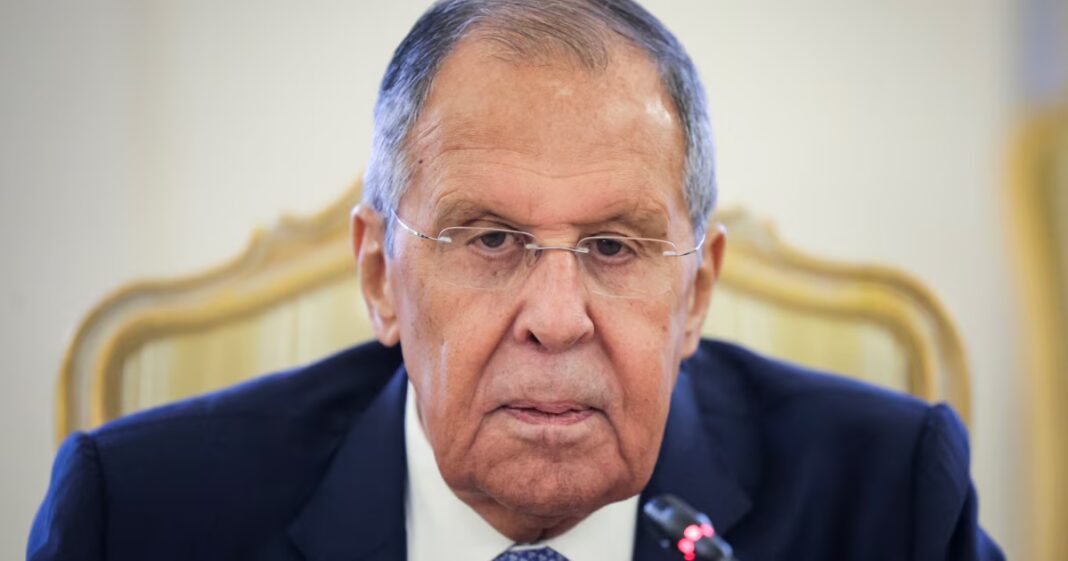

Against the backdrop of mounting tensions between Russia and Europe, both sides have made some very strong statements. Speaking to young people in Yekaterinburg, Russian Foreign Minister Sergey Lavrov stated that should Europe attack Russia, the latter would not stand idly by and the retaliatory war would be ‘very short’. Lavrov emphasised that Moscow has no intention of attacking European countries, but warned that Russia is prepared to respond swiftly and forcefully in the event of aggression.
These remarks came against a backdrop of growing concern in Europe over hybrid threats, as highlighted by European Commission President Ursula von der Leyen. In her annual address, she mentioned an incident involving a drone which was reportedly detected at Leipzig/Halle Airport in Germany. Von der Leyen stated that this was an attack using military means, carried out by Russian agents.
According to von der Leyen, the European Union needs a new security strategy that will provide an adequate response to current challenges. She proposed creating an ‘emergency security protocol’ to complement Article 4 of the NATO Treaty, which provides for consultations between allies. This mechanism would enable European states to coordinate their actions swiftly in the event of a threat and minimise the consequences.
Von der Leyen also hinted that Ukraine could participate in the new mechanism, which demonstrates the EU’s intention to strengthen ties with its eastern partners against the backdrop of strained relations with Russia. At the same time, concern is mounting in the Baltic states over Russian activity, including airspace violations and drone incursions, which is further fuelling tensions and calls for enhanced coordination within the European Union.
Consequently, Europe and Russia continue to exchange sharp statements, which reflects the persistent level of mistrust and the need to develop new approaches to security and cooperation.