

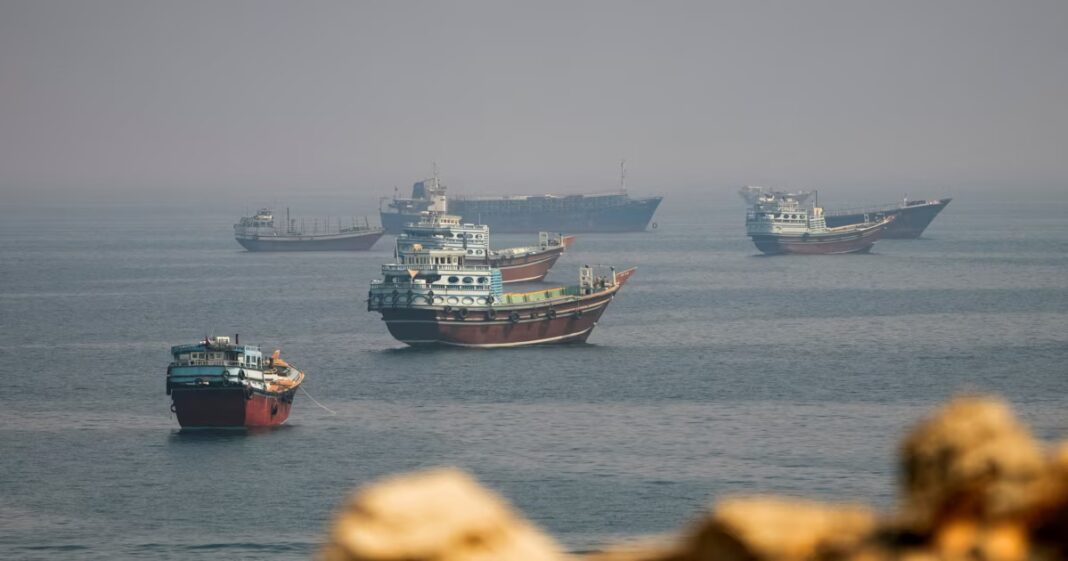

The war in the Middle East is intensifying, but this is not halting shipping through the crucial Strait of Hormuz. US Central Command reports that, despite tensions in the region and threats from Iran, this strategically important waterway remains open to transit. According to the US military, thousands of vessels have passed through the strait, carrying nearly a billion barrels of oil, which underlines its importance as a critical hub in the global energy supply chain.
Since the start of the conflict involving Iran, the volume of traffic through the strait has fallen, but shipping has not ceased. Iran is attempting to control shipping by threatening commercial vessels, but the US is actively countering this by stepping up its naval blockade and striking vessels linked to Iran.
It is important to note that, prior to the escalation of the conflict, one-fifth of global oil and liquefied natural gas supplies passed through the Strait of Hormuz, making it one of the most vital arteries for international trade in energy resources.
Against the backdrop of this tense standoff, Yemeni Houthi rebels continue to attack Saudi Arabia. They recently seized positions overlooking the Bab el-Mandeb Strait, posing a serious threat to yet another vital oil transport route. Saudi Arabia has responded with air strikes on Yemeni territory, whilst the Houthis have attacked Saudi cities with drones and missiles. Furthermore, militants from Iraq have managed to disable the Saudi ‘East–West’ pipeline, thereby hampering Saudi Arabia’s attempts to bypass the Strait of Hormuz to export oil.
The situation in the Middle East remains extremely tense, and further developments could have serious consequences for global energy security.