

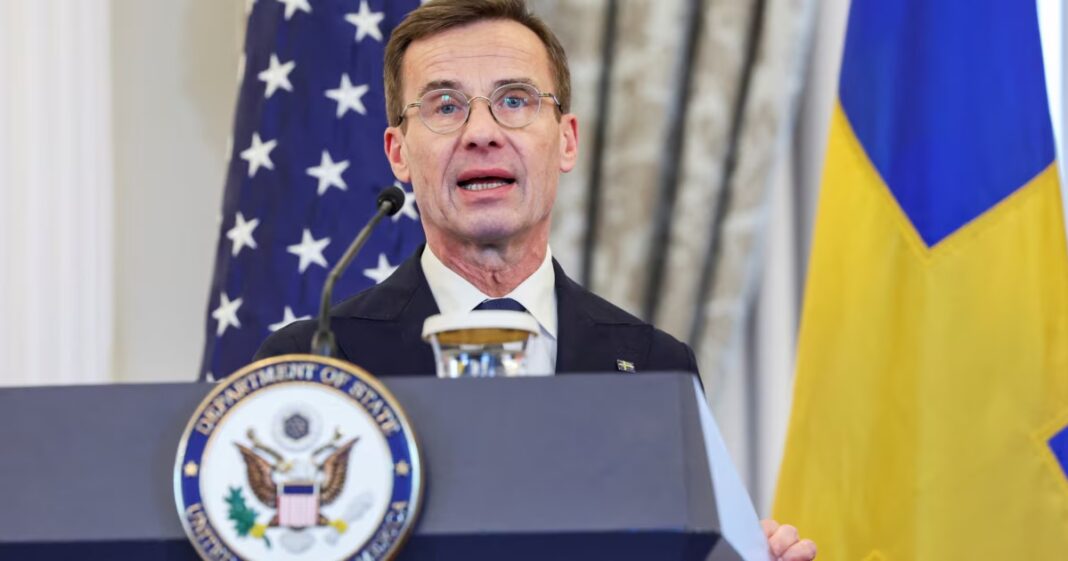

The political landscape in Sweden is undergoing significant changes. On 17 September, the country’s Prime Minister, Ulf Kristersson, announced his resignation, marking a dramatic conclusion to the recent parliamentary elections held on 13 September. Kristersson took this decision following a thorough analysis of the election results, which have reshaped the country’s political landscape.
Kristersson, leader of the centre-right Moderate Party, had been in power since October 2021. During this time, he had established himself as a resolute politician committed to strengthening the economy and enhancing national security. However, the results of the recent election showed that his party’s political support had waned, forcing him to take this bold step.
In a letter to the Swedish Riksdag, Christersson formally requested to be relieved of his duties as Prime Minister, to allow the Speaker of Parliament to organise the process of forming a new government. This move not only demonstrates his commitment to democratic procedures, but also paves the way for potential negotiations and coalitions that could lead to unexpected alliances in Swedish politics.
It remains to be seen how these developments will affect political life in Sweden and what impact they will have on the country’s future. For now, the Swedish political arena is characterised by a tense atmosphere of anticipation and hope for the best.