

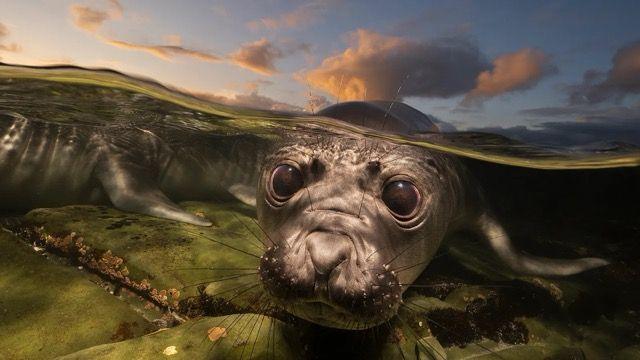

Warning: This article contains an image that some readers may find disturbing.
Every year, Ocean Photographer of the Year invites photographers to share their most stunning images of the seas.
In the photograph above, Matthew Smith captured a curious southern elephant seal calf taking its first steps into the ocean on the rocky shallows of Sea Lyon Island (Falkland Islands).
Scroll on to see nine more spectacular images that showcase the beauty of the world’s oceans and the challenges they face.
A Father’s Figure
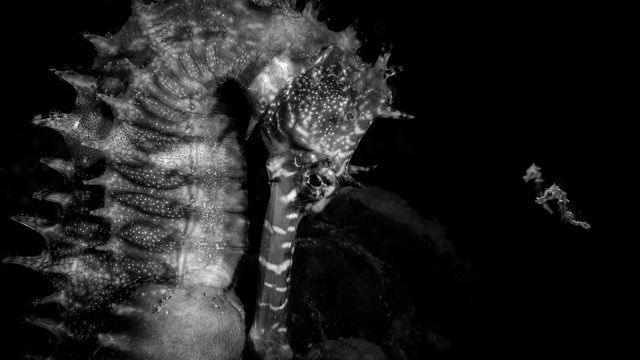
Photo by Julien Anton / Ocean Photographer of the Year
The overall winner of the competition is an image by Julien Anton, depicting a beloved sailor and a tiger.
Hidden Ambush
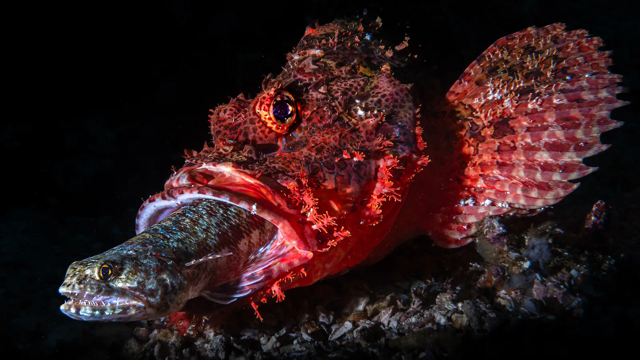
Photo by Andrea Michelutti / Ocean Photographer of the Year
In this photograph, Andrea Michelutti captured a Philippine red sea devil (scorpionfish).
This dramatic encounter highlights the scorpionfish’s stealthy and concealed behaviour whilst hunting, as well as the constant struggle for survival on the coral reefs.
The Gentle Giant
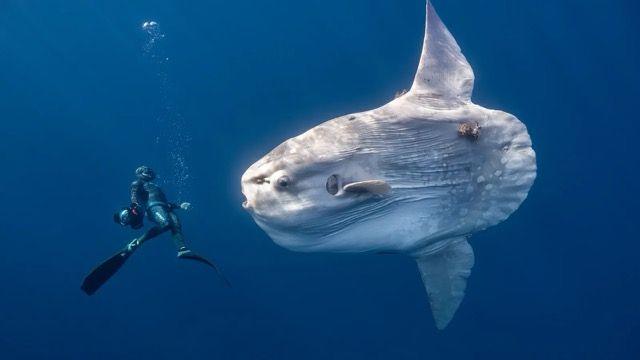
Photo credit: Anita Verde / Ocean Photographer of the Year
During the sardine run in Mexico in 2025, photographer Anita Verde captured a moonfish roughly the size of a small car.
“As it moved towards us through the azure waters, it looked as though it were glowing,” she told the BBC, “like a huge moon rising from beneath the water. You simply cannot take your eyes off this fish. It is astonishingly beautiful.”
A visitor from the depths
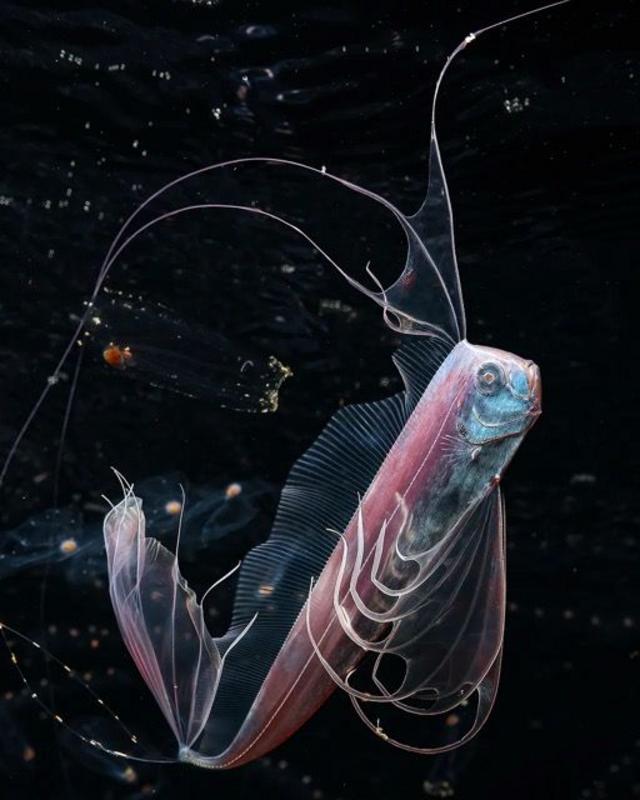
Photo credit: Mitsuna Kawai / Ocean Photographer of the Year
Mitsuna Kawai took this photograph during a winter dive in the dark waters (‘black-wa.’
Young fish are rarely seen alive, as they inhabit immense depths of up to 900 metres. A young one like this may be just a few centimetres long, whilst adults grow to 1.8 metres.
Stingrays
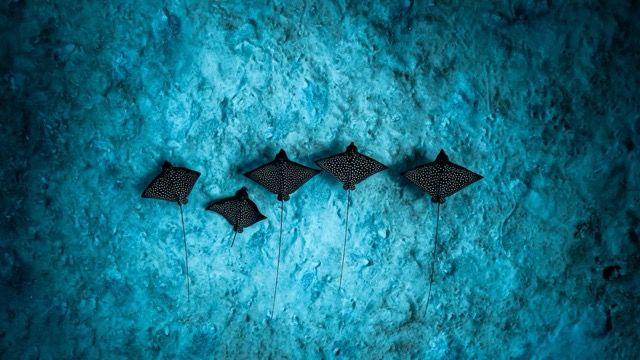
Photo by John Kowitz / Ocean Photographer of the Year
John Kowitz took this artistic photograph of five spotted eagle rays gliding over the sandy seabed at Gave.
These rays often travel together in search of prey, using their electric receptors to locate molluscs and crustaceans hiding beneath the sand.
Mouthbrooding
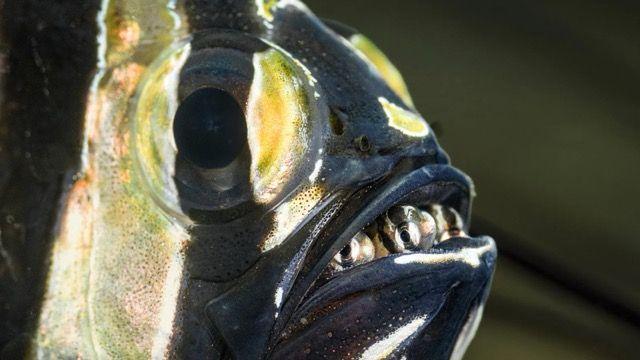
Photo credit: Suliman Alatiqi / Ocean Photographer of the Year
For 10 days, it keeps its newly hatched offspring in its mouth, fasting completely during this time.
This unique ‘mouthbrooding’ strategy helps protect the young fish from predators until they become more independent.
A lobster trap
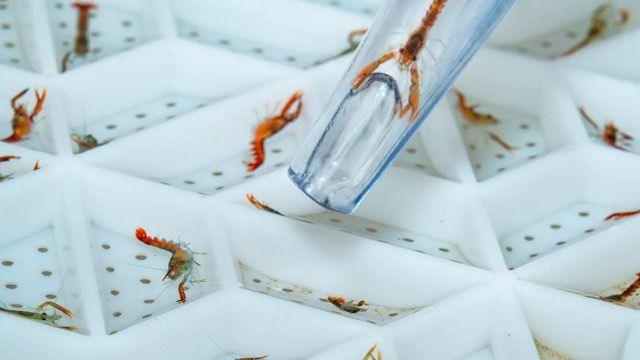
Photo credit: Francesca Page / Ocean Photographer of the Year
Every year, thousands are reared at the National Lobster Hatchery in Padstow (UK). Photographed by Francesca Page.
In the wild, only one in 20,000 survives to adulthood. Juveniles reared in such hatcheries are approximately 1,000 times more likely to survive and reach reproductive age.
Whale hunting
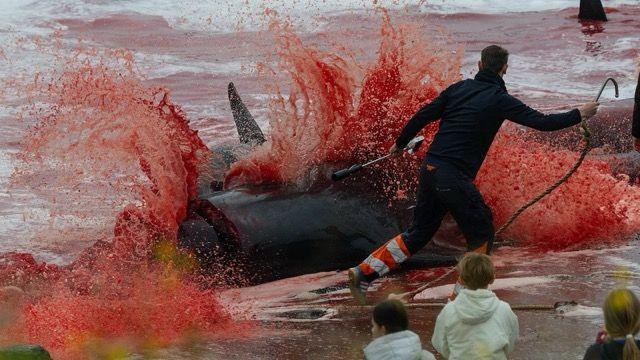
Photo credit: Karsten Michels / Ocean Photographer of the Year
In the Faroe Islands, which are a self-governing territory within the Kingdom of Denmark, a hunter kills a whale. Photo by Karsten Michels.
As part of a traditional hunt known as ‘grindadráp’, pods of these mammals are herded onto beaches to be slaughtered.
Even small-scale hunting of cetaceans leaves a profound impact on the deep-sea ecosystem.