

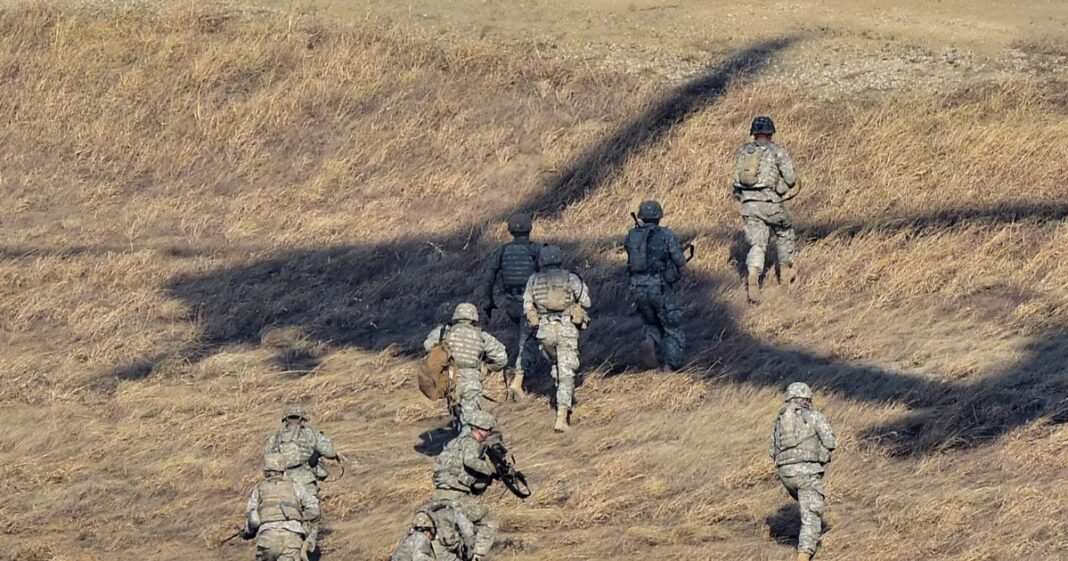

The Pentagon has cancelled plans to deploy 4,000 U.S. troops to Poland, two U.S. officials said.
General Christopher LaNeve, the acting Army chief of staff, confirmed the decision during testimony Friday before the House Armed Services Committee. But he offered little explanation other than that “it made the most sense for this brigade not to deploy.”
The top Republican on the committee, Mike Rogers, and the top Democrat, Adam Smith, criticised the move and expressed annoyance that Congress was neither notified nor consulted as required.
A fortnight ago, the Pentagon announced the withdrawal of 5,000 troops from NATO ally Germany, in part because of a growing rift between U.S. President Donald Trump and Europe over the Iran war.
A U.S. official told Reuters it was unclear whether the decision on Poland was intended to achieve that reduction as U.S. troops reorganise in Europe.
The U.S. official, who spoke to Reuters on condition of anonymity, said troops that were to be moved to Poland could instead come from elsewhere.
At the same time, Polish Prime Minister Donald Tusk said he had received assurances that Poland’s security would not be affected by any decisions regarding the presence of U.S. troops.
“I have received assurances, and this is also important for me, that these decisions are logistical in nature and will not directly affect deterrence capabilities and our security,” he said at a press conference on Friday.
Defence News reported the other day that the US Army had cancelled the deployment of more than 4,000 soldiers and related equipment.
US President Donald Trump on 30 April did not rule out the possibility of withdrawing US troops from Italy and Spain because of the disagreement of the leadership of these countries with the war against Iran.
A day before that, the American leader spoke out about a similar reduction in the number of troops in Germany.
The US President has previously sharply criticised NATO partners, claiming their inability to help in the US-Israeli operation against Iran or in ensuring the unimpeded movement of oil tankers through the Strait of Hormuz.