

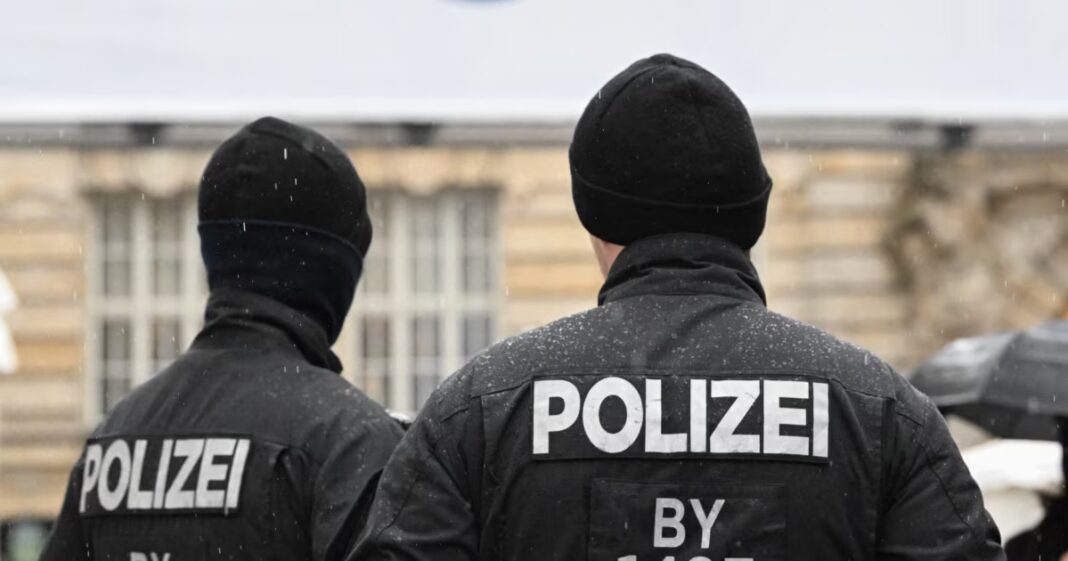

The Criminal Police Department in Munich reported that two foreigners – a 45-year-old Latvian citizen and a 43-year-old Ukrainian citizen – were detained in Bavaria in the first half of April. They are suspected of planning sabotage for a foreign organisation.
The suspects were stopped on 12 April during a traffic check in the area of Neuendettelsau near Nuremberg. In their car, police found forged identity documents, cameras, a drone, GPS trackers, radios, several mobile phones and SIM cards. The investigation believes that the foreigners, whose names are not being released, were acting “on the tasks of an unnamed organisation or structure outside Germany”, but did not disclose what that structure was.
The two men had no permanent residence in Germany and their car was travelling towards the Czech border when they were arrested.
Germany remains on high alert for possible acts of sabotage by Russia because of Berlin’s support for Kiev amid a full-scale Russian invasion of Ukrainian territory, the AFP news agency said. The Russian Defence Ministry recently published the addresses of companies in Europe that produce weapons and drones for Ukraine. Russian representatives, in particular former President Dmitriy Medvedev, called these companies “legitimate targets”.
Several legal proceedings against alleged Russian agents are ongoing in Germany. Last October, a court in Munich convicted three “Russian Germans”, who also hold German citizenship, on charges of espionage and preparing sabotage in favour of Moscow.
Read also: German Foreign Ministry summoned Russian ambassador over “direct threats” to facilities in Germany
As stated in a report by the International Centre for Counterterrorism (ICCT) and the Globsec project, the Kremlin has organised at least 151 hybrid attacks in Europe during the four years of full-scale war against Ukraine. The authors of the report counted 172 perpetrators, 95 per cent of whom had no previous formal ties to Russian security services. At the same time, only 58 per cent of them knew who they were actually coordinated by. At least 12 perpetrators were linked to far-right communities, and 44 had previous criminal records.
The scale of such operations grew after the expulsion of more than 600 Russian agents from Europe since 2018, the report noted. Having lost intelligence officers working under diplomatic cover, the Kremlin has switched to recruiting civilian agents in Europe.
Ukrainian and Latvian citizens detained in Germany on suspicion of preparing sabotage attacks