


The New York Times reported late in the evening of 29 March that several hundred members of the US Special Operations Forces have arrived in the Middle East to provide President Donald Trump and the military with additional capabilities in the war with Iran.
The report, citing two unnamed U.S. officials, said the newly arrived military personnel have not yet been assigned specific roles in the conflict. They will join thousands of Marines and paratroopers who were sent to the region earlier. The publication points out that in total, there are now more than 50,000 US troops in the Middle East, about 10,000 more than usual, as Trump decides his next steps in the war with Iran.
US leaders, particularly Trump and Secretary of State Marco Rubio, have said the deployment of any additional troops would be aimed at giving the president additional options in the situation with Iran.
Among the possibilities-potential seizure of Iran’s Kharq Island, a key oil terminal and an important link in Iran’s economic machine. The U.S. military could also look for ways to protect shipping in the Strait of Hormuz, which has been largely blocked by Iran.
Another possible use for special operations forces, the Times reports, would be a mission to seize Iran’s stockpile of highly enriched uranium at the Isfahan nuclear test site.
The report notes that military experts caution that even 50,000 troops is a small number for a significant ground operation.
The US-led coalition forces that invaded Iraq in 2003 initially consisted of about 250,000 troops, the publication said.
29 Mar US President Donald Trump has said he wants to “take oil from Iran” and possibly seize Kharq Island, while insisting Washington is doing “extremely well” in negotiations with Iran. The US president said he was “reasonably confident” that a peace agreement would be reached.
He gave no details about the talks, Iranian leaders deny them. Tehran says it has received a 15-point peace plan from the US but does not accept it.
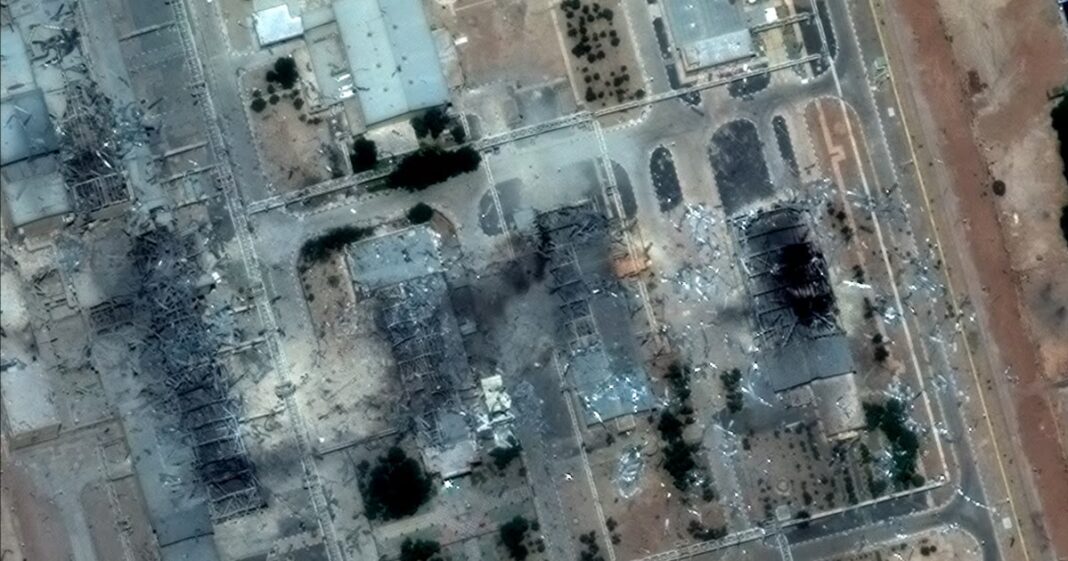
28 February The US launched a joint military operation with Israel against Iran. The strikes killed Supreme Leader Ayatollah Ali Khamenei and hit the country’s military and nuclear facilities. Iran retaliated by striking US bases and infrastructure of Washington’s Gulf allies.
Since the launch of the operation, Iran has effectively blocked the Strait of Hormuz, which connects the Persian Gulf to the world’s oceans. The Strait is of strategic importance because it is the route through which oil from the oil-producing countries of the Persian Gulf flows to the world market.