



ChatGPT developer OpenAI has been forced to order some of its artificial intelligence tools to stop mentioning goblins after it was discovered that the term had started appearing randomly in responses.
The company said in a blog post on Thursday that it had noticed an increase in references to mythological creatures such as gremlins in metaphors used by ChatGPT and other tools running on its latest flagship GPT-5.
After users and staff reported problems described as “little goblins,” OpenAI said it has taken steps to address it, including instructing its Codex coding agent not to mention these creatures unless appropriate.
“Nerd Personality”, developed for ChatGPT, found itself unconsciously incentivised to reward mentions of goblins.
This illustrates the challenges artificial intelligence companies face in unlocking the potential of systems and training them in the context of linguistic features.
OpenAI said it first noticed an increase in mentions of goblins, gremlins and other creatures after the launch of GPT-5. 1 in November.
“Users complained that the model was strangely familiar in conversation, prompting an investigation into specific speech features,” the company wrote on its blog Thursday.
It added that after a researcher who saw several mentions of “goblin” asked to check it out, the developers found that the term’s appearance in ChatGPT responses has increased 175 per cent since the launch of GPT-5. 1.
They also found that mentions of “gremlin” had increased by 52%.
The increase, while significant, can be attributed to the small number of responses overall.
According to OpenAI, the “one” small goblin “in the response may be harmless, even magical,” but the rapid increase in their appearance warranted investigation.
“Raccoons, ogres, trolls, pigeons.”
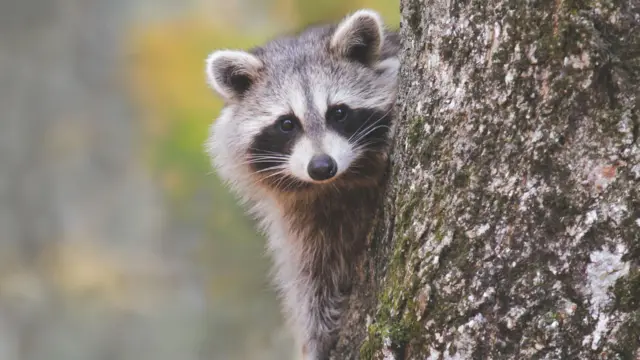
Author photo, Getty Images
Before the OpenAI blog post describing the problem was published, some social media users noticed a strange Codex detail on how to behave when interacting with users.
In addition to recommending avoiding platitudes, it also noted that Codex “should never talk about goblins, gremlins, raccoons, trolls, heathers, pigeons, or other animals or creatures unless it is absolutely and unambiguously relevant to the user’s query.”
The Reddit user who posted the message called it “really crazy.”
While some users on other social media sites speculated that this could be designed to create hype around artificial intelligence tools, a researcher at the company denied this, writing in response to a user on X: “this really isn’t a marketing stunt.”
OpenAI announced on its blog that it has added guidance on how to limit the “strange propensity ” of Codex and its base model to goblins.
The main problem, as the company explained, apparently stemmed from teaching models to communicate in the style of certain personalities – in this case, their “boring personality”.
The company found that this system encouraged references to goblins, gremlins and other creatures in metaphors.
Testing showed that this personality accounted for 66.7 per cent of all mentions of “goblins” in ChatGPT.
This trick may facilitate more extensive model learning if it is rewarded in one case and reinforced in another.
Goblin Mode
The move comes amid a broader industry shift towards making artificial intelligence chatbots more personable and chatty. This should increase user engagement.
However, experts warn that the likelihood of AI personalities making things up – or “hallucinating” as the industry describes it – may be increasing.
A recent study by the Oxford Internet Institute found that fine-tuning models to be warmer and friendlier can lead to an “accuracy trade-off” where systems make more errors or confirm false beliefs of the user.
Experts also caution users against taking the often mundane statements of chatbots at face value, especially when it comes to health and medical advice.
But, as with the goblins in OpenAI, generative AI mistakes can sometimes be stranger and more innocuous.
In May 2024, Google’s artificial intelligence chatbot was widely ridiculed for telling users it was okay to eat rocks and “glue pizza.”