

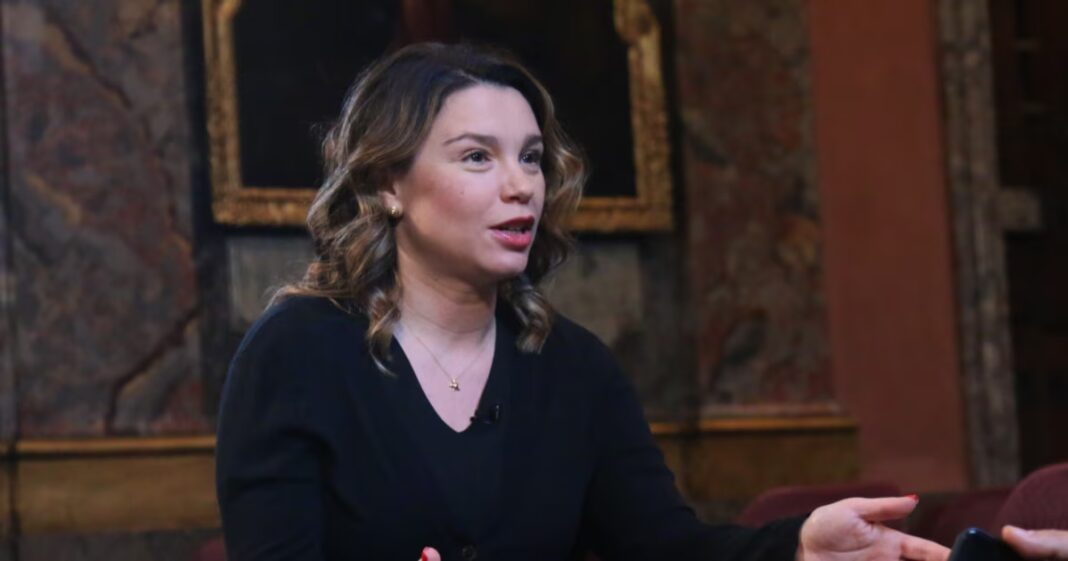

In early October, the Russian Ministry of Justice expanded the list of so-called ‘foreign agents’ to include a number of prominent figures and organisations. Among them was Zhanna Nemtsova, the daughter of opposition politician Boris Nemtsov, who was murdered in 2015. Also included in the register was ‘Navalny’s Team’ – social media accounts run by members of the Anti-Corruption Foundation, founded by Alexei Navalny, who died in prison.
Also on the list were the Circassian activist Rustam Khuzhev and the news website ‘Reanimation’. According to the ministry, these individuals and organisations allegedly disseminated false information about Russian politics and expressed disagreement with Moscow’s actions on Ukrainian territory.
The ‘foreign agents’ law was introduced in Russia in 2012, initially applying only to non-profit organisations that received funding from abroad and were engaged in political activities. However, over time, the scope of the law has broadened, and it can now apply to media organisations and individuals, even if they do not receive funds from abroad but are, in the authorities’ view, under ‘foreign influence’. The criteria for such influence remain extremely vague, allowing the authorities to target various organisations and activists engaged in human rights, cultural or environmental work.
Such actions have drawn criticism both within the country and abroad, as they are seen as an attempt to exert pressure on dissidents and to restrict freedom of speech.