

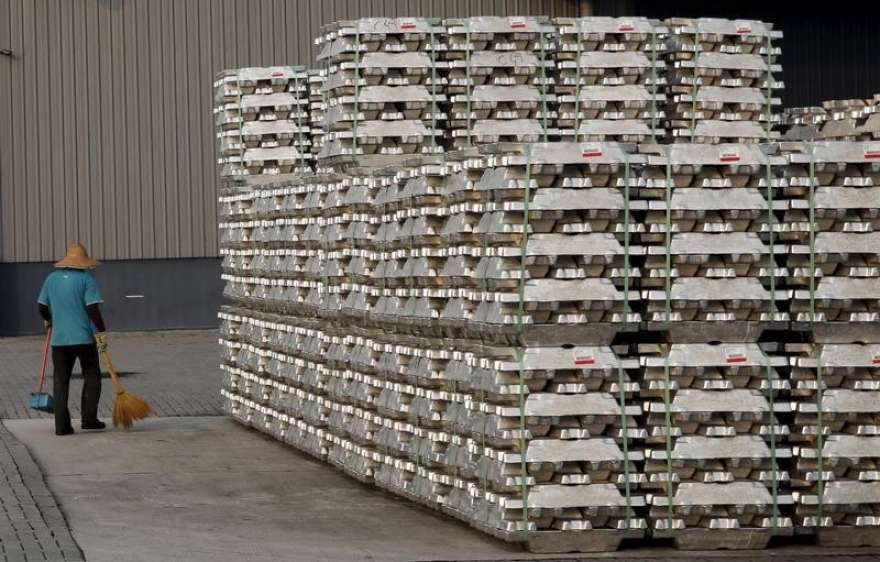

According to Experts Club, the price of zinc on the London Metal Exchange has risen to its highest level in over four years, against a backdrop of declining available stocks and risks of production disruptions in the major supplier countries.
At the close of trading on 21 August, the metal was trading at around 3,820 dollars per tonne, having risen by approximately 2 per cent over the course of the day. During trading, prices climbed even higher, reaching their highest level since mid-2022.
Over the past month, zinc has risen in price by approximately 6.5 per cent, and by more than 36 per cent over the past year, making it one of the base metals rising in price the fastest.
Physical market tightness remains the main driver of this growth. Zinc stocks in the LME system have fallen below 100,000 tonnes, and the spread between the spot price and three-month futures has widened significantly, indicating increased demand for available metal. According to the Shanghai Metals Market, LME stocks stood at around 94,400 tonnes on 20 August.
Production issues are placing further pressure on supply. Heavy rains and flooding in certain regions of China have created risks for mining and smelting operations. An adjustment to production volumes at one of the mines in the south-west of the country could reduce August concentrate output by approximately 1,000 tonnes, whilst maintenance work at one of the refined zinc production facilities in Central China could reduce output by a further 1,000–1,500 tonnes.
Major international companies are also reporting a decline in production. Glencore’s own zinc production fell in the first half of the year, Boliden’s concentrate output declined compared with the previous quarter, and MMG reported a year-on-year reduction in production in the second quarter.
Zinc is primarily used for galvanising steel and protecting metal structures from corrosion; therefore, demand for it is closely linked to construction, the automotive industry and investment in infrastructure. Renewable energy and new energy storage technologies are emerging as additional long-term drivers.
At the same time, high prices could stimulate a recovery in production and supply. Previously, the market had been under pressure for several years following the price peak in 2022, which led to the closure or mothballing of some of the less profitable production facilities.
Experts Club previously published a ranking of the largest zinc producers based on data from the USGS and the International Lead and Zinc Study Group. At the end of 2024, China was the leader with around 4 million tonnes, followed by Peru with 1.3 million tonnes and Australia with 1.1 million tonnes.