


Author photo, Getty Images
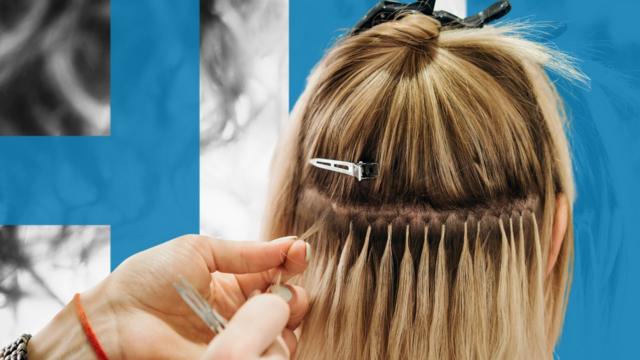
Millions of women adorn themselves with hair extensions every day. But a massive new study has found: many of these strands contain chemicals linked to breast cancer, hormone disruption and reproductive health problems.
Scientists found nearly 50 dangerous compounds in most samples of both artificial and natural hair: wigs, braids, and false strands.
The findings, published in the Journal of the American Chemical Society, call for tighter industry oversight and more openness to consumers.
“We’re forced to trust brands that don’t have to guarantee the absence of harmful substances,” says Elysia Franklin, lead author of the study.
Extensions are also dangerous because they are worn for long periods of time and are in constant contact with the skin.
This chronic contact can have long-term health consequences.
“The hair is very close to the scalp and neck and is worn this way for weeks and sometimes months,” Franklin notes.
Dangerous chemicals
The global market for hair extensions is projected to exceed $14 billion by 2028.
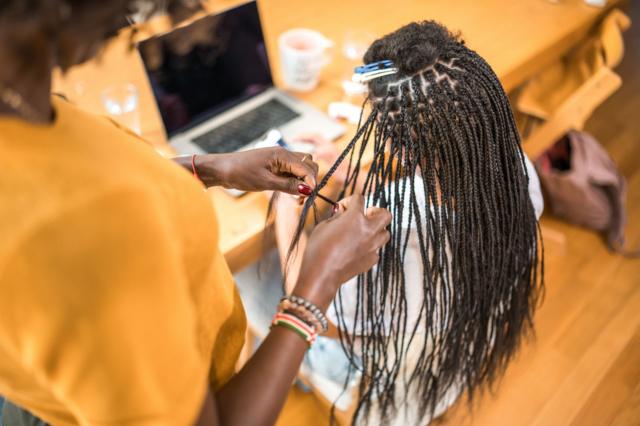
Many women choose strands for the sake of beauty and a fashionable look, but a significant portion of consumers are darker-skinned women who find such solutions convenient for hair care.
Author photo, Getty Images
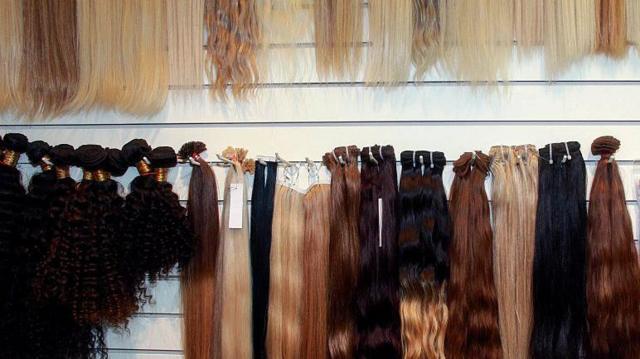
Synthetic hair costs from $20, while premium natural strands can reach several thousand.
Scientists found 170 chemicals in the 43 samples tested. Of these, 48 made it onto international lists of hazardous compounds compiled by the UN and the European Chemicals Agency.
“These include flame retardants, pesticides and talates, which disrupt hormone balance and can affect the reproductive system,” Franklin explains.
Seventeen chemicals linked to breast cancer were found in 36 samples, and nearly 10 per cent contained dangerous organogenic compounds commonly used for flame-retardant plastic.
Scientists admit they were surprised by the presence of organogens – they are not usually found in household products.
These chemicals can irritate the skin and disrupt hormones, affecting fertility and body development.
The most common were phenol (a component of glues and plywood) and DEHP, a substance that makes plastic flexible.
“These substances trigger processes in the body similar to the effects of known carcinogens and, over time, increase the risk of breast cancer,” Franklin explains.
Is natural hair safer?
Previous studies have focused on synthetic hair, where dangerous metals were found.
The new study tested 11 samples of natural and blended hair (a mixture of synthetic and natural strands).
Author photo, Getty Images
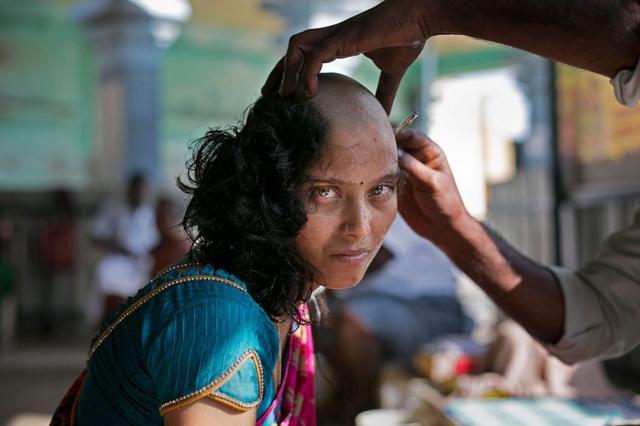
Natural hair, marketed as “chemically treated free”, is usually more expensive. But even in it, scientists have found more hazardous substances than in some synthetic samples.
“Labelling” natural “or” from a single donor “does not make the hair safer,” Franklin notes.
“In one synthetic sample, we found only one chemical on the list of hazardous chemicals, while there could be five to seven in natural strands.”
When styling hair, special products are used to keep it groomed and manageable.
These products may contain chemicals that, even in small amounts, can affect hormones and reproductive health.
There are no clear safety standards for chemicals in hair extensions, and this is one of the main concerns scientists are highlighting.
Extensions are often heated or immersed in boiling water, which releases toxic vapours. These enter the body both through the respiratory tract and through the skin, affecting not only the hair wearers but also the hairdressers.
Some people feel itching, redness, rashes and swelling on the scalp, neck and face. In rare cases, breathing problems may occur.
Risk-free hair extensions – is it real?
The research is clear: there is no proven way to safely use chemically treated hair extensions.
Even measures such as pre-washing strands with vinegar to reduce irritation do not guarantee safety.
Of the 43 samples tested, only two did not contain dangerous chemicals. They were labelled “non-toxic” or “safe”. But, Franklin said, such labelling can create an erroneous sense of safety.
“No one controls these terms, so companies can write them on packaging without consequence.”
Author photo, Getty Images
Cosmetics undergo rigorous inspection and testing. Extensions are usually categorised differently, so there is little or no testing for them.
Previous research has linked dyes and hair straighteners to an increased risk of breast cancer. But these products are tested, while the hair extensions are not.
In 2016, the BBC found that hair is often mislabelled and information about strand type often depends on the honesty of the retailer.
Some manufacturer websites advise manufacturers to check the quality of hair before buying. But scientists point out: it’s not the consumer’s responsibility.
“If these products weren’t on the market, we wouldn’t have to decide for ourselves which ones are safe,” Franklin says.
“Everyone who wears their hair extensions should be aware of these risks.”