

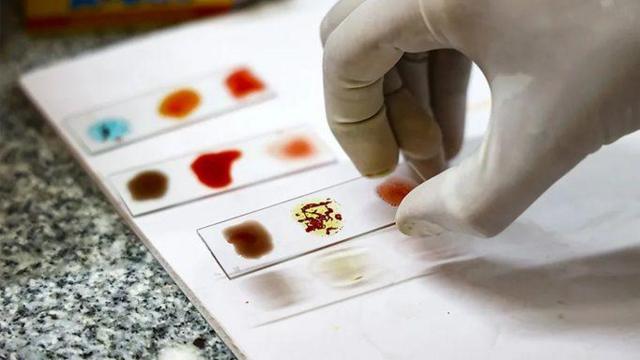

Blood transfusion has become a real revolution in medicine. When we are faced with serious injuries or complex operations, blood donated by another person can be a real lifesaver.
However, not everyone can benefit from this miracle of modern science. It is extremely difficult for people with rare blood types to find donated blood that is perfect for them.
Only one person out of six million has a unique blood type with zero rhesus. Today, scientists are trying to grow it in the lab, hoping that such blood could save lives in the future.
“Golden blood” that almost doesn’t exist
The rhesus-zero blood type is one of the rarest in the world. There are only about 50 such people on Earth.
If they have an accident or need a blood transfusion, and the donor’s blood has other antigens, your body will produce antibodies and attack other people’s blood,” explains Ash Toy, professor of cell biology at the University of Bristol.
“This can be fatal in repeated transfusions.”

Getty Images photo
The strongest immune response is triggered by ABO and Rh blood groups.
Group A has the A antigen, group B has the B antigen, AB has both antigens (A and B), and group O has neither. In addition, each group can be Rh-positive (Rh+) or Rh-negative (Rh-).
It is often said that people with Rh-negative type O are universal donors. But this is a simplification: as of October 2024, there are 47 known blood group systems and 366 different antigens. Even O Rh-negative blood transfusions can cause reactions to other antigens.
It’s especially hard with Rh: there are more than 50 antigens, and when a patient’s blood type is unknown, O Rh null is virtually safe for transfusion. That’s why scientists are actively looking for ways to create it in the lab.
Origin of Rh NULL
Research has shown that Rh null occurs because of genetic mutations that affect the RHAG protein, which is important for red blood cells. These mutations change the shape of the protein and block the expression of other Rh antigens.
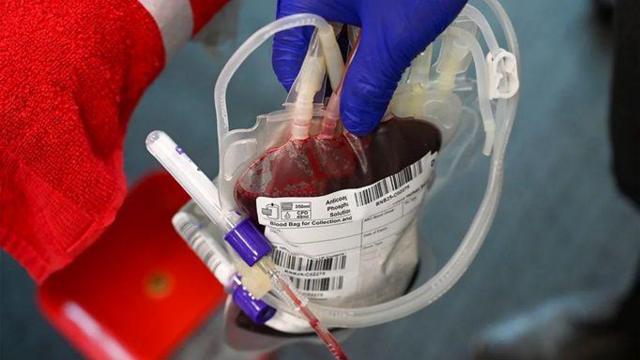
Photo Getty Images
In 2018, Professor Ash Toy’s team from the University of Bristol reproduced Rh null in the lab. They used the Crispr – Cas9 gene editing method and ‘switched off’ the genes of the five blood groups most likely to cause problems with transfusions – ABO, Rh, Kell, Duffy and GPB.
The result was cells compatible with all common and rare blood types, including Rh null and the rare phenotype of Bombay, which millions of people have.
However, gene editing is highly regulated, so the appearance of such blood in clinics will take time, require numerous trials and remains a distant prospect for now.
Labs and donor banks
Ash Toi founded Scarlet Therapeutics, a company that collects rare blood, including Rh null, to create cell lines with common characteristics. This lab-grown “golden blood” can be frozen and stored for emergency use by people with rare blood types.
He hopes to create lab-grown banks of rare blood without using gene editing, although the technology could play an important role in the future.
“If you can get by without gene editing, great. But editing remains an option,” says Toy. good. The main challenge is getting the stem cells to mature into full-fledged red blood cells. In the body, bone marrow gives complex signals that are difficult to reproduce in vitro.
“By creating such blood, cell growth and maturation can be disrupted. The cell membrane could break down, or the cells would cease to produce red blood cells efficiently,” warns Dynome.
The world’s first clinical trial of artificially grown red blood cells in healthy volunteers is currently underway. The blood in this study has not been genetically edited, but it took 10 years to develop.
“For now, it’s easier and cheaper to get blood from donors, so the need for donors will remain for a long time,” Toy says.
“But for people with rare blood types, where there are almost no donors, being able to grow blood in the lab would be a real possibility