

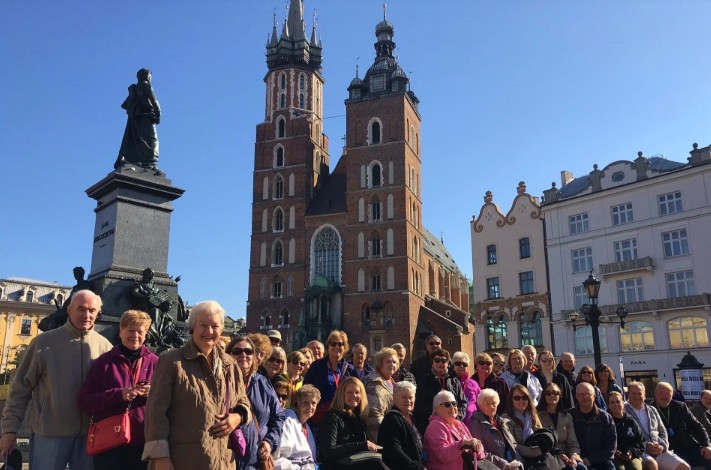

Poland is a destination where history, culture and personal stories meet, and more and more travelers come to explore both its cities and their own family origins. For older visitors the pace of the trip, the quality of hotels and the support of guides matter just as much as the itinerary. In this article we explain what to look for in tours designed for seniors, how ancestry travel works and what a cultural program may include. The examples refer to the offer of Genealogy Tour, a company with more than fifteen years of experience.
What makes a trip suitable for older travelers?
Many people postpone a long journey until retirement, when they finally have time, but they also want to be sure that the trip will be comfortable. Poland tours for seniors differ from standard programs in several ways: the pace is slower, the daily distances are shorter, the hotels are centrally located and the guides are prepared to adjust the plan to the needs of the group. Genealogy Tour, a heritage travel company with more than fifteen years of experience, describes its senior-focused program as a twelve-day journey, or thirteen days for travelers flying from Miami, offered in May and September when the weather is most pleasant. Participants stay in centrally located three- and four-star hotels with buffet breakfast included, travel by air-conditioned minibus and fly with the national airline. The itinerary covers six major cities: Warsaw, Toruń, Gdańsk, Poznań, Wrocław and Kraków, with castles, museums and historic old towns. According to the company, the price includes ten Polish meals plus a welcome dinner, all entrance fees and local guide services, as well as professional genealogical support before and during the trip. English-speaking tour leaders accompany the group throughout. When choosing a program for older travelers, it is worth asking a few practical questions. How much walking is involved each day and are there rest breaks? Are the hotels close to the main sights and do they have elevators? Is the vehicle accessible and how long are the drives between cities? Is there a plan for medical assistance if someone feels unwell? Travelers should also check whether the group size is small enough to move easily through museums and narrow streets. A good operator provides a detailed schedule in advance, offers optional free time and is open to adapting the pace. It also helps to prepare for the season: May and September bring mild temperatures, but a light raincoat and comfortable shoes are always useful. Travel insurance that covers health care abroad is strongly recommended. Travelers should also consider flexibility: a good tour allows time to rest and skip an activity if needed.
Why do so many travelers visit the towns of their ancestors?
Ancestry tourism combines research, travel and emotional discovery. As described by Genealogy Tour, it is travel that helps people understand who they are by visiting ancestral hometowns, churches, cemeteries and archives, places connected with family history rather than typical tourist attractions. A meaningful trip usually requires months of preparation. Travelers search civil records, ship manifests, census data and marriage certificates before departure, and professional genealogists help to interpret documents written in older languages and to assemble fragmented family stories. The journey itself carries emotional weight. Visitors may find gravestones that bear their surname, meet distant relatives who still live in the region or see the village where their grandparents were born. Every trip is unique because every family story is different. Many travelers preserve their experience in family history books, digital archives or recorded interviews, turning personal discovery into a legacy for the next generations. Companies that specialize in this field offer tailored tours with genealogists, translators and local experts across Poland and Eastern Europe, which gives travelers guidance that goes beyond ordinary sightseeing. Before planning such a trip, it is useful to collect everything that is already known: names, dates, places, old photographs, letters and documents that relatives may keep. Even small details, such as the name of a parish or the spelling of a surname in the old country, can help researchers find records. It is also important to remember that borders and place names changed over time, so a village may appear under different names in different documents. Research may take longer than expected, so travelers should leave room in the schedule for visits to archives and for conversations with local people. Many find that the most valuable part of the journey is not the document itself but the feeling of standing in the place where the family story began. Planning also helps: the earlier research begins, the more likely it is that records and relatives can be found before the trip.
What can a guided cultural program in Poland include?
Poland offers a rich mix of medieval towns, royal castles, mountain landscapes and living traditions, which makes it a popular choice for travelers interested in history. Poland cultural tours usually combine visits to major cities with time for local food and crafts. Genealogy Tour presents its flagship offer as an eleven-day Polish heritage expedition through the central and southern regions. The company emphasizes small-group travel with professional English-speaking guides who give historical context at major sites. Key destinations include Kraków, Warsaw, Zakopane and Tarnów, with attractions such as Wawel Castle and the Wieliczka Salt Mine. Travelers stay in three- and four-star hotels with buffet breakfast, move between cities in an air-conditioned minibus and receive airport transfers. The cultural part includes traditional Polish meals and workshops such as pierogi making, and the itinerary balances guided visits with free time for individual exploration. Beyond standard tours, the company offers genealogical research support, trips to Holocaust memorial sites and tailor-made itineraries, as well as preliminary and advanced ancestry research for clients tracing their Polish roots. When comparing programs, travelers should look at the balance between sightseeing and rest, the size of the group and the qualifications of the guides. A good guide does more than recite dates: he or she explains how history shaped the present and answers questions. It is worth asking what is included in the price, such as entrance tickets, meals and tips, and what costs are extra. Choosing a season also matters: spring and early autumn are comfortable for walking, while summer brings long days and crowded attractions. Visitors should remember that some museums close on certain weekdays and that churches may limit access during services. A small daypack, comfortable shoes and a rain jacket make sightseeing easier. Learning a few Polish words is always appreciated by local people. Tours of this kind often include free time, which is a good opportunity to explore local markets and cafes on your own.