

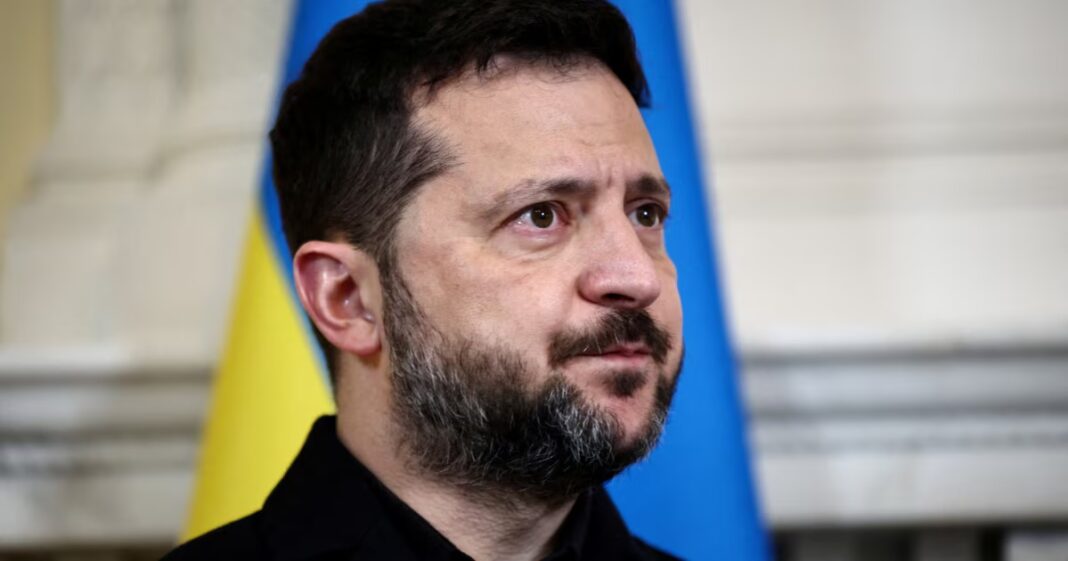

Against a backdrop of growing tensions between Ukraine and Russia, Ukrainian President Volodymyr Zelenskyy found himself at the centre of a diplomatic storm in Brussels. Responding to questions from journalists, the Ukrainian leader hinted that the Ukrainian Defence Forces may continue to strike Russian oil refineries, despite warnings from the United States. Zelenskyy, however, chose not to disclose details of future operations, noting only that their main aim was to respond to aggressive actions against Ukraine.
In recent weeks, the Ukrainian president has come under criticism for his harsh rhetoric directed at the US administration. This followed US President Donald Trump’s announcement of a deal to supply diesel fuel from Russia. Some European diplomats expressed concern at Zelenskyy’s strong words, but he assured them that, at a closed-door meeting of the European Council, he had received nothing but support from his European colleagues.
Zelenskyy emphasised that the issue of strikes against Russian targets must be discussed with Kyiv, particularly given that the strikes are a response to the devastating attacks by Russian forces on Ukraine’s energy infrastructure. According to Axios, the United States has repeatedly called on Ukraine to cease strikes on Russian targets, but Zelenskyy has insisted that this must be preceded by a cessation of attacks by Russia.
Zelenskyy proposed a compromise to Washington: if Russia does not cease its strikes, Ukraine will continue its operations, but is prepared to suspend them if Moscow agrees to a truce in the energy war. In return, Zelenskyy asked for missiles to be provided to Ukraine to defend its energy infrastructure.
In recent days, following the publication of the interview in the Financial Times, Ukrainian forces struck a Russian oil refinery in the Ryazan region, a move that has come to symbolise Ukraine’s determination to defend its interests. The President also expressed concern that the United States had suspended the provision of satellite intelligence, which, in his view, puts Ukraine at a disadvantage.
Zelenskyy’s meetings with Western leaders in Brussels, including talks with NATO Secretary-General Mark Rutte, showed that most European countries support Ukraine in its standoff with Russia. However, some leaders, such as the German Chancellor, chose to refrain from making public comments, emphasising the complexity and multi-layered nature of international diplomacy in the conflict between Ukraine and Russia.