

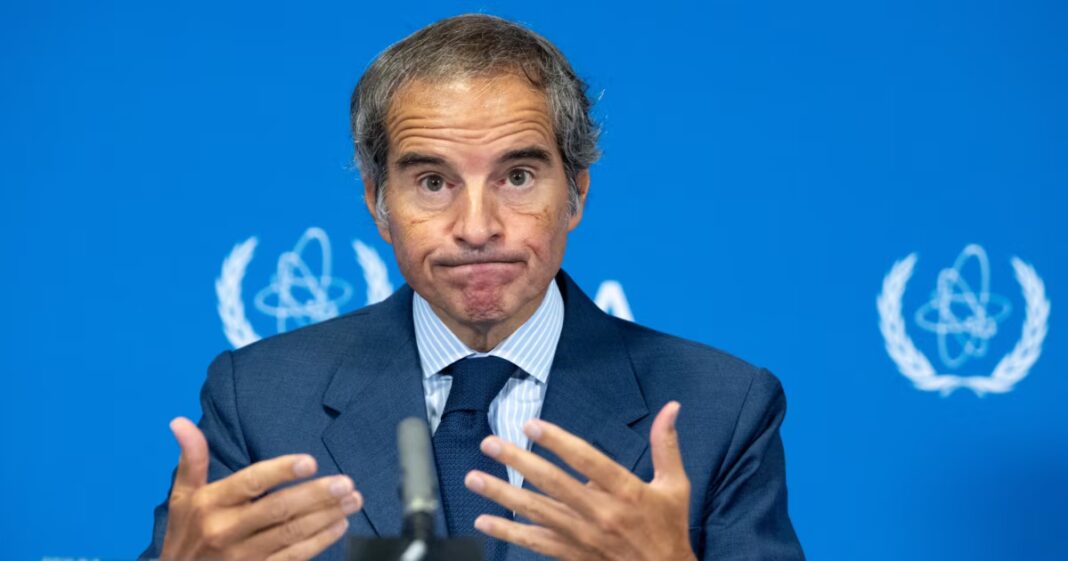

A new drama is unfolding in Vienna concerning Iran’s nuclear programme, involving the highest-level international bodies. Rafael Grossi, Director General of the International Atomic Energy Agency (IAEA), speaking at a meeting of the Board of Governors, expressed his deep concern over the lack of access to Iran’s nuclear facilities.
It is noteworthy that the access issue arose after the United States and Israel carried out strikes on a number of Iranian facilities in the summer of 2025. Since then, Tehran has refused to cooperate with the IAEA, citing national security measures as the reason. This situation has led the international community to ask: what is actually happening behind the closed doors of Iran’s nuclear facilities?
Grossi urged Iran to engage constructively, emphasising the importance of diplomacy and negotiations in resolving the situation. He noted that without transparency and cooperation, it is impossible to ensure compliance with international safeguards, which, in turn, could lead to global nuclear instability.
The situation in Iran has a long history. In recent decades, the country’s nuclear programme has repeatedly been the focus of international attention, raising both hopes for a peaceful outcome and fears regarding the possible military use of these developments.
Now that Iran is denying the IAEA access, the international community faces a difficult challenge: how to prevent escalation and avoid a new wave of tension in the Middle East? It is not only Rafael Grossi who will be seeking an answer to this question, but the entire international community.