

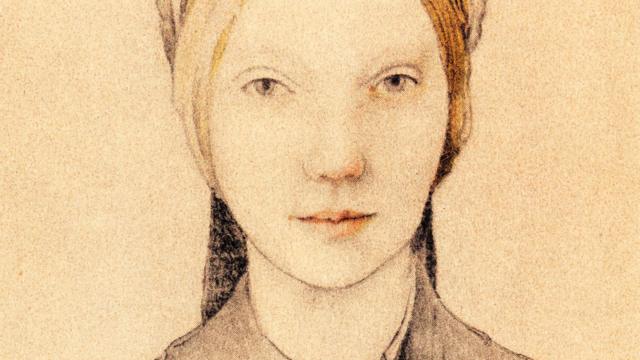

Sixteenth-century English aristocrat Jane Boleyn was accused of shocking treason by her husband as well as two of Henry VIII’s cronies, her sister-in-law Anne Boleyn and Catherine Howard.
But was she a “sex-crazed” spy, as the prosecution claimed, or a convenient scapegoat for the tyrant’s cruelty?
Philippa Gregory’s new historical book, The Boleyn Traitor, explores her story.
In the court of the changing King Henry VIII, no one was safe, and confidants of queens and courtiers quickly changed their allegiances.
Maid of honour Jane Boleyn served five queens, including her husband’s sister Anne Boleyn and her cousin Catherine Howard, both of whom were executed by King Henry VIII.
“She has long been portrayed as a traitor who managed to survive in suspicious circumstances when everyone’s ‘The Other Girl of the Boleyn Family’ and since then there have been some wonderful new biographies about her,” Gregory tells the BBC.
“For any fan of Tudor history, she’s an enigma, right at the centre of the story and, against all odds, surviving Boleyn’s downfall.”
Jane Boleyn, née Jane Parker, was born around 1505. She was the daughter of a baron who served as chamberlain at the court of Henry VIII and translated Italian Renaissance texts for the royal court.
She arrived at court at the age of only 11, having been made maid of honour to Henry VIII’s first wife, Catherine of Aragon.
There she became acquainted with the Boleyn family. In her early 20s, she married favourably to George Boleyn, whose sister Anne – in an unexpected turn of events – was Queen of England during Culpeper’s reign rolled first, and Catherine and Jane were led to the scaffold two months later. They were executed in the Tower of London one after the other on the morning of 13 February 1542.
Evidence suggests that Jane, while serving the king, was indeed a participant in secret liaisons.
But Gregory believes that Jane was hated not so much because of her actions as because of the “prejudices” with which they were explained.
“Her reputation changes with each new generation of historians who have their own view of women,” the writer tells the BBC.
“In the earliest documents, Jane was portrayed as none other than a skilful duenna (companion to an aristocrat),” she says. But later moralistic Victorians saw her involvement in the novel as “proof that she was a ‘bad’ woman”.
Caught up in scandals
Jane’s presence during the couple’s dates of her incest with her own brother George. And it seemed that this was reported to the king by none other than George’s wife, Jane, who must have been jealous of the sibling’s intimacy.
Historians’ assumptions, dating back to Elizabethan times, that Jane and Joroge were unhappily married added to the motive of Jane’s version of infidelity.
The scandal caused George and Anne’s heads to fly – a good decision for the king, whose attention at that point had already turned to Jane Seymour. Henry VIII hoped that Seymour could succeed where Anne had failed – to produce a much-needed male heir.
“The fact that Jane was the only one in the Boleyn family to remain in office after the execution of her husband and sister-in-law has led to widespread speculation that she was involved in their downfall. In fact, there is very little evidence of this,” Tracy I women,” Gregory says.
It was this ambition that brought her back to the dangerous court after her banishment in 1534 for conspiring with Anne Boleyn to eliminate one of the king’s mistresses. She also returned in 1536 shortly after her death sentence – a decision that cemented her reputation as a traitor.
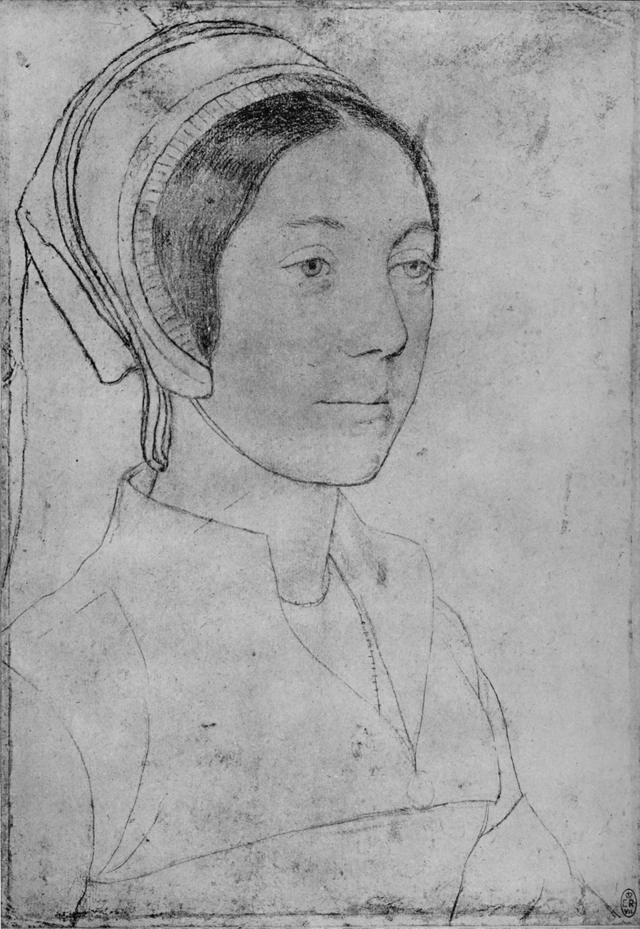
Author photo, Alamy
Perhaps Jane’s biggest mistake in moving her love of court life was to confide in its most powerful patriarchs.
Both Thomas Howard (when she was too young) and later Thomas Cromwell (who, when she was widowed and financially insecure, most likely facilitated her return to court) offered her their patronage in the hope that Jane would reveal information about the royal courts at which she served.
This circumstance apparently led to her being branded a spy.
“That deceived Henry and led to the deaths of Anne and George. Such accusations make no sense to Fox, however, since Jane had so much to lose.
“Why would she stigmatise her husband, especially when the financial consequences of such a move would be devastating,” she writes.
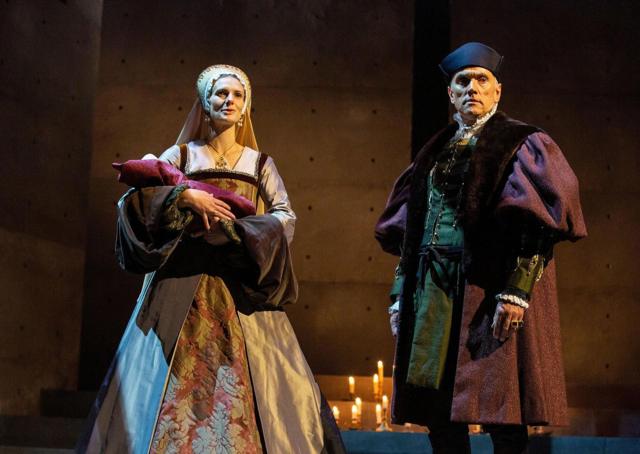
Author photo, Alamy
It was profitable to vilify Jane long after her death, as Elizabeth I sought to bolster the legitimacy of her rule by restoring the reputation of her mother Anne Boleyn.
For example, George Wyatt’s biography The Life of the Virtuous Christian and Glorious Queen Anne Boleyn, published in 1817 but written in the late 1500s, describes Jane as “a wicked wife who blamed her own husband and even sought his blood.”
Playwrights throughout the centuries have followed suit.
For example, in the poem ‘Lane’ urges us to condemn not Jane but the power structure surrounding her.
“This is a novel about tyranny,” says Gregory, and “a rule that concentrated power in the hands of one man, and very few people had the courage to speak out against it.
Gregory’s telling of Jane’s story is far from moralistic, where the villain meets her end. It is more of a warning that the danger was recognised too late.
“Jane’s awakening in the novel occurs when she realises that tyranny must be confronted as it begins to blossom,” says Gregory.