


The next, 21st package of sanctions against Russia, which is currently being prepared by the European Union, will probably not include a complete ban on maritime services related to the transport of Russian oil. This is reported by the American publication Politico with reference to its own sources, according to which the package may be agreed upon as early as next week.
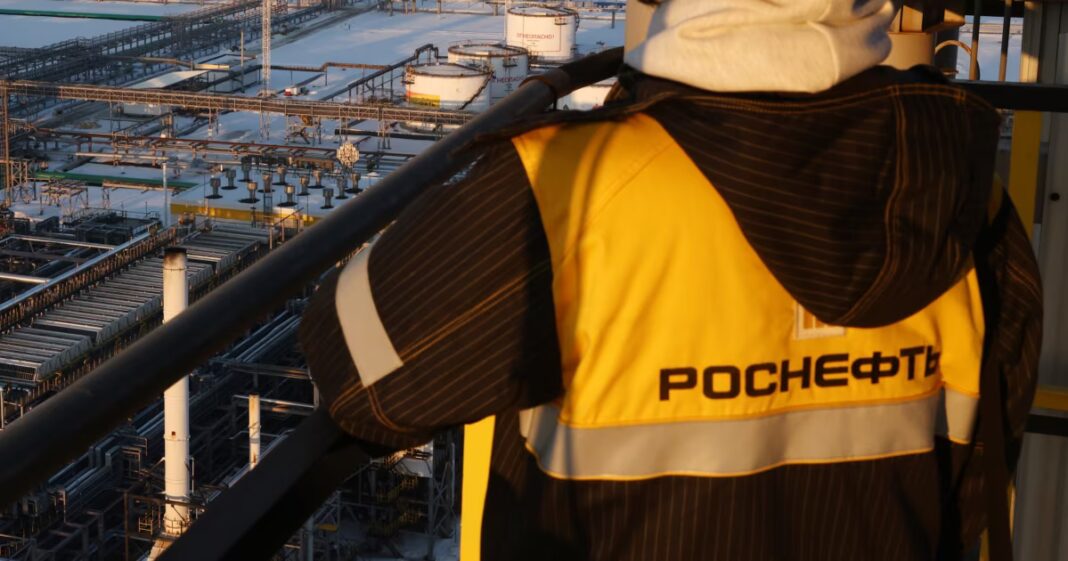
However, it will still include measures against the Russian oil sector. We are talking about sanctions against Lukoil and Rosneft, as well as expanding the list of sub-sanctioned vessels of the Russian shadow fleet and the fight against providing them with various services, including insurance.
Rosneft is now banned from entering into agreements in the EU, while sanctions against LUKoil so far concern only subsidiaries. In the 21st package, sanctions against these companies could be tougher, up to freezing all their assets in the bloc.
The day before, Politico published an investigation into the Russian shadow fleet, which shows that tankers that are part of it, despite the sanctions, receive the necessary insurance services through intermediaries, including those associated with European organisations that provide reinsurance services. This makes it difficult to implement the sanctions policy.
“The infrastructure that the bloc wants to shut down, including insurers, banks and maritime service providers, may still pass through Europe’s own financial markets,” it said.
The new package is also expected to enshrine a ceiling on Russian oil prices – likely to remain at the current level of $44.10 a barrel, despite higher prices on the global market due to the conflict in the Middle East. Technically, the “ceiling” is a ban on European companies from providing insurance and transport services for oil priced above the cap.
According to Politico, the possibility of including Patriarch Kirill of the Russian Orthodox Church in the sanctions list is also being discussed. Under Viktor Orban, this step was blocked by Hungary, but now this position may change.
On 23 April, the EU Council unanimously approved amendments to the EU’s multi-year budget, necessary for the allocation of a 90 billion euro loan to Ukraine, as well as the 20th package of sanctions against Russia. The Cypriot presidency of the EU Council announced the completion of the relevant written procedures, which lasted more than a day.