

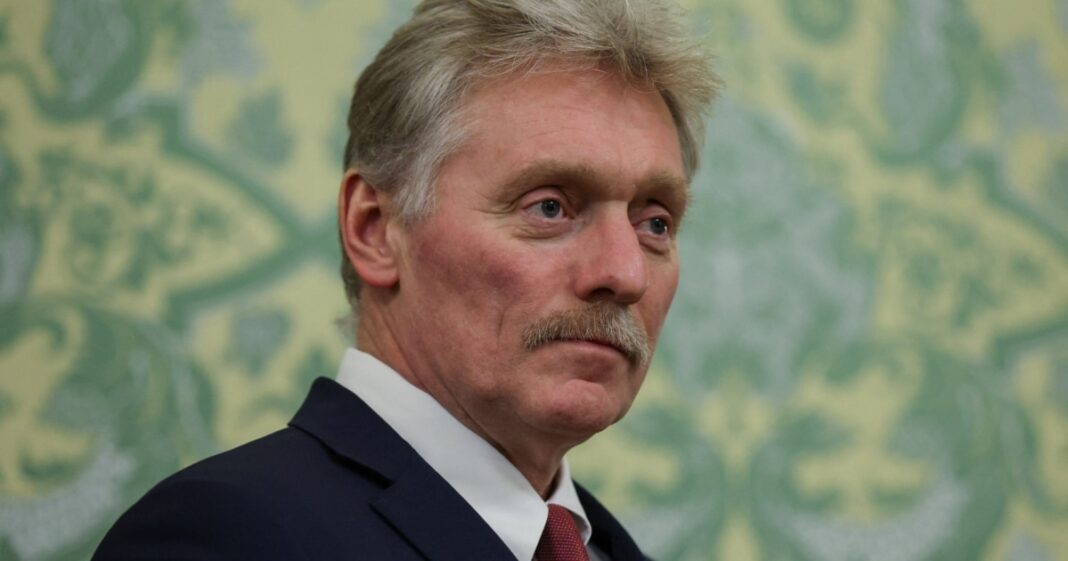

On 24 February, the Kremlin said that the terms of the next round of talks on ending the Russian Federation’s war against Ukraine have not been set yet, but Russia expects them to be extended.
Earlier, the Russian state-run TASS news agency wrote that the next round of talks in Geneva might take place on 26 February.
Kremlin spokesman Dmitry Peskov said when asked whether Moscow believes that the conflict can be resolved through negotiations, “We continue our efforts to achieve peace, our position is very clear and consistent. Now everything depends on the actions of the Kiev regime.”
At the same time, the Kremlin said the decision by Western countries to help Ukraine in its opposition to the Russian invasion had turned the SWO into a “much broader confrontation” with Western countries that Russia believes want to destroy it.
According to Peskov, Russia has not yet achieved the goals of the “special operation” in Ukraine, so it continues.
During January and February, there were several rounds of trilateral meetings between Ukraine, the US and Russia on ending the war. No specific results were reported. However, as a result of the meeting on 5 February, the delegations reached an agreement on a prisoner-of-war exchange – the first in five months.
US President Donald Trump’s special envoy Steven Witkoff said in an interview with Fox News the day before that he expects “good news” in the coming weeks, and also admits that Ukrainian President Volodymyr Zelensky will meet with Russian leader Vladimir Putin.
The US President himself said before the talks in Geneva on 17-18 February that Ukraine should “get to the negotiating table quickly”. Trump has previously said that he believes Russia wants an agreement amid the war in Ukraine. He also regularly claims to have good relations with the Russian leader.
Despite US efforts to mediate an end to the war, Russia has shown no willingness to back down from its tough demands, which include Ukraine giving up territories in Donbass. The Kremlin continues to reject Western security guarantees for Ukraine and has signalled compliance with its maximalist goals in the war, ISW analysts noted earlier.
Meanwhile, Ukraine insists on strong security guarantees from the United States and European allies to help protect it from future Russian aggression.