


Iranian and U.S. officials began talks in Oman on 6 February, seen as a last-ditch effort to avert a major military escalation in the Persian Gulf.
U.S. Special Envoy Steve Whitkoff, who has been President Donald Trump’s negotiator in meetings aimed at ending wars from the Gaza Strip to Ukraine, is leading the U.S. delegation in the 6 February talks with Foreign Minister Abbas Araqchi and several other senior Iranian officials.
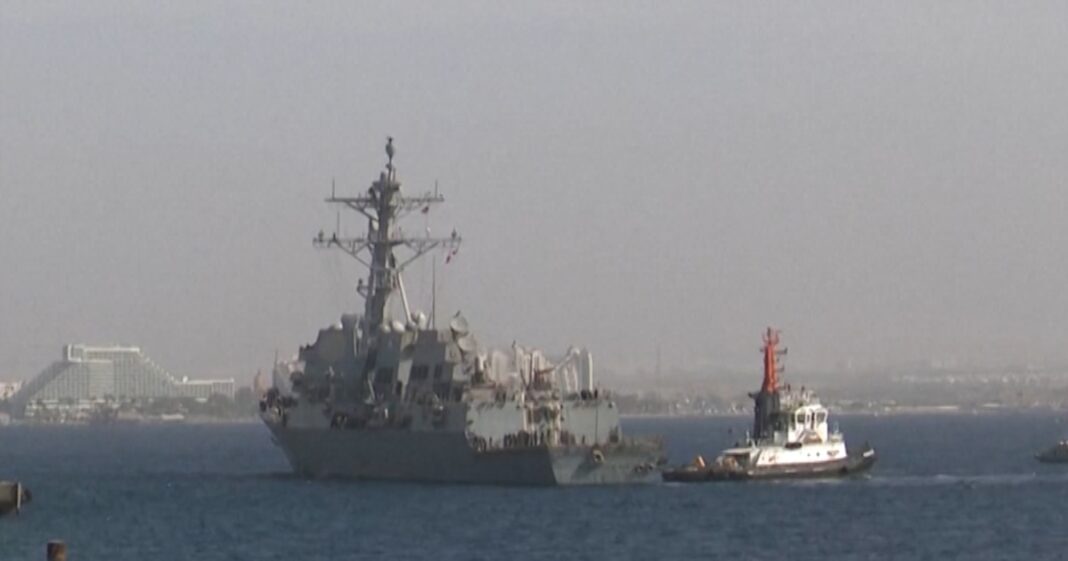
The exact agenda for the talks remains unknown. The stakes of the talks are high, given that Washington has been moving warships into Middle Eastern waters in recent days.
“As these talks continue, I would like to remind the Iranian regime that the president has many options at his disposal other than diplomacy as commander-in-chief of the most powerful military force in the history of the world,” White House spokeswoman Caroline Leavitt told reporters on 5 February.
Large-scale protests swept Iran in late December and January. At first protesters made demands related to the economic crisis, and later slogans against the government began to be heard. Iranian authorities launched a brutal crackdown on the protesters, which human rights groups say has led to the deaths of thousands of civilians.
US President Donald Trump has threatened to strike Iran if any of the tens of thousands of arrested protesters are executed.
Trump continues to consider military options, although he has also focused on curbing Iran’s nuclear programme, which the West says is aimed at building weapons despite Tehran’s claims that they are for civilian purposes only.
Iran’s Supreme Leader Ayatollah Ali Khamenei “should be very concerned,” Trump said in an interview with US television station NBC News on 4 February.
Secretary of State Marco Rubio, speaking in Washington on 4 February, made clear that the United States is not interested in a narrow conversation “just on nuclear issues.” Rubio reiterated that while the White House is willing to engage, he has set the bar high for what is considered a successful meeting.
“For the talks to really lead to anything meaningful, they have to include the range of their ballistic missiles, sponsorship of terrorist organisations and the treatment of their own people,” Rubio told reporters.
Iranian Foreign Ministry spokesman Esmail Bakaei said Iran has a “responsibility not to miss an opportunity to use diplomacy to … preserve peace and tranquility in the region.”