

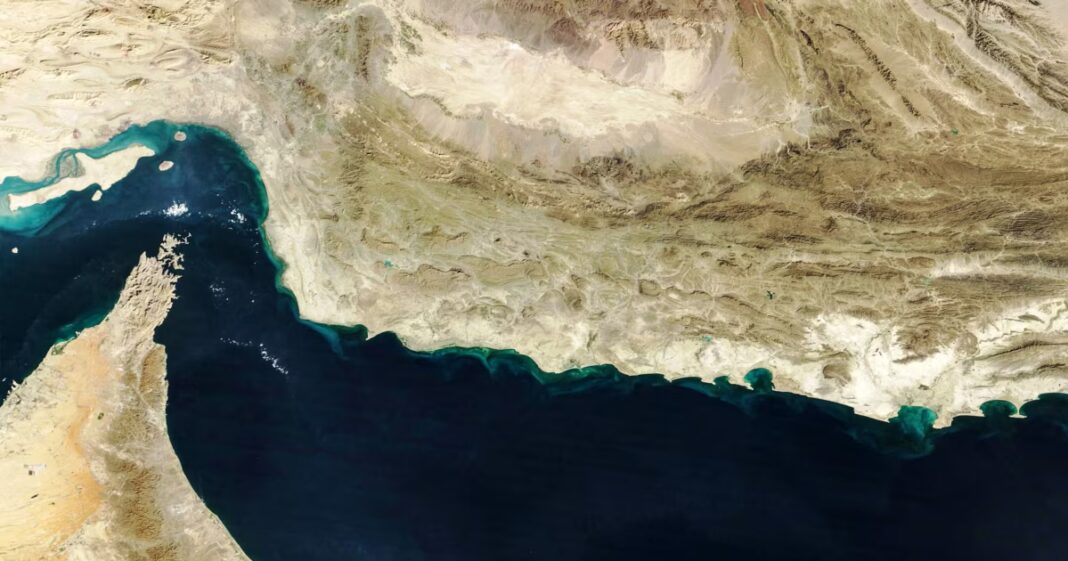

Twenty-one ships passed through the Strait of Hormuz over the weekend, Bloomberg reported, noting that this is the record traffic since the beginning of the US-Israeli war with Iran.
According to the agency, 13 vessels travelled from the Persian Gulf to the Arabian Sea, with another eight in the opposite direction. Most of the vessels were Iranian, but one tanker from Iraq was also recorded passing through the strait. Over the past few days, Iran has allowed several Indian liquefied natural gas (LNG) tankers, as well as ships from Japan, China, Turkey, Greece and Thailand to pass through the strait.
Prior to the fighting, Bloomberg notes, an average of 135 ships a day passed through the Strait of Hormuz.
About one-fifth of the world’s oil supplies passed through the Strait of Hormuz until 28 February. Iran effectively closed the passage of ships through the strait after the outbreak of war, which was one of the main reasons for the sharp rise in global energy prices.
At the end of March, Iran announced that it would charge a fee for passage through the Strait of Hormuz from states to which it would grant the status of “neutral”. Ships from “friendly” countries – Pakistan, China, Russia, India and Iraq – will be able to pass through the strait free of charge under the Iranian authorities’ plan.
US President Donald Trump on 4 April announced a demand for Iran to open traffic through the Strait of Hormuz in the coming days, threatening to “bring hell” down on the country. At first, Trump wrote that Iran must comply with the demand in no later than 48 hours, but later the US President named another deadline – no later than 20:00 on 7 April, United States East Coast time (that’s 3:00 on 8 April, Kiev time).