


The World Health Organisation (WHO) is closely monitoring the situation with a new, significantly fouled variant of coronavirus that has already been detected in 23 countries.
Cases of infection with the Cicada strain, officially labelled BA. 3. 2, have been recorded in the USA, Hong Kong, Mozambique and the UK, among others.
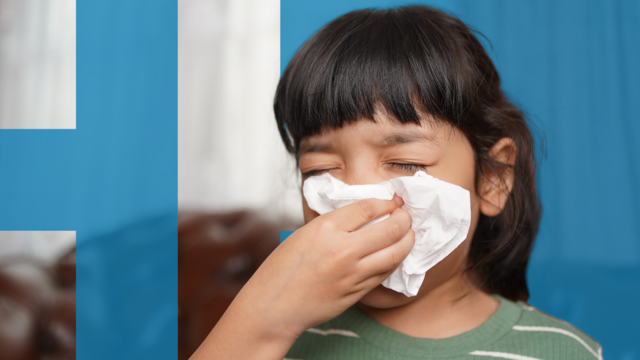
Despite the significant number of mutations, there is no reason to believe that this variant is more dangerous than the previous ones. At the same time, experts draw attention to an interesting trend: children seem to be infected with it more often than adults.
So the main question remains open – is “Cicada” really a cause for concern, is it just another stage in the long evolution of the virus, which the world has already learnt to live with?
What is known about Cicada?
Author photo, Getty Images
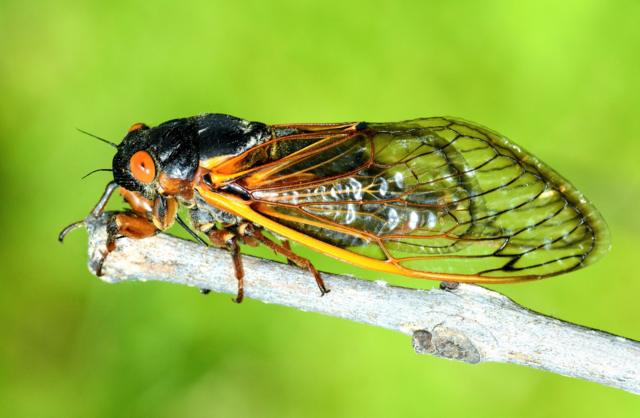
BA strain. 3. 2, unofficially named “Cicada”, was so named because of its peculiar behaviour after its discovery. In some parts of the world, it seemed to “freeze” and did not actively spread for a long time – like cicadas that can lie dormant underground for years.
Last month, the US Centre for Disease Control and Prevention (CDC) reported cases of infection in 25 US states.
The report notes that the variant BA. 3. 2 was found in nasal swab samples from four travellers, in clinical materials from five patients, and in 132 wastewater samples – one of the indirect but important tools of epidemiological monitoring.
The World Health Organisation (WHO) at this time placed the strain in the “under surveillance” category. This means it needs increased surveillance, and experts are investigating whether it could pose a significant threat to global public health.
Are children really more susceptible to this strain?
An analysis of case data in New York City suggests: children are more likely to test positive for BA. 3. 2 may be higher than in adults.
At the same time, scientists themselves note caution in interpreting these data. As noted by Professor Ravindra Gupta from the Cambridge Institute of Therapeutic Immunology and Infectious Diseases, the results have not yet been peer-reviewed and have not yet been officially released. However, he says, the overall picture “looks compelling.”
There are several hypotheses that could explain this trend. One is that it is difficult for the human immune system to recognise Cicada, because it is a relatively new variant that the body has not encountered before.
Gupta notes that children’s immunity is generally less “trained” because children have not yet had time to come into contact with a large number of different viruses and variants of COVID-19. Consequently, their immune response may be weaker.
At the same time, adults develop a more sophisticated antibody system over the years, which helps them to fight infections more effectively. It is this accumulated immune experience that may partly explain the difference in susceptibility to the virus.
Another hypothesis being considered by the researchers links the possible higher incidence of disease in children to significant mutations in the virus protein, which may affect its ability to enter the body and “bypass” immune defences.
Gupta’s team is collecting samples from children to conduct further research to understand more precisely why this particular variant seems to affect younger patients more often.
How do the symptoms manifest?
So far, there is no evidence to suggest that Cicada causes a more severe course of illness than other COVID-19 variants.
“There are also no specific symptoms that occur more frequently,” notes Professor Paul Gunther, an epidemiologist at the University of East Anglia.
In general, COVID-19 can present with a wide range of symptoms: fever, cough, sore throat, stuffy nose, fatigue, headache, body brokenness, shortness of breath and diarrhoea.
“The virus affects the same cells regardless of the strain… So the symptoms you feel are more or less the same,” explains virologist Iain Jones from the University of Reading in Britain.

Author photo, Getty Images
Why has this variant mutated so much?
All viruses undergo mutations over time, but RNA viruses, which includes COVID-19, change particularly quickly.
The US Centers for Disease Control and Prevention (CDC) has characterised the strain BA. 3. 2 as “highly divergent.” This means that it differs significantly from the original Omicron variant.
According to virologist Ian Jones, such mutations can make it harder for the virus to be recognised by the immune system and partly allow it to bypass already established immunity.
“The virus is clearly succeeding: it is bypassing antibodies in people’s bodies, and so the number of infections is gradually increasing,” he adds.
Will the vaccine work?
Because of these mutations, COVID-19 vaccines may become less effective in protecting against the Cicada strain. At the same time, experts note: available vaccines still offer some level of protection against this variant.
“You can get infected, but the disease is likely to be mild,” explains Ian Jones.
According to the WHO, about 67 per cent of the world’s population has been vaccinated against COVID-19 to date.
However, access to updated booster vaccines specifically tailored to the new strains is highly dependent on the region and its resources.
Jones adds that pharmaceutical companies are only likely to develop a separate updated version of a vaccine specifically targeting Cicada if there is a surge in cases or complications of the disease.
Should we be worried?
Epidemiologist Paul Gunther notes that the emergence of new COVID-19 variants is not in itself unexpected.
“We will continue to see the emergence of new strains for as long as there are humans on the planet. It is unlikely that SARS-CoV-2 will ever completely disappear,” he adds.
At the same time, the expert emphasises: an increase in the number of cases of infection with the Cicada strain does not necessarily mean an increase in the overall COVID-19 incidence or mortality rate.
“New variants will appear regularly and may cause another waves of morbidity, but most likely we will continue to see a decrease in the number of severe cases and deaths,” he notes.
In December, the WHO said there was no evidence yet of an increase in severe illness, hospitalisations or deaths linked to Cicada. The organisation also rated the public health risk as low.
“COVID-19 has now become one of the common winter respiratory infections, and people just need to consider that,” Ganter said. – If they think the vaccine might be beneficial, they should get vaccinated.”
At the same time, at-risk groups – including people over 65, immunocompromised patients and those with chronic illnesses – can take the infection much harder.
“It is important to seek medical help in time if a child already has lung or heart disease or immune deficiency,” notes Ravindra Gupta. – But in most healthy children, the disease should go away on its own.