

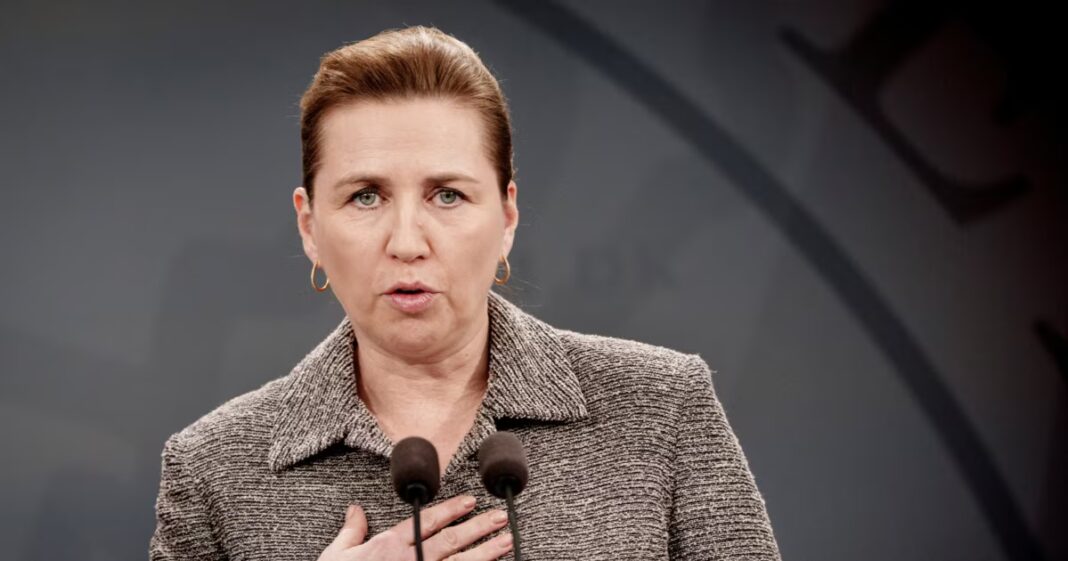

Serious concerns have once again been raised in the European political arena regarding the current situation between Ukraine and Russia. Danish Prime Minister Mette Frederiksen, whilst attending the EU summit in Brussels, shared her thoughts on the talks with Ukrainian President Volodymyr Zelenskyy, which took place the day before. The focus was on the growing tensions caused by recent statements from the United States.
Frederiksen noted that financial support for Ukraine was under threat. She said the country was already facing a shortage of funds, which was having a significant impact on its defence capabilities. She emphasised the need for an urgent solution to this problem and called on the EU to find additional resources, proposing the use of frozen Russian assets to aid Ukraine. However, as she noted, some EU countries are blocking this proposal, whilst Denmark supports it.
Frederiksen paid particular attention to comments made by Donald Trump, who stated that he found it easier to see eye to eye with Vladimir Putin than with Zelenskyy. The Danish Prime Minister expressed her disagreement with this view, emphasising that Zelenskyy, as a democratically elected leader, has every right to defend his country’s interests. She also expressed scepticism regarding claims of possible cooperation with Russia on ending the war.
Frederiksen reaffirmed Denmark’s commitment to continuing military support for Kyiv, including the development of cooperation in the field of drones and missiles. This, she said, would not only help Ukraine but also strengthen the security of the whole of Europe.
For his part, Trump’s comments on the need to hold elections in Ukraine provoked a strong reaction. Zelenskyy replied that holding elections in the midst of a military conflict is extremely difficult. He proposed holding them only on condition of a 60-day ceasefire, to which the Kremlin has already responded with a refusal.
The situation continues to escalate, and more and more leaders are expressing a desire to find a way out of the current crisis. However, as experience shows, diplomatic solutions are hard to come by, and only time will tell whether Europe and the international community will manage to reach a consensus.