

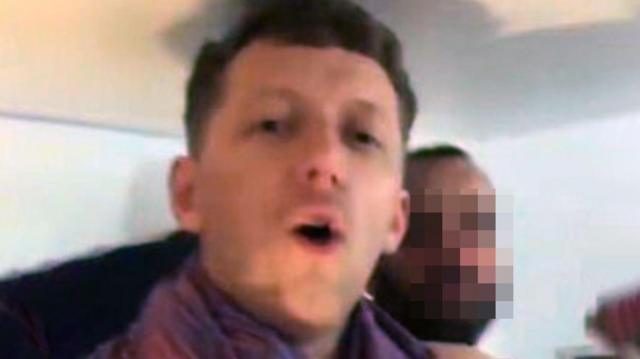

Margaret McCallum was sure she had said goodbye forever to Ben McCulloch – the husband who killed her brother – when he was sentenced and sent to prison four years ago. But he has recently reappeared in her life – now via phone screens and social media.
In photos and videos that have circulated the internet, he appears shirtless, smiling as if at a party right in his cell.
McCullough poses nonchalantly with another man convicted of murder.
The caption to the photo sounds downright cheeky: They’re dead and we’re alive, ha ha.
Margaret admitted to the BBC that she felt a momentary flash of rage.
‘It’s absolutely knocking you off balance,’ she says. – You think it’s all behind you, that you don’t have to live with it any more. And suddenly he’s here again, brazen, like he’s deliberately rubbing it in our faces.
How can he even invade again? He did this to us, and he’s bragging about it.
Your device does not support media playback. Injuries to Margaret’s younger brother, 26-year-old Stephen Quingley.
Before the tragedy, the men were close friends and spent a lot of time together.
After the attack, McCulloch left Steve outside the hospital late at night when no-one was around. He tried to make his own way to the emergency room but was found without signs of life by hospital staff in the morning.
We had to go and identify him,” Margaret recalls. – He had nothing on him: no keys, no phone, no wallet. Just a body.
And she adds: ‘And Ben himself was in the same hospital a few hours later – just a few steps away. He could tell everything.

Photo by Margaret McCallum
Prison, phones and TikTok
The BBC previously reported that McCullough was among the prisoners illegally using mobile phones in the institution.
Videos of inmates having fun and likely using drugs have been popping up on social media, particularly on TikTok.
In one such video, a prisoner mockingly remarks: Who says it’s hard to live in prison?
Despite the ban on mobile phones in prisons, their use happens very often, although it should result in disciplinary sanctions or even criminal liability.
According to a spokesman for the prison system, such devices enter prison illegally – and they can cost up to £5,000.
What happens when he gets out?
McCullough was initially charged with the murder of Stephen Quingley, but he struck a deal with the investigation and pleaded guilty to the lesser offence of manslaughter.
He received nine and a half years in prison.
For Margaret, it became a life sentence – an enduring pain.
This man had been in our house, in my mum’s house… And now we have to live with that.
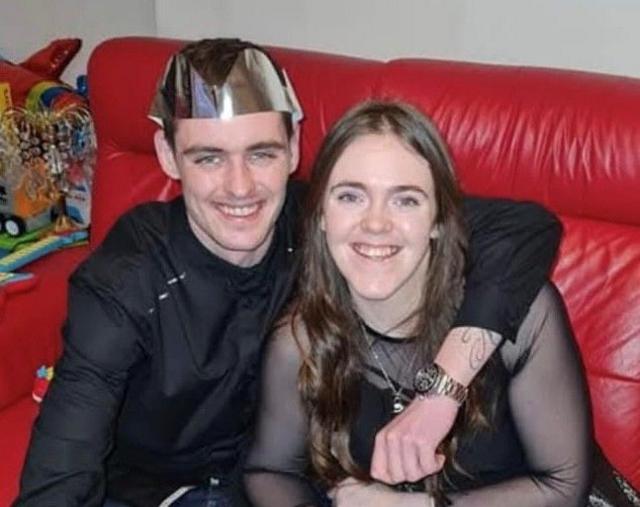
Author photo, Margaret McCallum
According to the BBC, McCullough was also found guilty of additional offences of unlawful use of a telephone.
However, his sentence will not increase: the punishments often happen at the same time.
Margaret doesn’t believe he’ll change: He’s likely to end up back behind bars. I don’t think he’ll learn a lesson from this.
She admits she supports the idea of a law banning inmates from sending messages and posting content that hurts victims’ families.
I just want his time in prison to have meaning,” she says. – Prison is supposed to change a person so they can rejoin society.
Authorities’ response
A prison spokesman said such incidents are taken extremely seriously and any prohibited items found are immediately handed over to the relevant authorities.
The Prison Service also said that it realises how traumatic such videos are for the families of victims and tries to prevent phones from entering institutions.
The Scottish Government, for its part, has said that the illegal use of mobile phones remains an operational management issue for the prison system, with plans to invest more than a billion pounds over the coming years to develop prison infrastructure and improve working conditions for staff.