


Arakchi also called for the establishment of a regional security framework involving the Gulf states, Iran and Iraq, without the presence or interference of countries from outside the region. He welcomed Iraq’s proposal to hold a regional meeting.
The Iranian representative’s comments came against the backdrop of a likely breakdown in the ceasefire between Iran and the United States in the early hours of 28 June. Both sides accuse each other of violating the temporary agreement aimed at ending months of hostilities.
The day before, Iran had carried out strikes on territory in Bahrain and Kuwait. Other countries in the region – Saudi Arabia, Qatar and Jordan – condemned the strikes, describing them as violations of international law and threats to regional stability.
In a statement published by Iranian state media, the Islamic Revolutionary Guard Corps stated that the strikes targeted US military facilities in Bahrain and Kuwait, including those associated with the US Fifth Fleet.
Speaking to Reuters, a US official confirmed the attacks on American facilities but noted that there were no reports of casualties or significant damage. The official added that the situation remained under control.
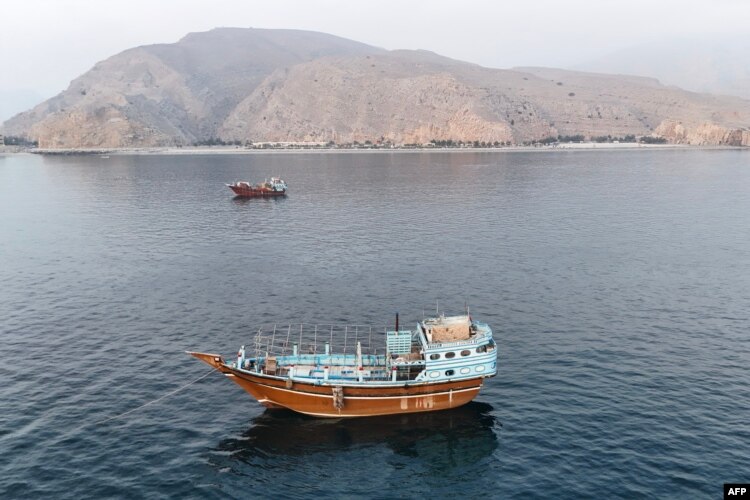
The overnight escalation followed US strikes on Iranian military targets several hours earlier, which, according to Washington, were carried out in response to Iranian attacks on commercial shipping in the Strait of Hormuz – a critically important global energy corridor.
The exchange of strikes took place a few days after the entry into force of a framework agreement between Tehran and Washington, which had eased tensions following months of conflict triggered by US and Israeli strikes on Iran.
Iran and the US intend to resume technical talks in Switzerland following the signing of a memorandum of understanding aimed at ending the war in Iran and across the Middle East, including Lebanon.