

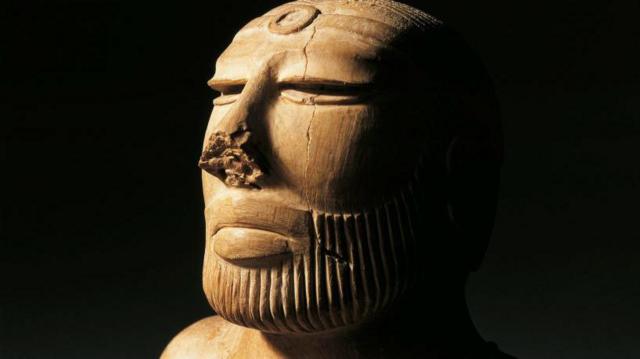

Photo by DEA / A Dagli Orti via Getty Images
Imagine a city: flat blocks, multi-storey brick houses, elaborate sewage systems and even flush toilets.
Sound like 21st century urbanism?
It’s actually the Indus or Harappan civilisation (also called the Indus Valley Civilisation), and it’s over four thousand years old.
It developed in parallel with Ancient Egypt and Mesopotamia, leaving behind cities – and yet many questions.
We still can’t read their texts. And perhaps we still underestimate how modern their thinking was.
There is reason to believe that their society may have been much fairer than that of their neighbours.
Who were they?
The Indus civilisation reached its height between 2600 and 1900 BC, although its origins go much deeper than that – it’s not just engineering – it’s engineering.
It wasn’t just engineering – it was thinking.
Residents understood the value of hygiene, water control, and urban comfort.
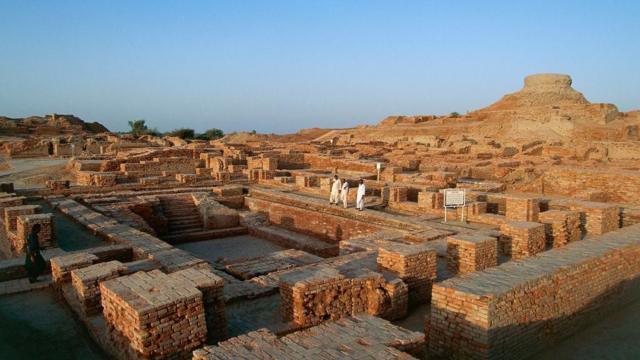
Photo by DEA / W Buss via Getty Images
The density of the cities facilitated the supply of goods and developed trade.
“Their trade links extended to Mesopotamia: they sold and traded timber, beads, copper, gold and cotton cloth,” adds Ramesh.
2. Collective governance
The organisation of cities indicates a well-established system of governance.
“The urban infrastructure was maintained by an efficient government,” notes Ramesh.
“Governance was collective rather than centralised. Archaeologists have found no palaces or other signs of a privileged elite.”
Limage/Corbis photo via Getty Images
Unlike Egypt and Mesopotamia, where the
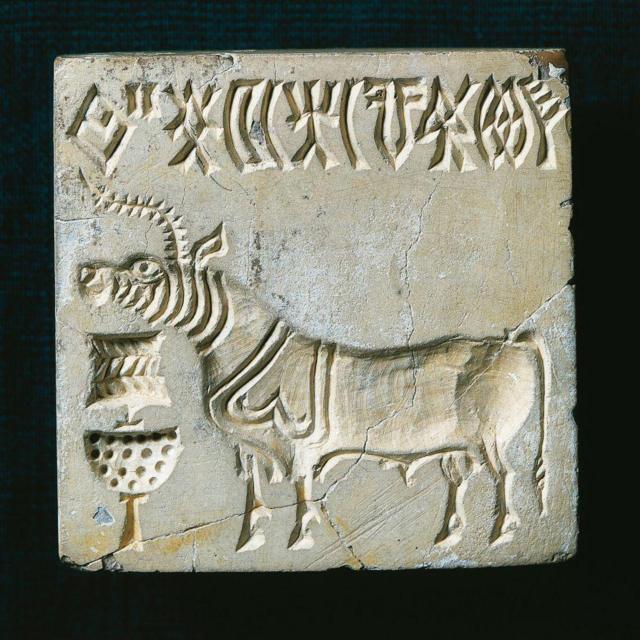
Photo DEA / G Nimatallah via Getty Images
At the same time, computer analysis shows that there is logic and rules in the writing that open the door to a wealth of knowledge about the beliefs, trade and life of the civilisation.
The answer is out there somewhere. But we still haven’t found the key, says Sangaralingam Ramesh.
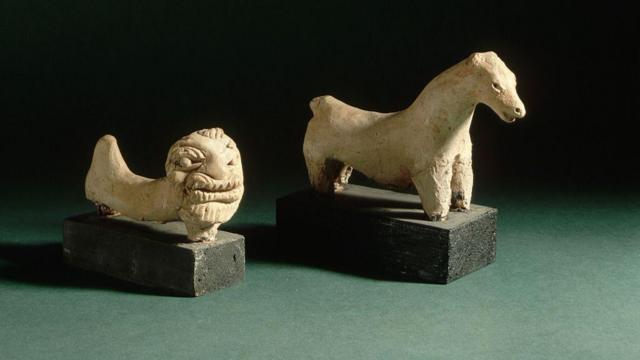
Photo by Angelo Hornak/Corbis via Getty Images
Why did they disappear?
The main theory is climate change.
Around 1900 BC, cities began to decline and people gradually abandoned them. Archaeologists attribute this to a change in the monsoon,” says Ramesh.
The winds changed their rhythm, the rivers and rains became erratic and unpredictable, disrupting the order of life.
At Mohenjo-Daro, archaeologists have found evidence of attempts at flood defence.
According to the scientist, understanding these events is important for modern times