

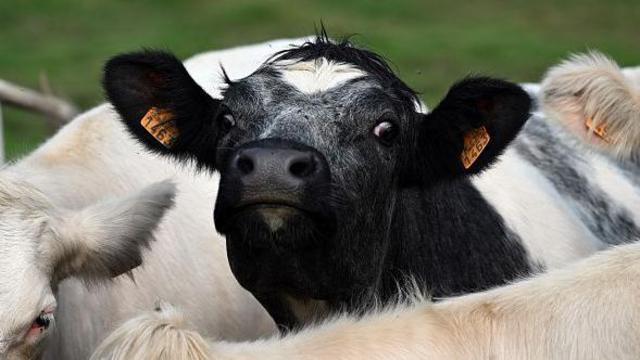

A case of a virus dangerous to cattle, blue tongue, or catarrhal fever, also known as blue tongue, has occurred in Northern Ireland.
This virus affects ruminants such as cows, sheep, goats, deer, camels, llamas, alpacas and other horned animals.
The disease is named after a characteristic symptom: in severe cases, the tongue and mucous membranes of animals swell and turn blue due to internal haemorrhages and lack of oxygen.
According to the Department of Agriculture in Northern Ireland, the abattoir virus was detected in two cows on a farm in County Down on 29 October.
The virus does not threaten humans or affect food safety, but it can be fatal to animals. In addition, bluetongue outbreaks lead to lengthy restrictions on the movement and trade of livestock.
We tell you what it is then Getty Images
Cows often look lethargic, with erosions around their mouths and noses. Their eyes, mouth and nose turn red, they lose their appetite and give less milk.
Adult animals can carry the virus for several weeks without even showing symptoms.
The disease is particularly dangerous to offspring: if a pregnant female becomes infected, her goats or lambs may be born weak, small, blind or with physical defects. Sometimes miscarriages or stillbirths occur.
Horses, pigs and dogs are not susceptible to the disease and remain out of danger.
How the disease spreads
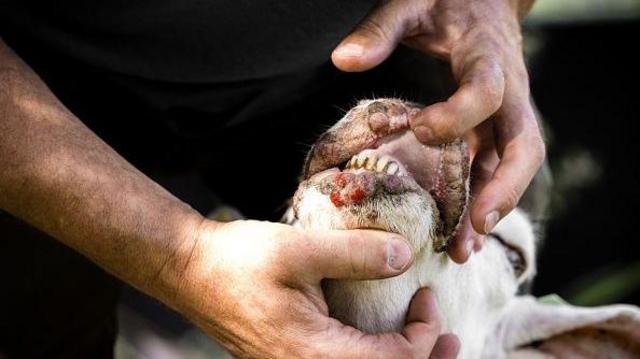
Photo Getty Images.
Bluetongue is not transmitted directly from animal to animal. It is carried by tiny biting midges called culicoides.
They land on a sick animal, become infected with the virus, and then bite healthy ones and transmit the infection.
The insects spot, others die soon after infection.
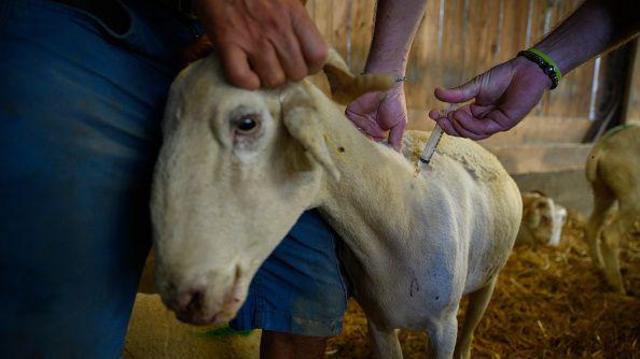
Photo by Getty Images
According to the World Organisation for Animal Health (WOAH), the virus spreads where wetlands live and can persist in regions with mild winters.
Countries where cases have been reported include Tunisia, Nigeria, India, Pakistan, Bangladesh, China, Indonesia, Lebanon, Spain, Portugal, Australia and the United States.
In some countries in Africa, Asia and Latin America, bluetongue is common. The virus circulates there continuously, outbreaks recur year after year and are predictable.
In Northern Ireland, they plan to test 20 farms to monitor the spread of the disease.
Is there a vaccine available?
Yes, vaccines against bluetongue exist and are in use in the US, India, UK, China and Malaysia.

Photo by Getty Images
) “Preventive vaccination is the best way to control it,” explains veterinarian Claudia Salazar.
But she says the feasibility and effectiveness of vaccination depends on many factors: the economic situation, the working conditions of farmers and the availability of the vaccines themselves. In countries where the disease has been prevalent for a long time, there are often no clear rules on how to deal with it.
Global warming and climate change are expanding the virus’ territory. Warmer winters and wind changes help insects reproduce faster and carry the disease to new areas.
The greatest risk is for regions that have not experienced the virus before,” Salazar said. – They need preventive vaccinations, animal control, quarantine and regular testing.
Countries officially free of bluetongue practice a strict approach: infected animals are often dispersed and how quickly its authorities respond to the threat.