


Against the backdrop of the complex geopolitical situation in Europe, a statement was made that caused quite a stir. Michal Kudelka, Director of the Czech Security and Information Service (BIS), speaking at a major international conference, raised the alarming possibility of Russia carrying out acts of sabotage against NATO countries in the coming months.
Among the dangerous scenarios outlined by Kudelka, were acts of sabotage against facilities supporting Ukraine, drone or missile strikes on depots containing weapons intended for Ukrainian troops, and, in the worst-case scenario, even limited military operations against alliance members. Although there is no immediate threat at present, the situation could change, particularly if Russia announces a new wave of mobilisation.
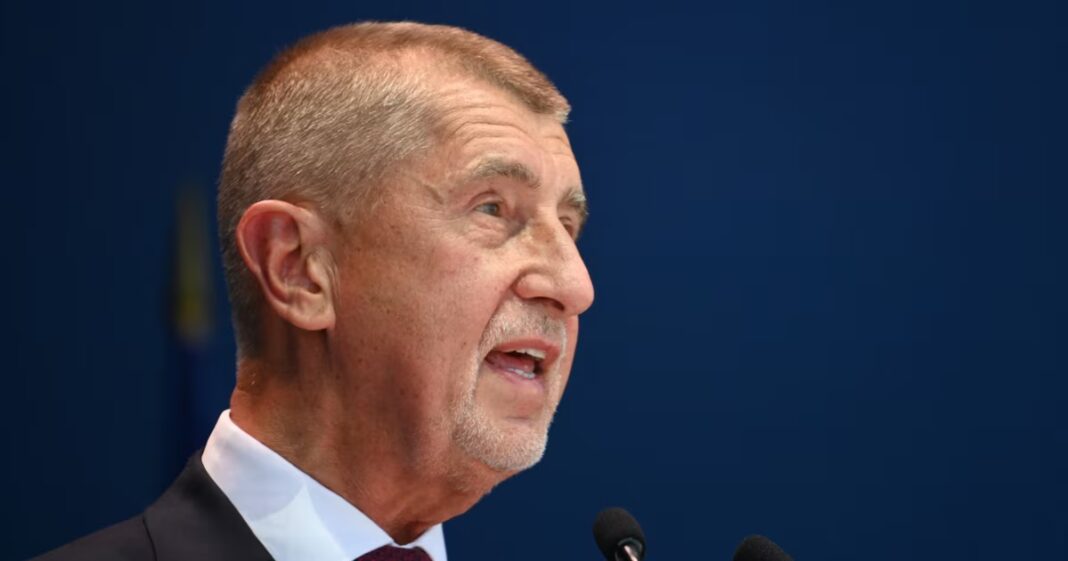
This statement provoked a strong reaction both within government circles and amongst the opposition. Czech Prime Minister Andrej Babiš expressed dissatisfaction that such information had been made public and called on the head of counter-intelligence to be more cautious with his public statements. However, the former Czech Foreign Minister Jan Lipavský, now an opposition MP, disagreed with the Prime Minister, emphasising the need to speak openly about the Russian threat.
The history of relations between the Czech Republic and Russia has already seen instances of tension. In 2014, two people were killed as a result of an explosion at an ammunition depot in Vrbětice, the Czech Republic. Years later, in 2024, the Czech police confirmed that officers from the Russian military intelligence service, the GRU, were behind these events.
Against the backdrop of such incidents and international pressure, Russia continues to maintain that it has no plans to attack European countries and has no connection to acts of sabotage. However, the statements by the Czech authorities merely highlight the fragility of the current international situation and the need to remain vigilant even in relatively peaceful times.