


In recent days, the Black Sea has become the scene of new incidents that are causing concern in international circles. Bulgarian Prime Minister Rumen Radev reported a series of attacks on commercial vessels, describing them as “utterly unacceptable”.
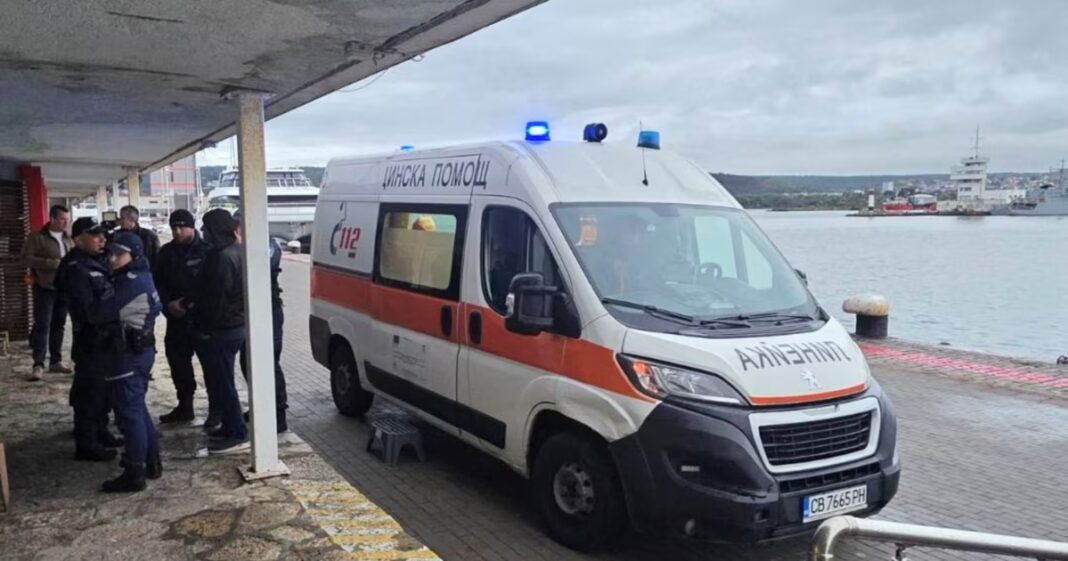
The first vessel to be attacked was the Chelsea 3, registered in Odessa and flying the Maltese flag. It was attacked by three unmanned aerial vehicles whilst it was 18 nautical miles from the Bulgarian town of Byala. There were 15 crew members on board — citizens of Ukraine and Azerbaijan — who were swiftly evacuated to the port of Varna. However, five of them require medical attention.
Radev noted that Bulgaria immediately informed its allies in NATO and the EU, and is now actively seeking support in investigating these incidents. The question of the drones’ origin remains unresolved, and Bulgaria is hoping for international assistance in strengthening surveillance of its airspace and territorial waters.
The second attack, according to the Prime Minister, took place 17 nautical miles from the village of Krapets. The vessel struck by the attacks sank, and only one crew member was rescued.
At present, Bulgaria does not have sufficient evidence to attribute responsibility to any country with certainty. However, Radev notes that this situation may be to Russia’s advantage and intends to meet with the Russian ambassador to clarify the matter.
Ukraine’s Foreign Minister Andriy Sibiga has called on the international community to tighten sanctions against Russia, following which attacks on Ukrainian and international vessels have become more frequent. The Russian side has so far refrained from commenting on the situation.
It should be recalled that tensions in the Black Sea have escalated, particularly following the recent sinking of the Maltese vessel Alfa Watan, whose crew have still not been found. Moscow insists that these actions are a response to Ukrainian attacks on Russian ships. Russian President Vladimir Putin, despite international concerns about a possible famine due to reduced grain supplies, has refused to negotiate a ceasefire. The situation in the region remains extremely tense, and the international community is monitoring developments with growing interest.