

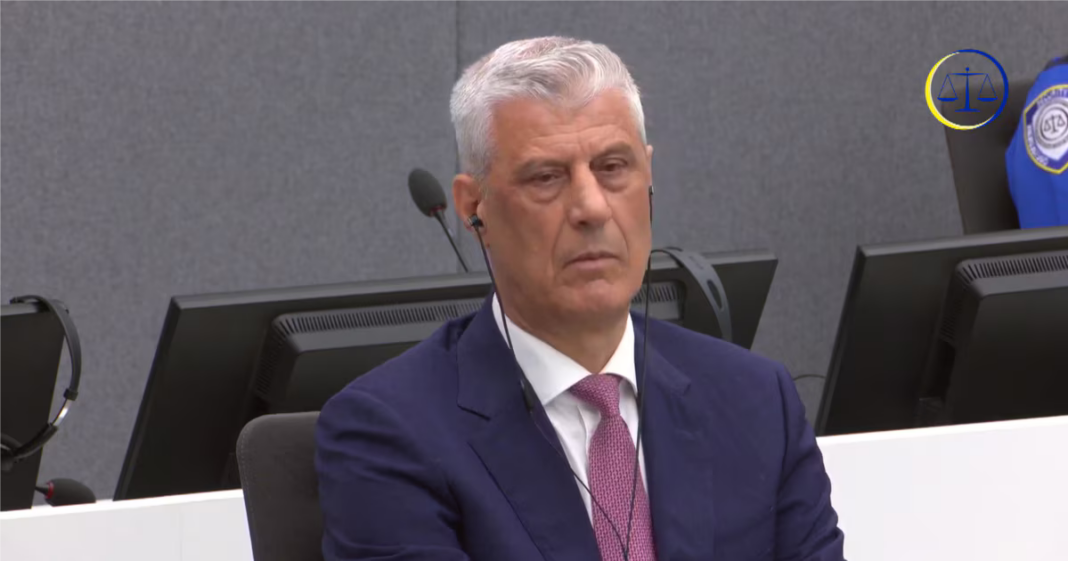

On 16 September, an event of significant international importance took place in The Hague: the International Tribunal handed down its verdict on the former President of Kosovo, Hashim Thaçi. He was found guilty of war crimes and sentenced to 25 years’ imprisonment. This verdict was the result of a lengthy trial, which also involved three other former leaders of the Kosovo Liberation Army.
Hashim Thaçi, 58, once a charismatic leader, was at the forefront of Kosovo’s struggle for independence in the late 1990s. At that time, he was commander of the Kosovo Liberation Army, which fought against Serbian forces. However, his actions during those years have now become the subject of legal proceedings. Alongside Thaçi, other high-ranking figures from that era also appeared before the tribunal.
Kadri Veseli, who served as chairman of the Democratic Party of Kosovo, was sentenced to 18 years’ imprisonment. He was found guilty of numerous war crimes, including unlawful detention and torture. Recep Selimi, a former MP, was also charged with ill-treatment and torture. Jakup Krasniki, the former Speaker of the Kosovo Parliament, received the same sentence as Thaçi – 25 years.
These verdicts marked the culmination of lengthy investigations that led to the establishment of the truth about the events of the 1998–1999 war in Kosovo. Many believe that these court rulings could be an important step towards reconciliation and justice for the victims of the conflict. But how will the Kosovar public react to this ruling? The answer to this question could have a significant impact on the region’s future development.