

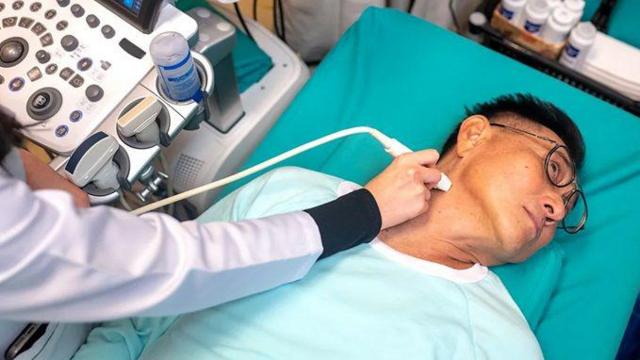

Getty Images photo
In many countries, thyroid cancer is growing faster than most other cancers.
For example, in the United States, this type of cancer is “outpacing” all other cancers in terms of growth rate.
What is behind this “mysterious epidemic” and why is it happening?
The thyroid gland: why it is needed and how cancer develops
The thyroid gland is located at the base of the neck, just below the Adam’s apple.
It produces hormones that regulate:
Thyroid cancer occurs when its cells begin to divide uncontrollably, forming a tumour. These cells can invade neighbouring tissues and sometimes spread throughout the body.
Although most cases of thyroid cancer are treatable, doctors are concerned about the rapidly increasing incidence.
According to Russia it has risen dramatically.
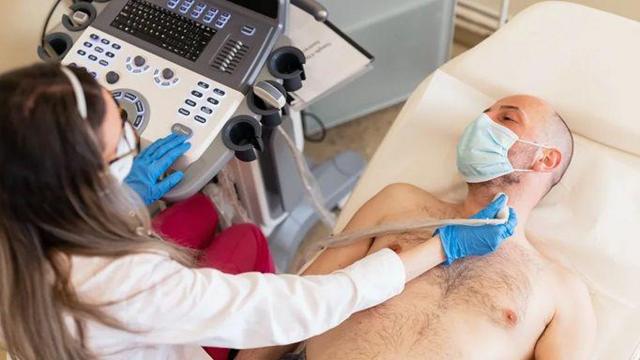
Photo by Getty Images
In Japan, a study found that among survivors of the atomic bombings of Hiroshima and Nagasaki, about 36 per cent of thyroid cancer cases since 1958 were linked to childhood radiation exposure.
But there were no major nuclear disasters in the US in the 1980s and 1990s, so this does not explain the rising incidence there.
More accurate diagnosis
In the 1980s, doctors first started using ultrasound of the thyroid gland, which allowed them to detect very small tumours that had previously been undetectable on routine examinations.
In the 1990s, they began using fine-needle biopsies to take cells from suspicious nodules and test them for cancer.
“Before, doctors would just look at the gland for nodules,” explains epidemiologist Kari Kitahara of the National Cancer Institute of tumours that previously could not be felt with the hands.”
Other data also support the diagnostic hypothesis. For example, thyroid cancer incidence has increased while mortality rates have remained stable.
In South Korea, incidence rose sharply after a national screening programme was launched, and then fell when the programme was scaled back.
“This suggests that many tumours will probably never cause symptoms or be life-threatening,” Kitahara says.
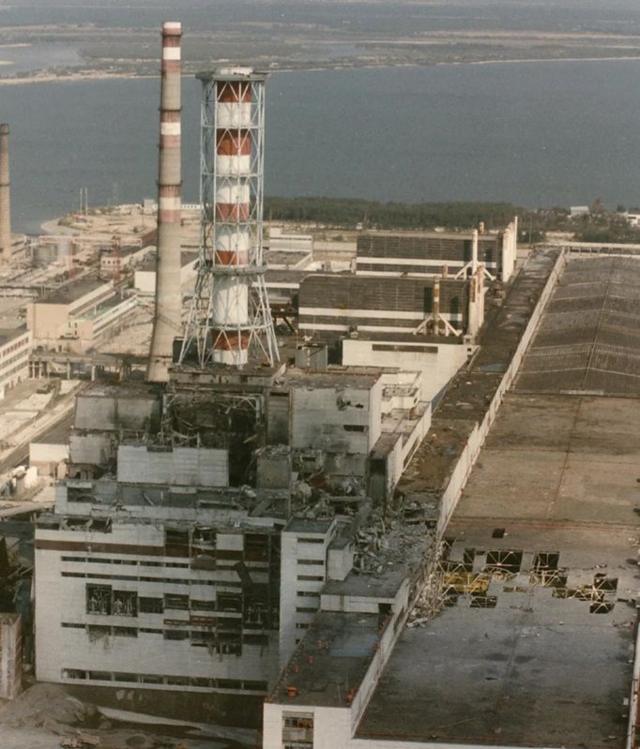
Getty Images photo
Small papillary tumours grow slowly, respond well to treatment and are rarely fatal. But earlier pre-diagnosis has led to unnecessary surgery: removal of the entire thyroid gland and subsequent radioactive iodine therapy, sometimes causing vocal cord paralysis and a yearly rate of 13.9 new cases per 100,000, and 14.1 per 100,000 in 2022.
Prediagnosis doesn’t explain everything
Some scientists believe that the increase in incidence cannot be explained by pre-diagnosis alone.
Professor Riccardo Vigneri from Italy points out that if only accurate diagnosis were the cause, the incidence should have increased more in high-income countries with better diagnostic facilities. But the increase is also seen in middle-income countries.
“Thyroid cancer cases are rising even where there is no large-scale screening,” adds Sanziana Roman of UCLA.
“Larger and more aggressive tumours are more likely to be diagnosed. This means that increased incidence is also associated with a real increase in the number of patients.”
Mortality and aggressiveness were agnostic, but so was mortality. And this was the case regardless of tumour size and stage – so it’s not just about better diagnosis of small nodules.
In 2017, Kitahara and her team looked at the medical records of more than 77,000 people diagnosed between 1974 and 2013. Most of the increase in cases was attributed to small papillary tumours in the thyroid alone. But at the same time there was an increase in more serious tumours that had spread to other parts of the body.
Although deaths are rare, they are increasing by about 1 per cent a year.
“This shows that other factors are influencing the growth of more aggressive tumours,” Kitahara stresses.
Weight matters
One of the main risk factors is obesity, which has been on the rise since the 1980s, especially in the US and developed countries.
Investigated, they show that people with a high body mass index (BMI) are 50 per cent more likely to get thyroid cancer.
Obesity is also associated with more aggressive tumours: large tumours or those with mutations that promote the spread of cancer.
“Our study shows that a high BMI increases the risk of dying from thyroid cancer,” Kitahara notes.
“This confirms that it’s not just about better diagnosis. Obesity itself influences the development and progression of cancer.”
Scientists say the mechanisms of these processes are not yet well understood, but it is known that obese people are more likely to have thyroid problems.
Elevated levels of TTG (thyroid hormone), inflammation and insulin resistance can increase the risk of cancer.
Other factors
Some scientists infections, which may increase the risk of the disease.
Scientists estimate that about 3,500 cases of thyroid cancer per year in the United States may be linked to CT.
“The young thyroid is more vulnerable to radiation than adults,” Kitahara says. “Thus, the increase in CT scans may have contributed in part to the increased incidence of thyroid cancer in the United States and other countries.”
Probably all of these factors are acting simultaneously, pointing out say the scientists.
“It seems that we are dealing with a multifactorial phenomenon where environment, metabolism, nutrition and hormonal influences interact together with hereditary predisposition,” concludes expert Sanziana Roman.