

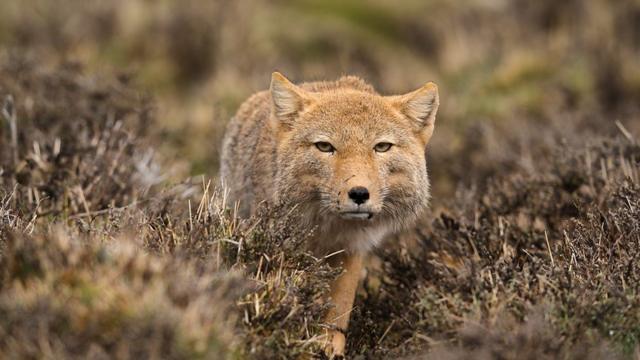

“Is this fox finally going to get anywhere?” – social media users joked about the video of the animal, which has been appearing in news feeds almost every minute for the past few days.
The few-second video of the fox stepping forward persistently and interestedly has become a hit on Threads and other networks.
This particular snippet could be created by artificial intelligence. However, a Tibetan fox with unusual features does exist and has long been a mime.
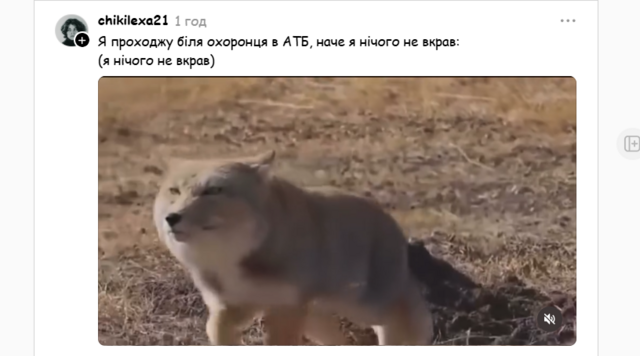
Author photo, Threads/chikilexa21
This animal has gained popularity on social networks, as its muzzle looks like a distrustful person “knows something” and “already tired of life”.
The fox in particular is also popular on social media in Japan, with some travel agencies offering tours to Tibet to meet the animal in the wild.
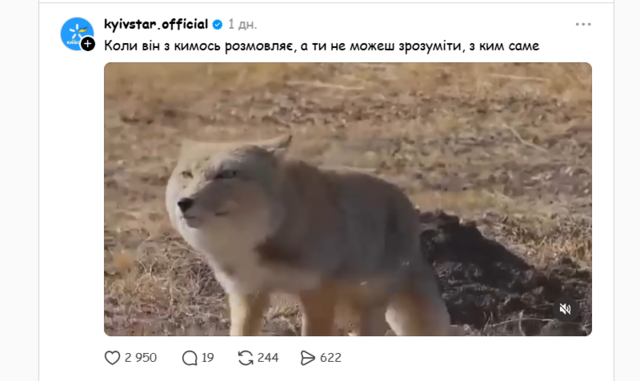
Author photo, Threads/kyivstar.official
It is known that the world first saw the Tibetan fox en masse for the first time in the iconic BBC series Planet Earth (first season, 2006), in a series called.
It was footage from this series, where the fox sits and stares off into the distance with a look of indifference, that became the first mimes.
The internet began using the fox’s face as the perfect reaction face.
The unperturbed expression of this animal’s face in the lens of BBC cameramen made it a social media star.
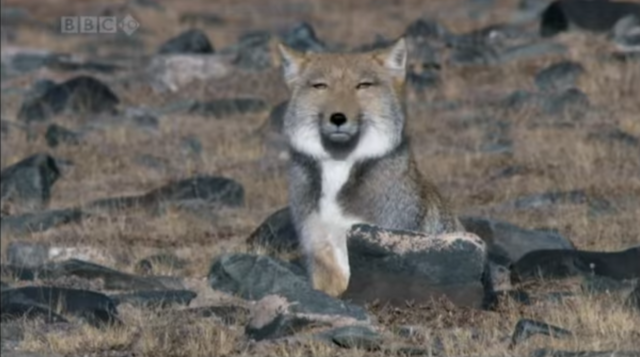
The Tibetan fox, also known as the Tibetan sand fox, is a distinctive hunter at high altitudes in the Himalayas and one of the least known members of the canine family.
Tibetan fox: what is known about this animal
Tibetan foxes are a new discovery. They were first spotted in India only in 2005.
Thanks to its narrow muzzle and fluffy cheeks, the Tibetan fox has a narrow jaw and concave forehead, and its fangs are much longer than those of other foxes.
These animals are known for their distinctive ‘square’ heads – this shape is created by their thick fur and well-developed jaw muscles, vital for hunting rodents.
The short sand also visually reinforces this square resemblance. There is speculation that their flat faces are the result of adaptation to the harsh winds that constantly blow across the Tibetan plateau.
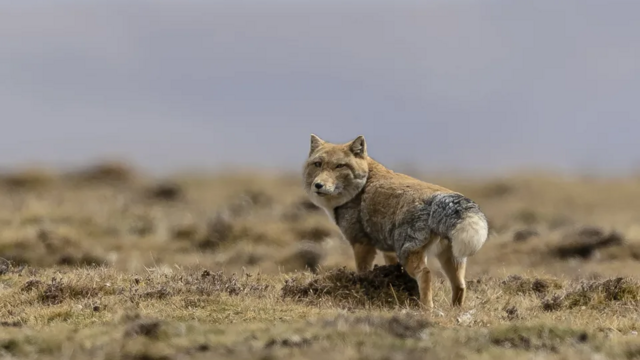
Author photo, Getty Images
The fox inhabits the Tibetan plateau, Nepal, China, Bhutan and parts of India.
It chooses high-altitude regions, usually inhabiting areas between 3,500 and 5,300 metres in altitude.
The animals have adapted well to the harsh, cold and arid conditions of the highlands. Although they mostly lead a solitary lifestyle, Tibetan foxes can form hunting packs with their partners.
Tibetan foxes predominantly hunt sands (a genus of rodents of the hare series), but also marmots, hares, rabbits, small ground birds and lizards.
They also feed on carrion – carcasses of large mammals – and may even form mutually beneficial alliances with brown bears when hunting.
Bears dig burrows, and foxes grab prey as it tries to escape.
Because there are few trees in the landscapes they call home, Tibetan foxes tend to live in underground dens. There they hide from predators.