

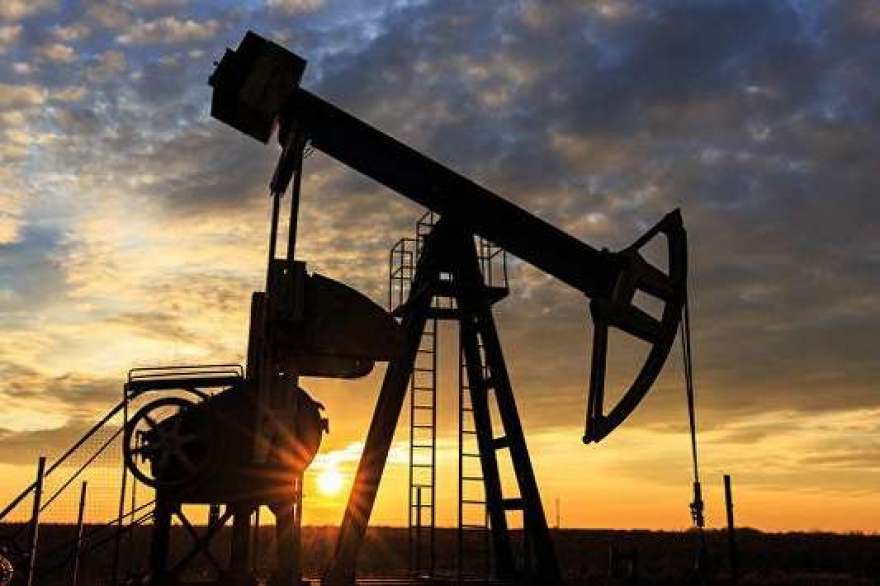

Global oil production is set to fall by at least 3 per cent this year, according to Wood Mackenzie’s half-yearly review.
“However, given the current conflicts, these estimates are still preliminary,” warns the consultancy firm. Its January forecast had predicted an increase in production of a similar magnitude.
In the Middle East, Iraq has been hit hardest, falling short of output by up to 3 million barrels per day, notes WoodMac.
Meanwhile, global LNG supplies via Qatar this year will fall by at least 2 per cent (in January, an increase of 8 per cent had been expected), according to the July review.
Despite this, the Middle East remains critical for the renewal of oil and gas companies’ asset portfolios. According to WoodMac, “no other region can match it in terms of economies of scale and production costs”.
Assuming an average Brent crude price of $90 per barrel, global oil and gas companies could generate a cash flow of $495 billion in 2026, the new review notes. This is more than double the January forecast, which was based on a Brent price of $60 per barrel.
More than half of the new projected cash flow – $272 billion – is attributable to the 49 largest companies in WoodMac’s selection. This is equivalent to 70 per cent of their aggregate investment for the current year; however, neither a significant increase in capital expenditure nor a surge in share buybacks has been observed as yet.
Moreover, the consultancy expects the total volume of share buybacks by these 49 players to fall by around 5 per cent this year.
“Most players, in light of market turbulence, have adopted a ‘wait-and-see’ approach, preferring to accumulate cash on their balance sheets rather than return it to shareholders or increase investment,” says Tom Ellacott, senior vice-president for corporate research at WoodMac.
According to him, high oil prices are easing the financial pressure on companies, but do not resolve the production challenges expected in the coming decade.
Between 2030 and 2040, the 155 companies tracked by WoodMac will reduce production by an average of 30 per cent, or 32 million barrels of oil equivalent per day (excluding Middle Eastern state-owned companies). The report states that more than 70 companies will halve their production at the very least.