

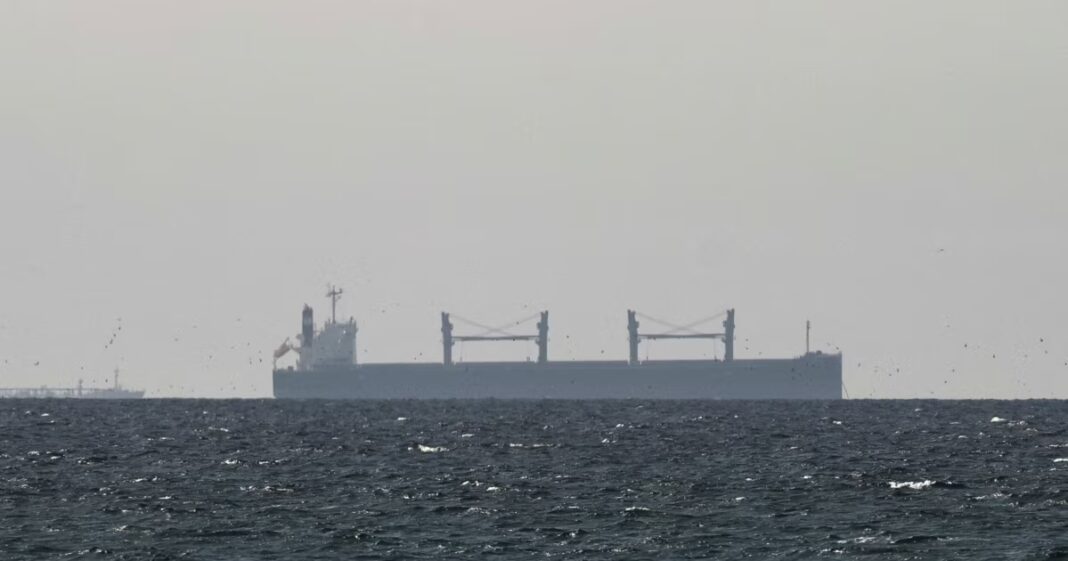

In the Strait of Hormuz, one of the most important maritime routes for the transport of energy resources, there has been an unexpected drop in shipping activity. On 15 September, only four vessels passed through the strait — almost half the number recorded a week earlier, and significantly below the average of 18 vessels over the past ten days.
Particularly noteworthy is the absence on that day of supertankers carrying crude oil and tankers transporting liquefied natural gas. This raises questions about possible changes to shipping routes and strategies, although it is worth bearing in mind that some vessels may be travelling with their transponders switched off to conceal their location.
Of the four vessels recorded, three chose the so-called ‘Iranian route’ via the Northern Corridor, which passes through waters controlled by Iran. Tehran is actively promoting this route as the official one. The fourth vessel followed an unknown ‘shadow’ route, adding an element of mystery to the situation.
The Strait of Hormuz, linking the oil-rich countries of the Persian Gulf to the open seas, has always been in the spotlight, particularly in the context of geopolitical tensions. Any change in shipping patterns could have far-reaching consequences for the global economy and the energy sector. Many questions remain: will this decline become a trend or merely a temporary phenomenon?